
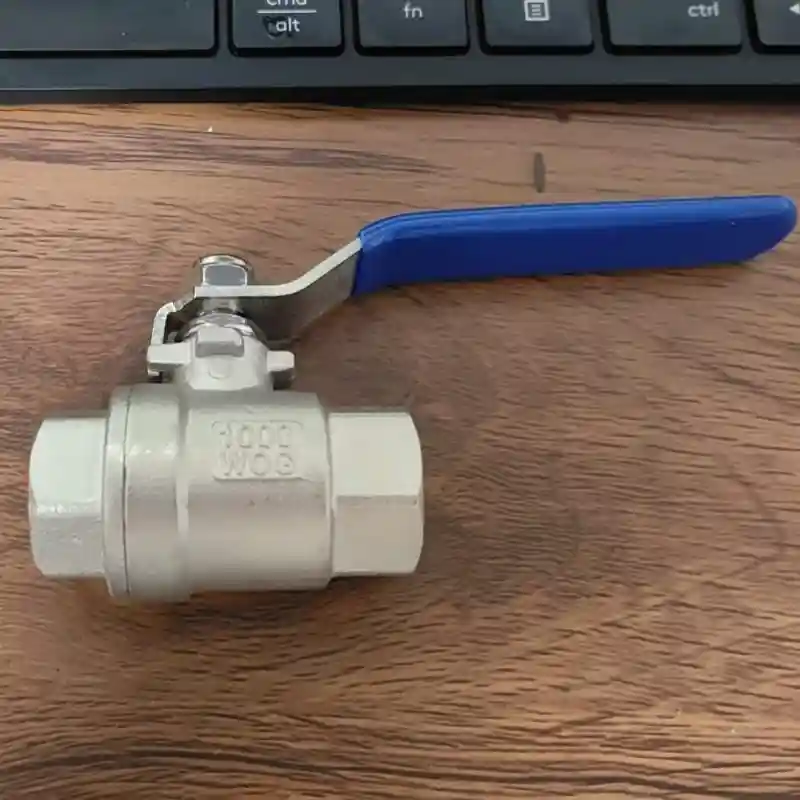
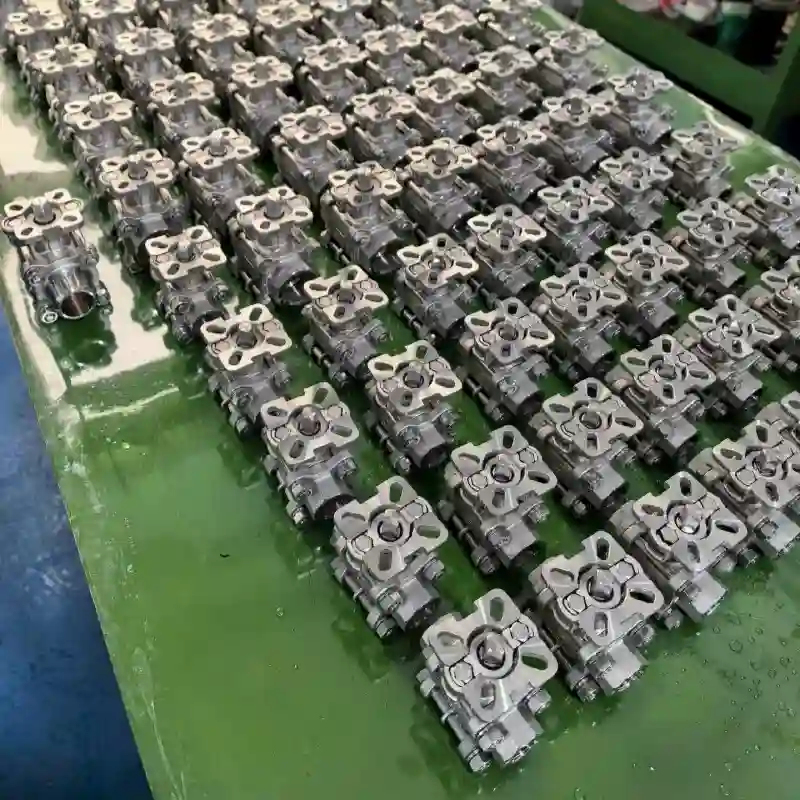
3-Piece Stainless Steel Ball Valve – Sanitary Design for Food/Pharma
Three-piece stainless steel ball valve with 304/316L body, Ra≤0.8μm polished bore, and tri-clamp/flanged ends for sanitary, corrosion-resistant applications.
Description
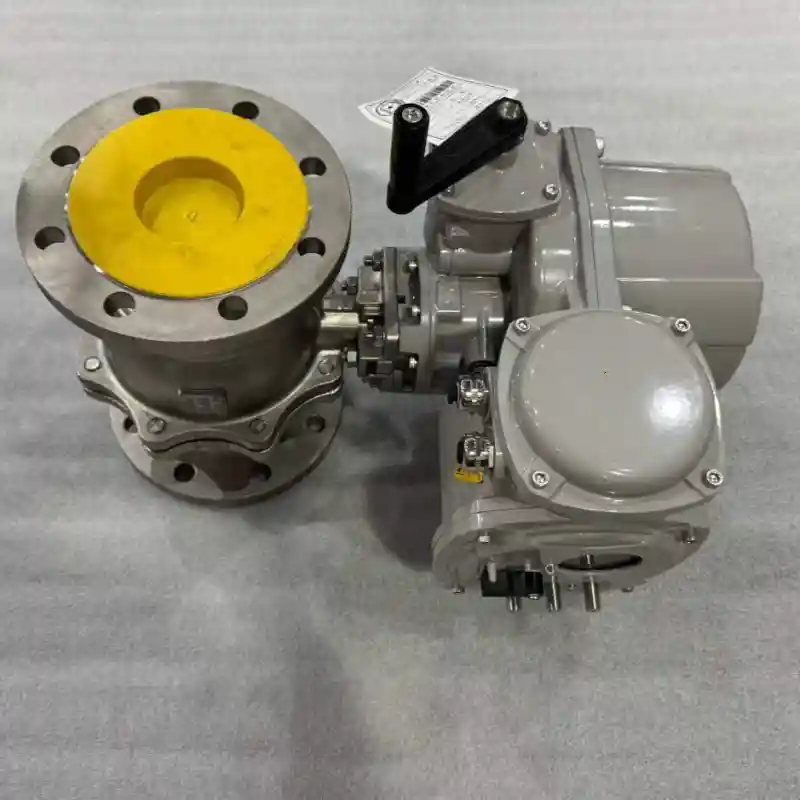
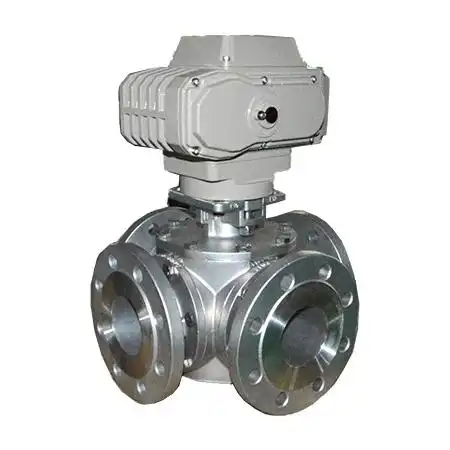
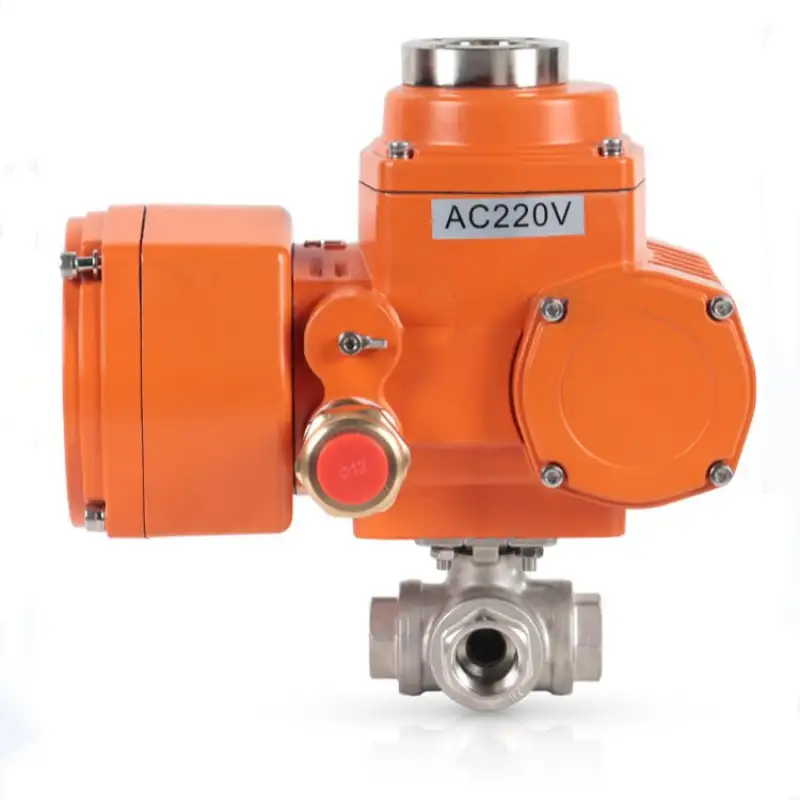
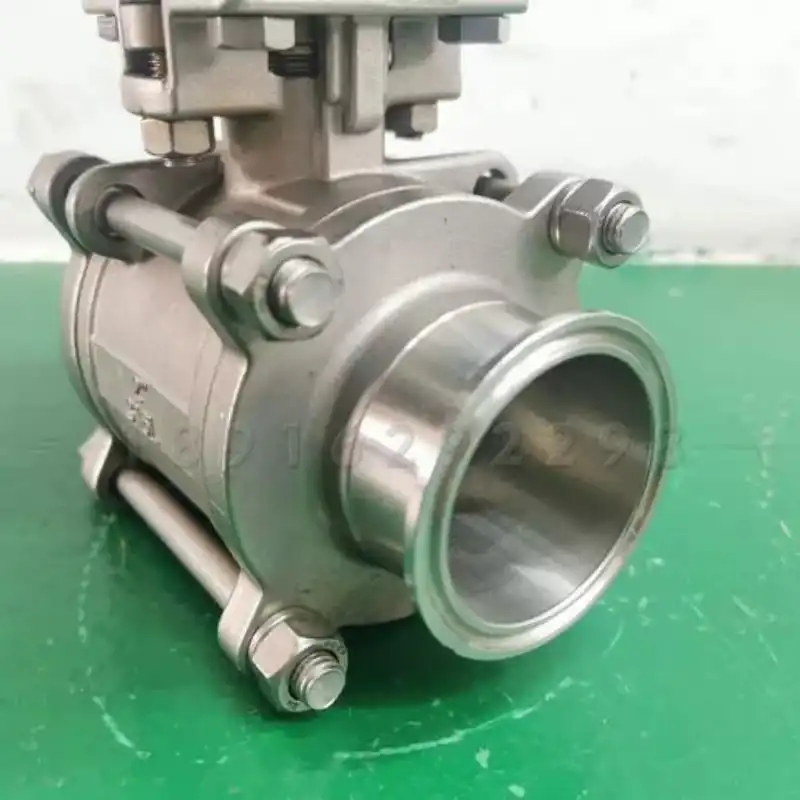
A three‑piece stainless steel ball valve is assembled from three standalone segments: left‑body, middle‑body and right‑body, securely clamped together with high‑strength bolts.
End connections are available in multiple configurations including Tri‑Clamp, flange, threaded and butt‑weld ends. The ball and seats are housed within the middle‑body cavity. A stem drives the ball to rotate through 90°, realizing media shut‑off and flow conduction.
Manufactured from 304 / 316L stainless steel, the valve delivers outstanding corrosion resistance against acid‑alkali fluids, food‑grade feeds and high‑purity process media. Its three‑piece layout permits technicians to pull out the middle‑body assembly for ball and seat replacement without removing the whole valve from piping, enabling efficient in‑line servicing for sanitary process systems.
Material and Specification
| Parameter | Specification Range |
|---|---|
| Valve Body | SS304 (ASTM A351 CF8) / SS304L / SS316 (CF8M) / SS316L (CF3M) |
| Ball | SS304 / SS316L |
| Stem | SS304 / SS316L / 17‑4PH |
| Seat | PTFE / RPTFE / TFM / PEEK |
| Nominal Size | DN15 ~ DN200 (1/2“ ~ 8”) |
| Pressure Class | Class 150 / 300 / 600 |
| End Connection | Tri‑Clamp (ISO 2852) / Flange (ASME B16.5 / EN 1092‑1) / Thread (NPT/BSPT) / Butt‑weld |
| Internal Surface Finish | Mechanically polished Ra ≤ 0.8 μm (food‑grade) / Electropolished Ra ≤ 0.4 μm (pharmaceutical‑grade) |
| Body Design | Floating type |
| Face‑to‑Face Standard | ASME B16.10 / Manufacturer’s standard |
| Operating Temperature | ‑20 ℃ ~ 180 ℃ (PTFE seat) / ‑20 ℃ ~ 250 ℃ (PEEK seat) |
| CIP/SIP Compatibility | Suitable for CIP (80‑100 ℃) and SIP steam sterilization (121‑135 ℃) |
| Actuator Mounting Pad | ISO 5211 direct‑mount platform (optional) |
| Material Certificate | EN 10204 3.1 (available upon request) |
Structural Features: Corrosion Resistance and Sanitary Performance
The dual‑strength attributes of three‑piece stainless steel ball valves — corrosion resistance and sanitary performance — stem from well‑selected alloys and precision surface finishing.
Corrosion‑resistant properties of SS304 / 316L: Stainless steel contains a minimum of 18 % chromium (Cr). When exposed to oxidizing environments, a compact chromium‑rich passive film spontaneously forms on the metal surface to block further substrate degradation.
With additional molybdenum (Mo ≥ 2.5 %), 316L greatly enhances resistance to chloride‑induced pitting and crevice corrosion, making it well‑suited for salt‑containing streams and pharmaceutical water loops. For weakly acidic media widely seen in food and beverage production (fruit juice pH 3.5‑4.5, coffee extract pH 4.5‑5.0, whey protein pH 5.5‑6.5), SS304 provides sufficient durability for long‑term service.
Internal surface polishing: Mechanical or electrolytic polishing brings internal surface roughness down to Ra ≤ 0.8 μm for food‑grade service or Ra ≤ 0.4 μm for pharmaceutical applications. Polished surfaces eliminate micro‑protrusions and machining tool marks. This reduces media adhesion so residues are readily washed away during CIP cycles. Meanwhile, micro‑anchoring points for microbial attachment are removed, lowering biofilm formation risks.
Sanitary merits of Tri‑Clamp connections: Tri‑Clamp joints feature thread‑free, gap‑free crevice‑free bore transitions. Unlike threaded joints, they require no PTFE tape or thread sealant. Compared with flanged connections, Tri‑Clamp configurations avoid product trapping inside flange gasket grooves.
Maintenance‑oriented sanitation of three‑piece construction: Operators can extract the middle‑body unit for seat inspection or renewal without loosening Tri‑Clamp ferrules. This minimizes repeated compression‑relaxation cycles on clamp gaskets, preserving gasket service life and sealing integrity.
Application Scenarios
Three‑piece stainless steel ball valves are widely adopted in sanitary and corrosion‑resistant process piping:
‑ Food & beverage: Transfer lines for dairy products, fruit juice, beer, coffee extracts, edible oil and syrup.
‑ Pharmaceutical & biotechnology: Piping for Water for Injection, purified water, sterile active pharmaceutical ingredients, buffer solutions and cell culture media.
‑ Fine chemicals: Process lines for flavours & fragrances, surfactants and cosmetic emulsions.
‑ Biochemical fermentation: Pipelines for amino acids, enzyme preparations and probiotic fermentation outputs.
‑ High‑purity water treatment: Delivery piping for RO permeate and EDI treated water.
Field Application Case
At Nestlé Philippines Inc., Batangas Factory (Barangay San Miguel, Tanauan City, Batangas 4232, Philippines), SS304 three‑piece Tri‑Clamp ball valves serve as isolation and diversion components on instant‑coffee extract transfer lines. Valve sizes range from 1” to 2”, with mechanically polished internal surfaces (Ra ≤ 0.8 μm), PTFE seats and Tri‑Clamp end connections.
This facility implements multi‑stage counter‑current extraction on roasted coffee beans to dissolve soluble solids. The extracted liquid runs at 80 ℃‑95 ℃ with a pH of 4.5‑5.0, containing chlorogenic acid, caffeic acid, tannins and coffee oils. After each production run, pipelines undergo standardized CIP sequences including NaOH circulation, hot‑water flushing and citric‑acid neutralization.
Both corrosion‑resistant and sanitary strengths of 3 piece ball valves stainless steel are proven under these operating conditions. In terms of corrosion performance, weak organic acids within coffee extract corrode ordinary carbon steel, yet the native passive film on SS304 withstands such chemical attack. No pitting or surface discoloration has been observed throughout continuous production. Valve wetted surfaces remain metallically bright even under prolonged exposure to 95 ℃ hot extract.
From a sanitary perspective, coffee extract carries sugars, proteins and oils that tend to leave process residues. Thanks to Ra ≤ 0.8 μm polished bores together with crevice‑free Tri‑Clamp joints, CIP fluids fully scour every wetted surface. Nestlé’s quality‑control team conducts endoscopic inspections during CIP validation; no coffee deposits are detected around Tri‑Clamp interfaces or ball sealing surfaces. ATP test readings consistently satisfy Nestlé global food‑safety thresholds for food‑contact surfaces.
Complete CIP cycles are achieved within scheduled durations, eliminating cross‑flavor contamination between production batches caused by residual material trapped inside valve cavities. For routine servicing, the three‑piece design enables middle‑body extraction for seat inspection and replacement without disturbing Tri‑Clamp assemblies. PTFE seat overhaul cycles align with the plant’s annual shutdown schedule, supporting stable long‑run production.