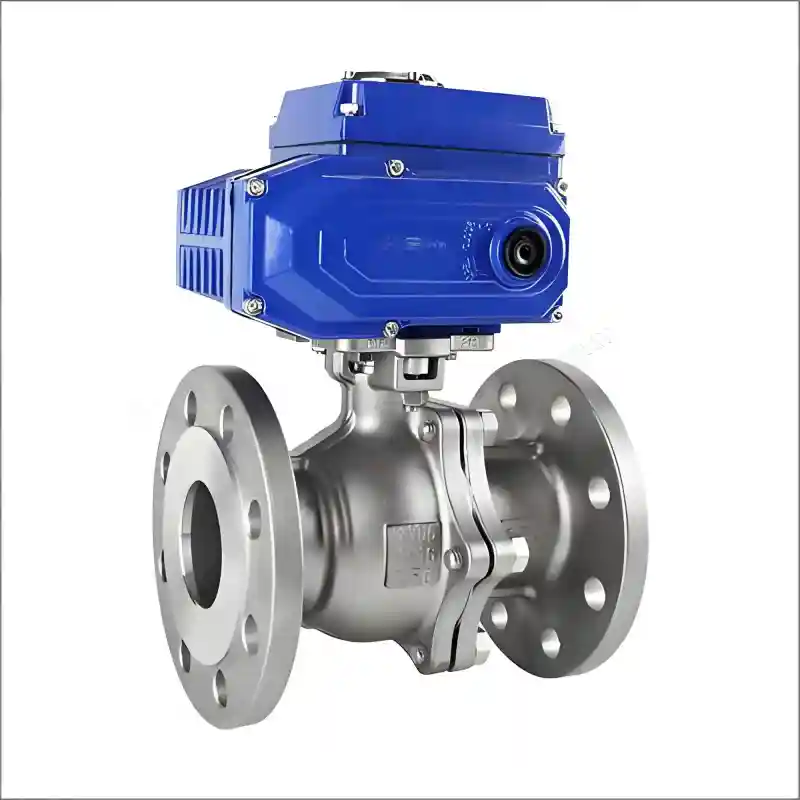

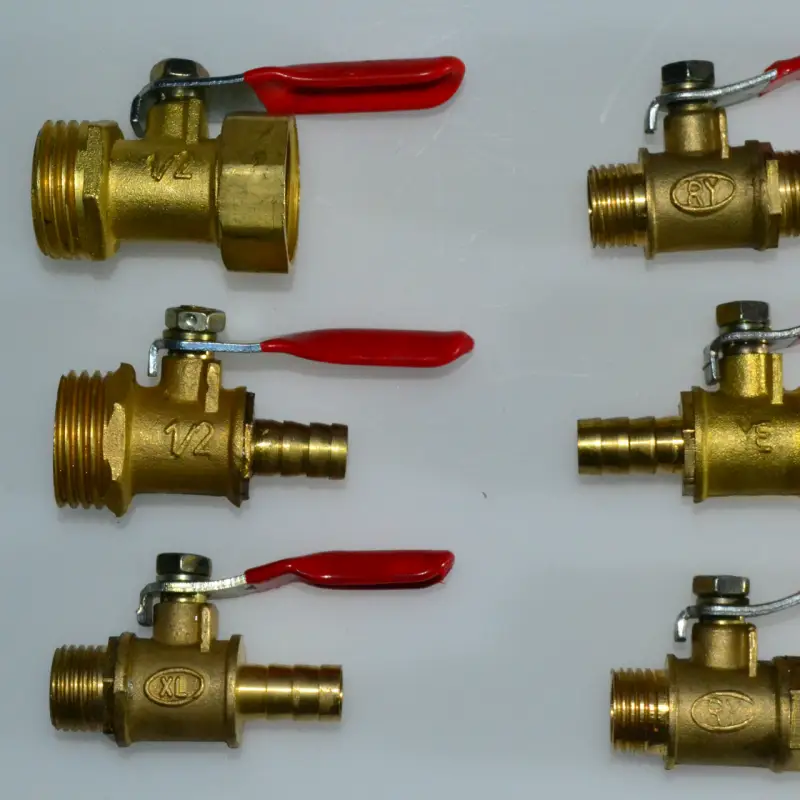
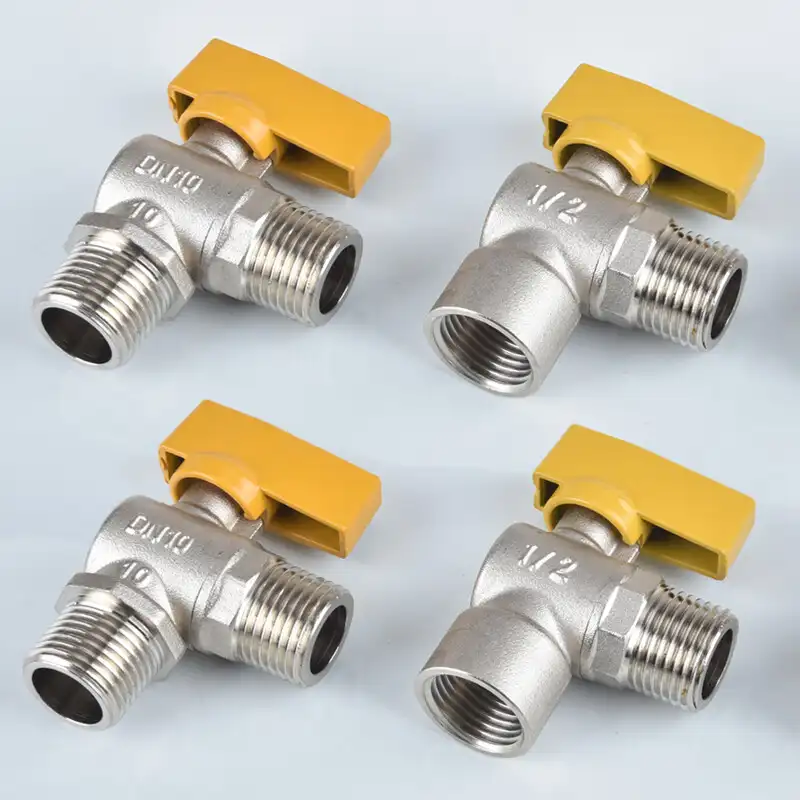
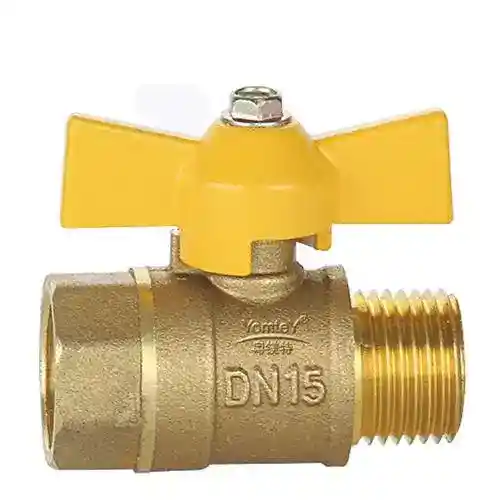
Brass Ball Valve for Natural Gas – AGA/CSA Certified with Anti-Static
Shop brass ball valve for natural gas with anti-static device & gas-grade PTFE seals. AGA/CSA certified for safe gas shutoff. Ideal for gas lines, appliances & commercial kitchens.
Description
Within natural‑gas transmission and utilization systems including residential gas service entrances, commercial‑kitchen fuel supply lines, industrial burner piping and gas pressure regulating stations, the brass ball valve for natural gas delivers critical safety‑related functions for media shut‑off and system isolation. Unlike valves deployed within water‑service piping networks, gas‑line valves must satisfy far stricter specifications covering sealing integrity, anti‑static protection and material gas‑compatibility.
Anti‑static Device: Safety Assurance for Combustible‑Gas Transfer
High‑velocity natural‑gas flow inside pipelines generates static electric charges through friction between gas molecules, pipe walls and internal valve components. If static buildup cannot dissipate reliably to grounding infrastructure, electric sparks may arise at valve sealing interfaces or pipe joints, which can ignite gas mixtures and trigger severe safety incidents.
This valve comes factory‑fitted with a standard Anti‑static Device. A built‑in conductive spring establishes tight electrical contact between ball and stem, as well as between stem and valve body. It forms a continuous conductive path: ball → stem → valve body → pipeline system. This electrical conduction path remains intact whether the valve sits at fully‑open, fully‑closed or any intermediate stroke position, safely diverting internally accumulated static charges toward system grounding networks. The design complies with international fire‑safe and anti‑static standards API 607 and ISO 10497, constituting one prerequisite for AGA/CSA certification.
Gas‑grade Sealing: Molecular‑level Seal Performance for Gaseous Media
Methane, the primary constituent of natural gas, features tiny molecular dimensions and strong permeability. It imposes much higher requirements on sealing‑material density and anti‑permeation performance compared with liquid‑water service. Generic sealing materials for water‑application valves, such as general‑purpose PTFE, may allow trace gas‑molecule penetration after long‑term natural‑gas exposure. Such valves could pass water‑based leak tests yet still fail gas‑service regulatory requirements.
Brass natural‑gas ball valves adopt a dedicated Gas‑grade Sealing system. Seats are manufactured from gas‑spec reinforced PTFE. Its optimized formulation and enhanced crystallinity reduce gas‑molecule penetration at the micro‑structural level. FKM (Viton) stem O‑rings sustain outstanding elasticity and sealing stress across the broad natural‑gas operating temperature window of ‑20 °F to 250 °F. The elastomer resists chemical degradation induced by sulfur‑bearing gas constituents and avoids dramatic hardness shifts that would compromise sealing under temperature swings.
The complete sealing assembly has undergone compatibility validation for natural‑gas service and complies with ANSI Z21.15/CSA 3.9. Every unit undergoes 100 % pneumatic leak testing under 1.5× working‑pressure hold condition, delivering leak‑rate performance exceeding ANSI/FCI 70‑2 Class VI criteria.
Operational & Installation Features
‑ Fast‑acting shut‑off: Built as a 1/4 turn brass ball valve, 90‑degree handle rotation achieves full‑open or full‑closed status, supporting instant isolation during gas‑leak emergencies. ‑ Lock‑out capability: Optional locking gas ball valve handle‑locking hardware prevents unauthorized valve manipulation. ‑ Stem extension accessory: Suited for wall‑recessed or insulation‑layer‑buried installations; the operating end can extend outward for accessible manual operation.
Specification Table
| Item | Specification |
|---|---|
| Compatible Media | Natural Gas, Liquefied Petroleum Gas (LPG / Propane) |
| Sizes | 1/2″, 3/4″, 1″ |
| End Connections | NPT Female Thread, BSP Female Thread |
| Pressure Rating | 600 WOG / 150 WSP (gas‑service conditions) |
| Anti‑static Device | Standard (API 607 compliant) |
| Fire‑safe Construction | Optional (API 607 / ISO 10497 compliant) |
| Operating Temperature | ‑20 °F to 250 °F |
| Body Material | Forged Brass |
| Seat Seal | Gas‑grade Reinforced PTFE |
| Stem Seal | FKM (Viton) |
| Handle | Galvanized‑steel handle, 1/4‑turn operation with memory stop |
| Certifications | AGA/CSA 3.9, ANSI Z21.15 |
Typical Application Scenarios
‑ Main shut‑off valves for residential gas service entry; branch‑line isolation for gas‑fired appliances including water heaters, gas stoves, fireplaces and gas dryers
‑ Fuel‑supply line regulation for gas‑powered commercial kitchen equipment
‑ Supply‑circuit isolation for industrial gas burners, hot‑air furnaces and drying machinery
‑ Pipeline bypass and isolation within gas pressure‑regulating and metering stations
‑ Branch‑line shut‑down and emergency isolation for gas generator sets
Field Project Reference
This gas‑system retrofit was completed for the dining precinct within Maple Leaf Square mixed‑use complex in Toronto, Canada. The food‑service zone hosts twelve independent restaurants and food‑court kiosks, all running commercial natural‑gas equipment such as gas cooktops, deep fryers, gas‑fired ovens and steamers. Dense gas‑piping networks run through back‑of‑house areas. Each tenant’s appliance branch requires independent shut‑off valves for safe isolation during tenant fit‑out & vacation cycles, equipment maintenance, and emergency scenarios.
Project gas‑system specifications mandated valves satisfy two core criteria: integrated anti‑static hardware and gas‑grade sealing performance. All components needed to pass technical review by Canada’s Technical Standards and Safety Authority (TSSA). The dining precinct deployed CHCV‑supplied brass ball valve for natural gas, fitted with anti‑static assemblies and gas‑specific PTFE / FKM sealing packages. Sizes cover 1/2‑inch for appliance branches and 3/4‑inch for main sub‑mains. Post‑installation pneumatic leak testing executed by TSSA‑authorized third‑party inspectors registered zero leakage across all valves, securing one‑shot project acceptance.
Periodic safety‑inspection reports accumulated over two‑year complex operation document zero methane leakage detected on closed‑state tenant valves, with sealing performance remaining stable. Annual continuity‑resistance tests verify anti‑static assemblies consistently meet applicable standard thresholds. In the facility‑management annual report, the property engineering director cited this natural‑gas valve system as “a benchmark for site‑safety management”.