Description
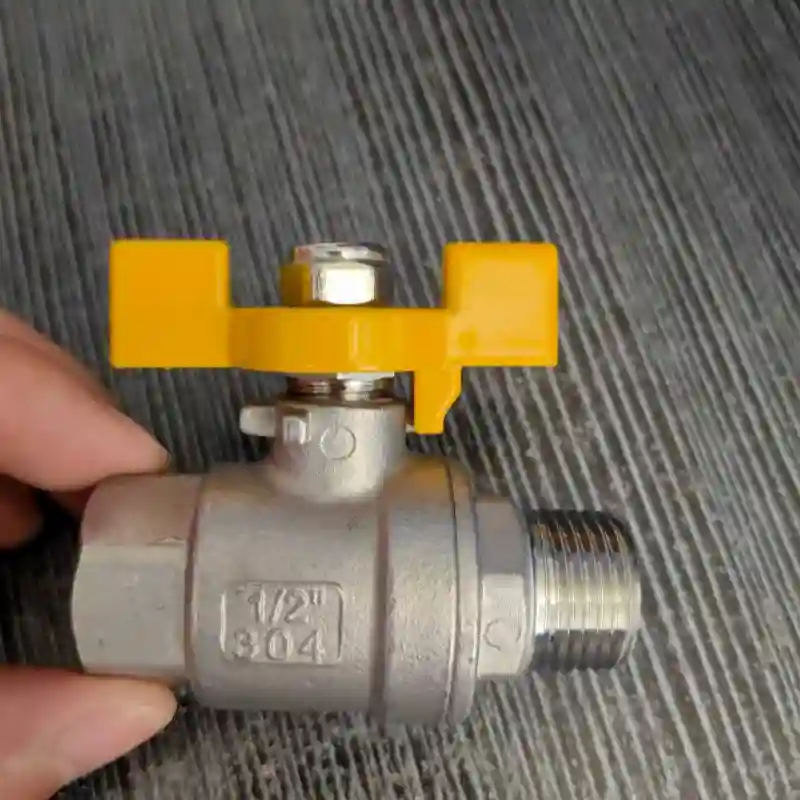
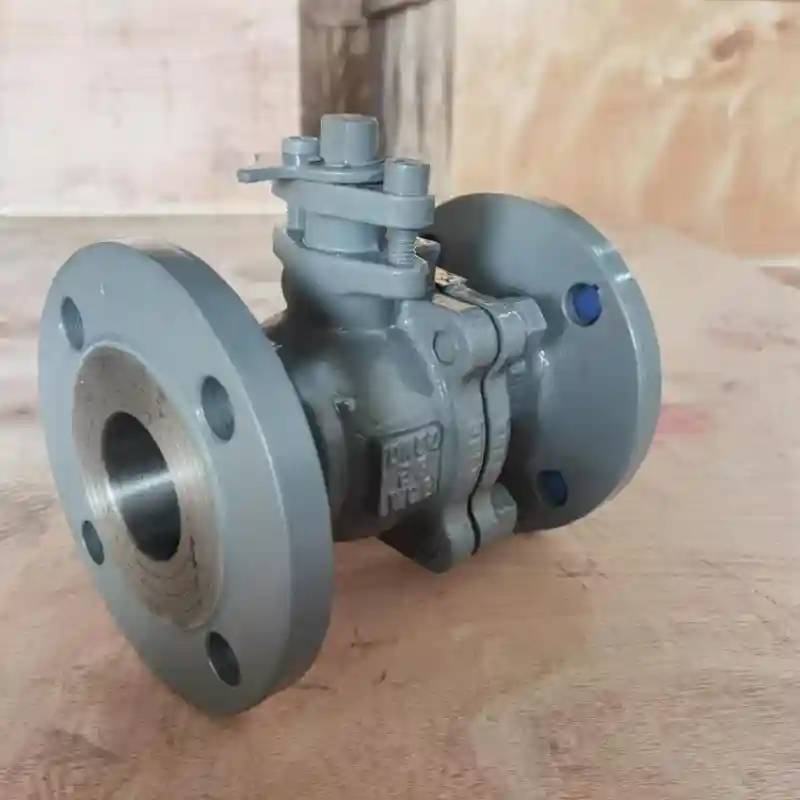
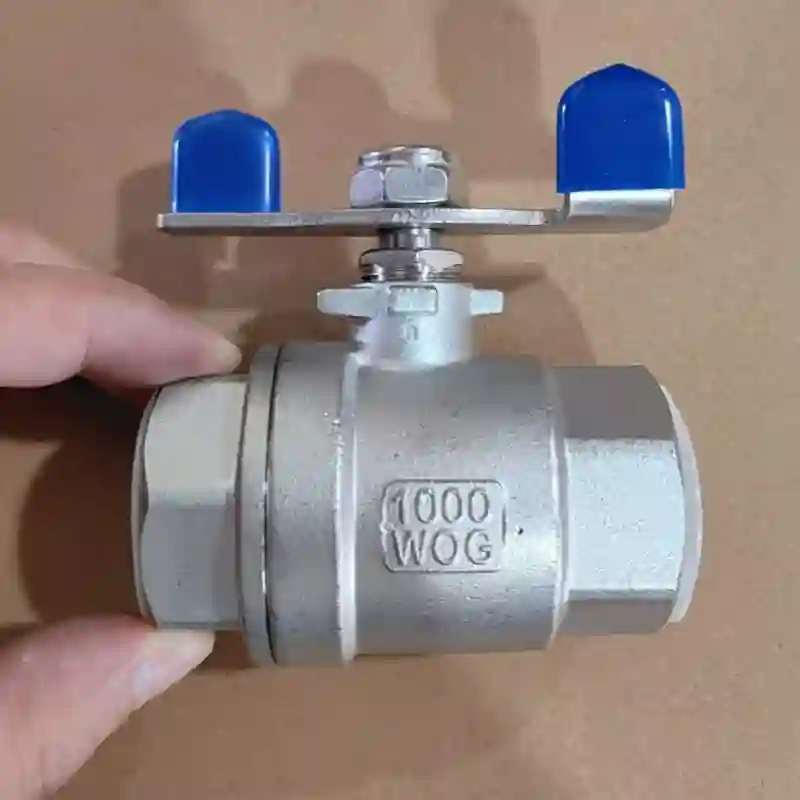
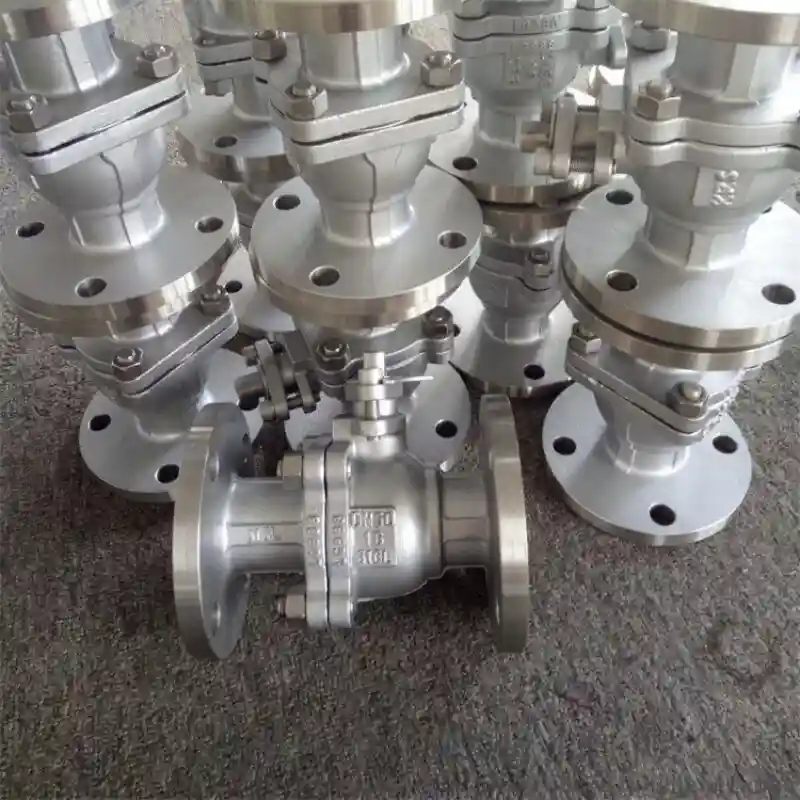
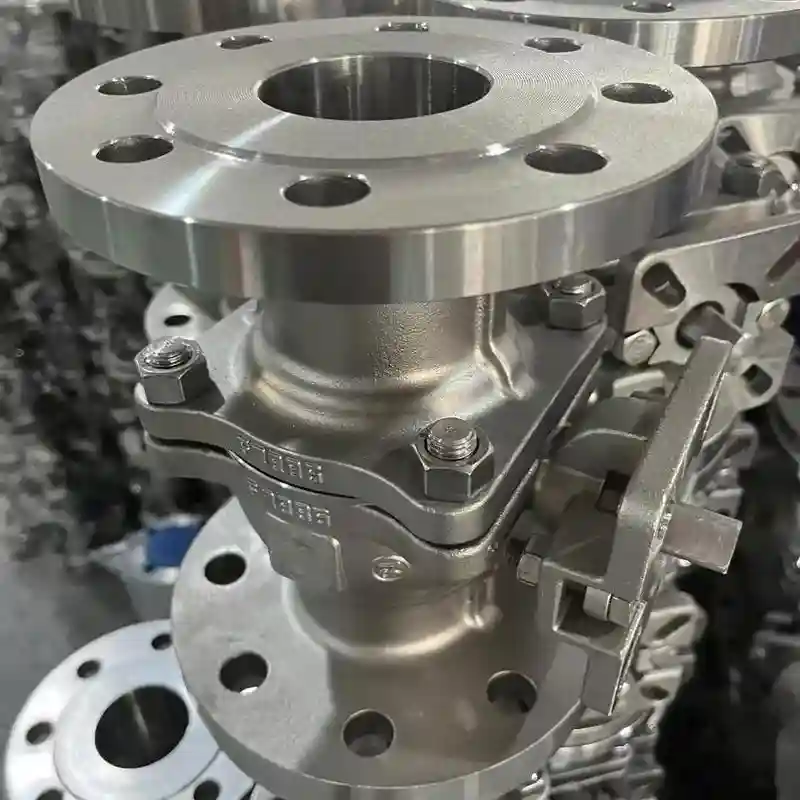
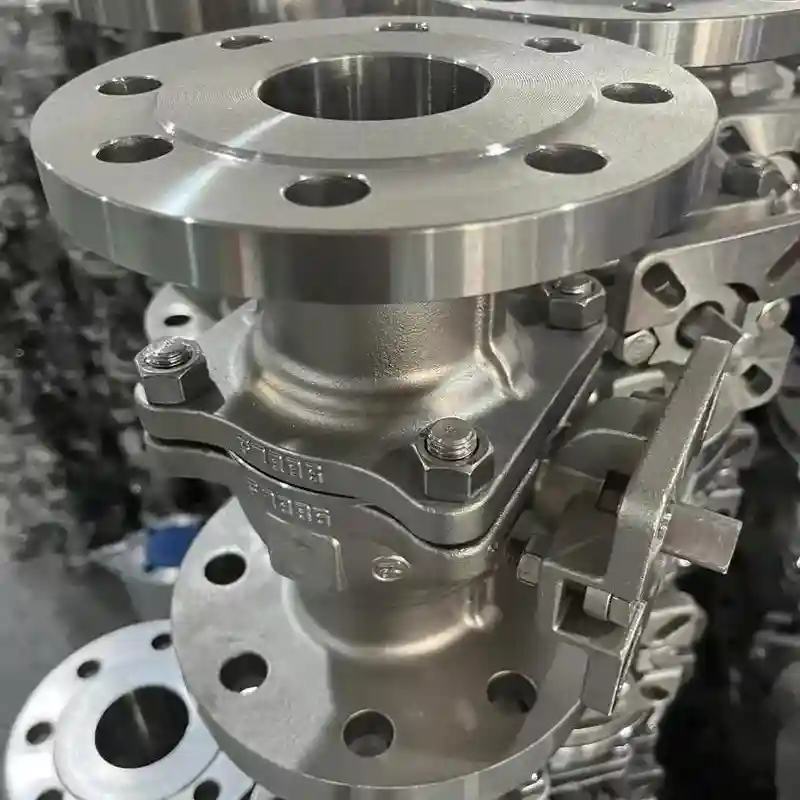
Carbon Steel Socket Weld Ball Valve is a forged‑steel ball valve with socket‑weld ends on both body sides. Pipes are inserted into valve sockets and secured by fillet welds to form permanent metallic joints. The primary body material is ASTM A105 forged steel, covering pressure classes Class 800‑2500 and nominal sizes DN6‑DN50 (1/8″‑2″). This product serves as reliable shut‑off and isolation hardware for small‑bore piping carrying high‑pressure steam,
high‑temperature oil products, hydrogen‑containing media and pressurised gas in refining, chemical, power‑generation and natural‑gas facilities.
II. Structural Principle for Leakage Mitigation
The core leakage‑reduction advantage of carbon steel socket weld ball valves originates from their socket‑weld end configuration. Unlike threaded ball valves, socket‑weld ends contain no threaded clearance gaps and suffer no seal‑tape ageing risks. Threaded joints rely on sealant or PTFE tape to fill thread clearances; under thermal cycling and pipeline vibration, sealing compounds degrade gradually and potential leak paths develop. Socket‑weld construction fuses pipe outer surfaces and socket inner bores into one integrated assembly via fillet welds, achieving full metallurgical bonding and eliminating leak‑prone interfaces by design.
For a typical Class 1500, 1‑inch socket‑weld ball valve, the stuffing‑box packing gland represents the only theoretical potential leak point along the pipeline. Its body is a monolithic forging without centre‑flange bolted connections. By comparison, an equivalent‑size threaded ball valve introduces two extra threaded joints as additional potential leak sources.
III. Material Selection & Design Standards
ASTM A105 forged steel constitutes the standard body material, rated for −29 °C‑425 °C. A350 LF2 is specified for low‑temperature service down to −46 °C, while A182 F22 Cr‑Mo alloy steel suits high‑temperature duties up to 540 °C. Balls are made from AISI 304 or 316 stainless steel. Seat sealing options include PTFE (−29 °C‑150 °C), RPTFE (−29 °C‑180 °C) and PPL (−29 °C‑260 °C); metal‑to‑metal hard seats are available for elevated‑temperature applications.
Socket dimensions comply with ASME B16.11, governing socket bore diameter, pipe insertion depth and minimum fillet‑weld leg size. Valves adopt anti‑blow‑out stem geometry and API 608‑compliant anti‑static features. API 607 / API 6FA fire‑safe qualification is offered as an optional upgrade. Every finished unit undergoes hydrostatic shell testing at 1.5 times rated pressure with minimum 30‑second hold‑time, alongside low‑pressure pneumatic seat‑leakage testing at 0.6 MPa compressed air held for no less than 10 seconds to guarantee leak‑tight delivery.
IV. Leak‑Prevention Performance of Welded Ends
This is demonstrated in the high‑pressure nitrogen distribution‑piping modification project at Formosa Petrochemical’s Mailiao plant. Eighteen new gas supply tapping points were added to an 8 MPa nitrogen network with pipe sizes 1″‑1‑1/2″. Evaluation of
flanged ball‑valve solutions revealed that each additional flanged joint would demand independent bolt‑torque control workflows and gasket replacement records, raising operational complexity and multiplying potential leak sources.
The selected socket‑weld ball‑valve solution removes all flanged interfaces and gaskets. Every joint across this high‑pressure nitrogen circuit consists of permanent welded connections. These eighteen socket weld ball valve units have accumulated over 20 months of continuous runtime with zero documented leakage incidents and no abnormal nitrogen‑gas‑detector alarms. Plant maintenance logs show monthly work‑orders triggered by threaded‑joint or flange‑joint leakage dropped from an average of 1.5 entries to zero after modification.
V. Technical Specification Sheet
| Parameter |
Specification Range |
| Nominal Size |
DN6 ~ DN50 (1/8″ ~ 2″) |
| Pressure Class |
Class 800 / 1500 / 2500 |
| Body Material |
ASTM A105 / A350 LF2 (low‑temperature) / A182 F22 (high‑temperature) |
| Ball Material |
AISI 304 / 316 Stainless Steel |
| Seat Material |
PTFE / RPTFE / PPL / Metal‑to‑Metal Hard‑Seat |
| Weld‑End Standard |
ASME B16.11 (Socket Weld) |
| Body Construction |
2‑piece / 3‑piece |
| Fire‑Safe Compliance |
API 607 / API 6FA (optional) |
| Anti‑Static Feature |
API 608 anti‑static assembly |
| Design Code |
ASME B16.34 |
| Operating Temperature |
−46 °C ~ +540 °C (material‑dependent) |
| Process Media |
High‑pressure steam, hydrogen, nitrogen, hydrocarbons, hot thermal oil |
VI. Sourcing & Installation Guidelines
Key considerations when specifying carbon steel socket weld ball valves are listed below:
Verify that clearance between pipe outer diameter and valve‑socket inner bore falls within ASME B16.11‑specified tolerance bands. Keep valves in fully‑open position throughout welding operations, preventing heat conduction from damaging PTFE seats. Do not actuate the valve until the forging cools fully to ambient temperature upon weld completion. Ensure fillet‑weld leg height measures no less than 1.4 times pipe wall thickness. Post‑weld non‑destructive examination via Liquid Penetrant testing (PT) or Magnetic Particle testing (MT) is recommended to identify weld defects such as cracks and porosity.