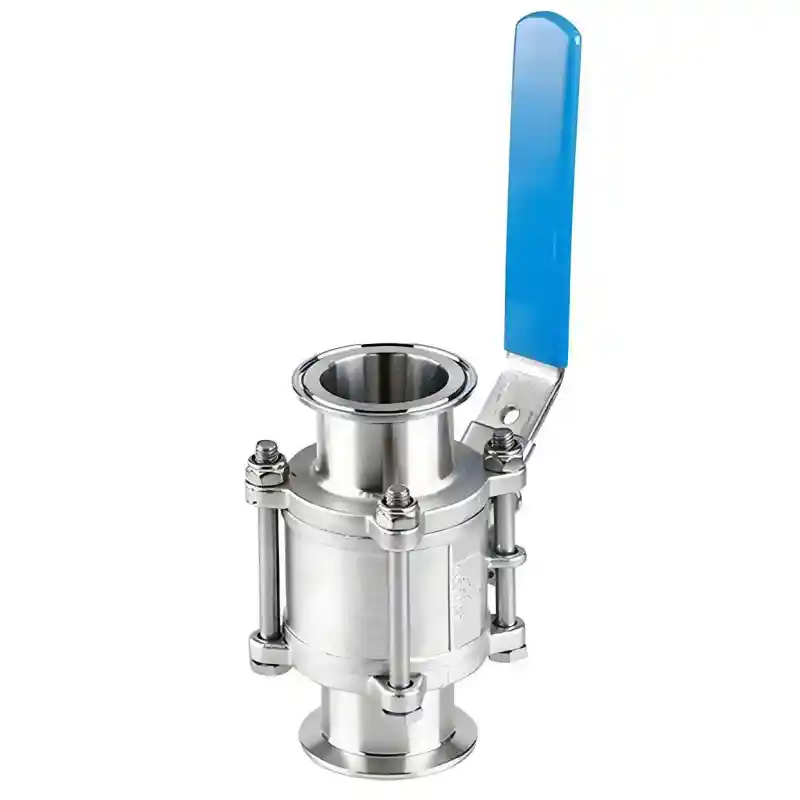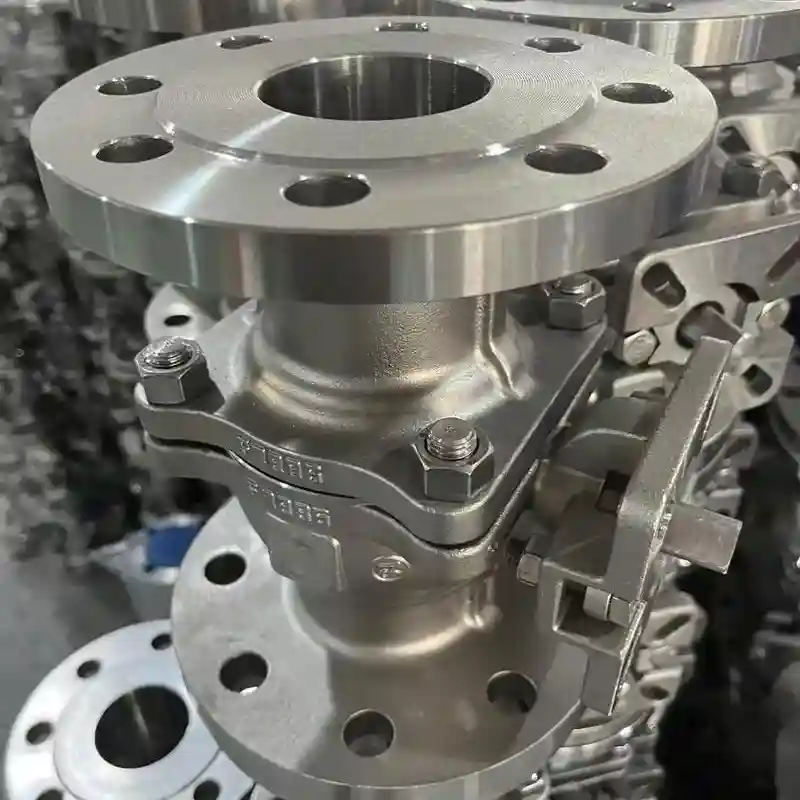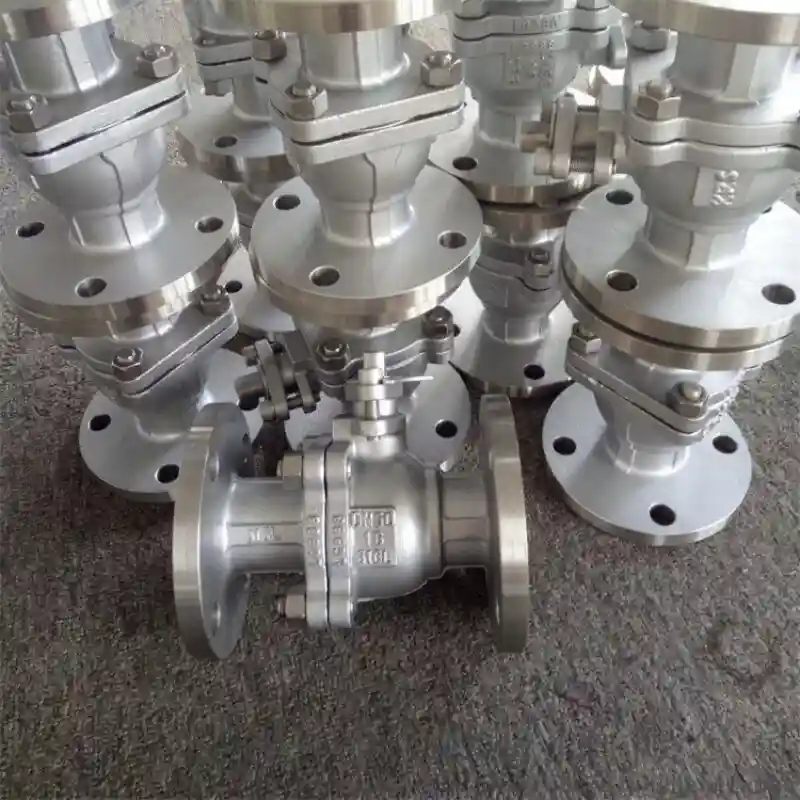

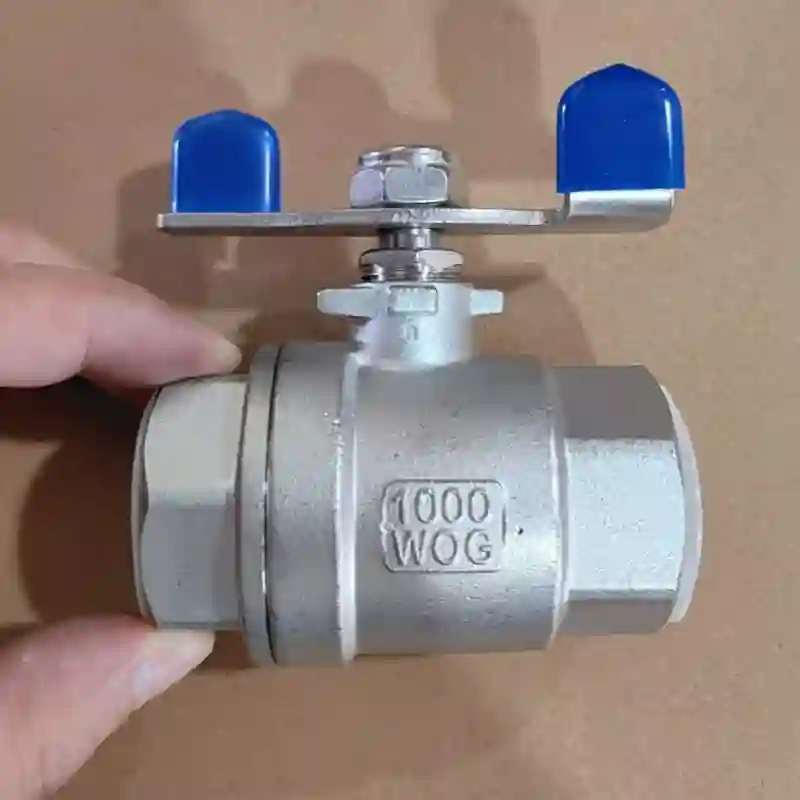
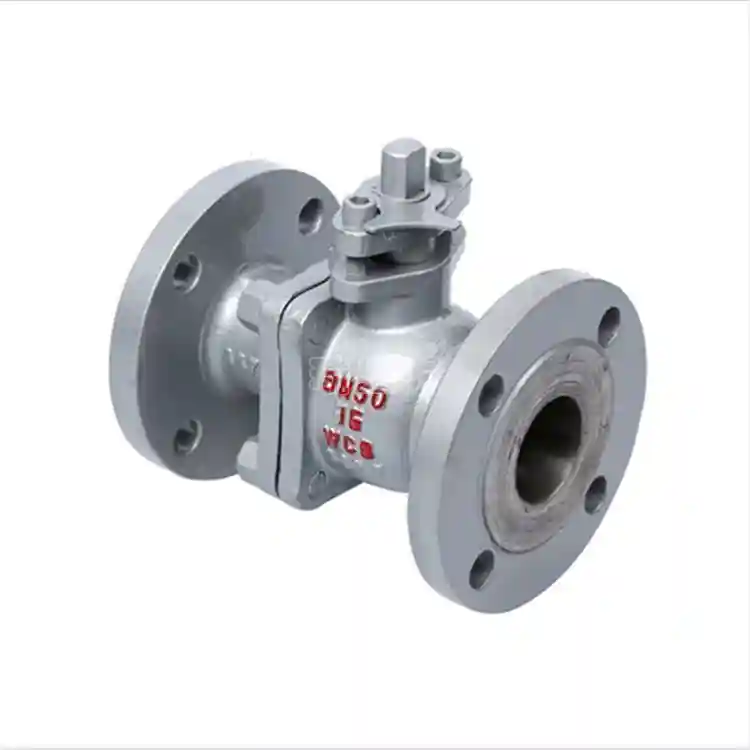
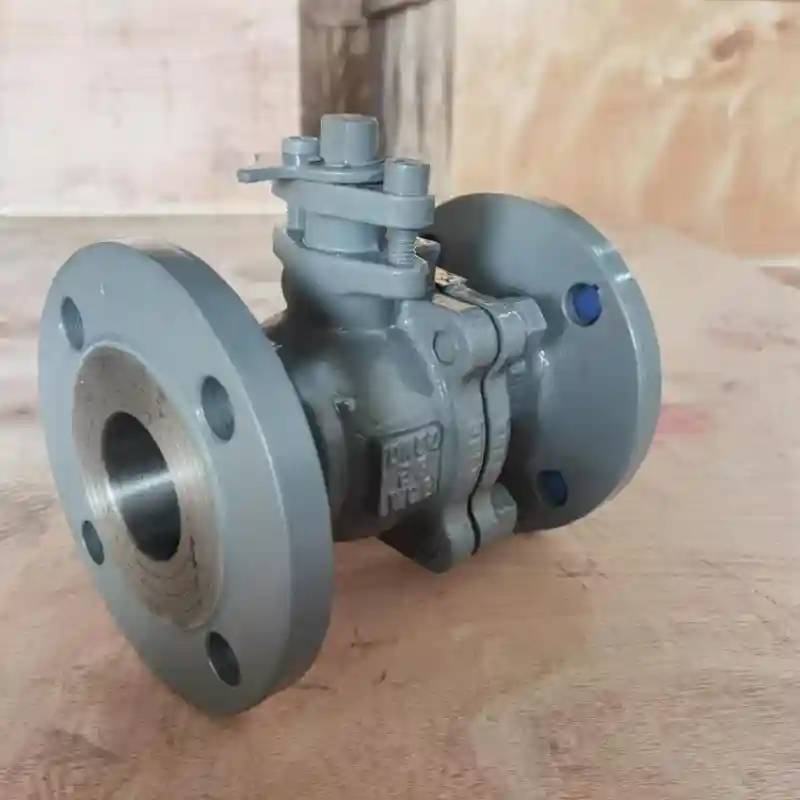
Low Temperature Carbon Steel Ball Valve – A350 LF2, -46°C
Low temperature carbon steel ball valve with A350 LF2 body, -46°C rated, extended bonnet, Class 150-1500. For LNG, ethylene, and cold region pipelines.
Description
Low Temperature Carbon Steel Ball Valves are forged‑steel or cast‑steel ball valves engineered specifically for sub‑zero operating conditions. Primary body grades include ASTM A350 LF2 for forgings and ASTM A352 LCB/LCC for castings. Minimum service temperatures reach −46 °C for LF2/LCB and −51 °C for LCC. Pressure classes range from Class 150 to Class 1500, with nominal sizes covering DN15‑DN600 (1/2″‑24″). Widely deployed within LNG receiving terminals, natural‑gas liquefaction plants, ethylene complexes, air‑separation units, industrial refrigeration systems and cold‑region oil‑and‑gas surface facilities, these valves deliver dependable shut‑off and isolation for cryogenic‑media piping.
II. Core Design Principles for Low‑Temperature Service
Carbon steel undergoes ductile‑to‑brittle transition at low temperatures, shifting from ductile fracture behaviour to brittle failure with sharp drop‑off in impact energy across a narrow temperature band. Conventional carbon‑steel grades such as A105/WCB typically feature ductile‑brittle transition temperatures between −10 °C and −20 °C, exposing equipment to brittle‑fracture risks below −29 °C.
Low‑temperature carbon‑steel grades suppress this transition down to below −46 °C via strict chemical‑composition control including reduced carbon equivalent and grain refinement, combined with normalized‑and‑tempered heat treatment. Under ASTM A350 specifications, LF2 material shall achieve an average Charpy V‑Notch impact energy of no less than 27 J for full‑size specimens tested at −46 °C, guaranteeing sufficient resistance against brittle fracture under cryogenic service.
Beyond base‑material performance, three structural features further enhance low‑temperature adaptability:
- Extended Bonnet: Lifts the stuffing box away from cryogenic media to maintain stuffing‑box temperature above 0 °C. This prevents packing hardening‑and‑failure and stem jamming caused by ice formation. Bonnet extension lengths are calculated according to process temperature and nominal size, generally falling between 150 mm and 300 mm.
- Anti‑static construction: Static charge tends to accumulate when dry cold gases such as LNG boil‑off gas flow through the valve. Anti‑static spring assemblies fitted between stem and ball safely dissipate static electricity.
- Automatic cavity pressure relief: Trapped cryogenic liquid inside enclosed valve cavities may vaporise and induce abrupt pressure rise upon heat ingress. Seat geometry incorporates automatic pressure‑relief functionality, opening relief passages when cavity pressure exceeds upstream pressure by a factor of 1.33.
III. Material Selection & Design Standards
Valve bodies are supplied to ASTM A350 LF2 forged‑steel (−46 °C‑425 °C) or ASTM A352 LCB/LCC cast‑steel specifications; LCB for −46 °C service and LCC for −51 °C service. Balls are manufactured from AISI 304 or 316 stainless steel. Seat sealing options are cryogenic‑grade PTFE (−46 °C‑150 °C) or PCTFE (−196 °C‑150 °C). Metal‑to‑metal hard seats are available for low‑temperature streams carrying particulate matter. Extended bonnet dimensions follow MSS SP‑134. Valves comply with low‑temperature requirements laid out in ASME B16.34, and impact testing is performed per ASTM A370. Low‑temperature Charpy impact reports shall be furnished for each material batch. API 607 / 6FA fire‑safe features can be specified as an optional add‑on.
IV. Field‑Proven Performance under Cryogenic Conditions
A revamping project targeted high‑pressure shut‑off valves in the vaporisation zone of Sinopec Qingdao LNG Receiving Terminal. The high‑pressure export gas piping has a design pressure of 9.8 MPa, with minimum winter process temperature reaching −42 °C. Original DN50‑DN150 shut‑off valves were ordinary A105 carbon‑steel ball valves, which repeatedly exhibited abnormally high operating torque and minor stem‑packing seepage during winter operation.
During the 2018 turnaround, all 24 units were replaced with ASTM A350 LF2 low‑temperature carbon‑steel ball valves equipped with extended bonnets and cryogenic graphite packing. Since replacement, the system has completed more than three winter operating cycles. Even under ambient temperatures as low as −16 °C and process temperatures down to −42 °C, operating torque remains stable with zero recorded stem leakage.
Site engineers compared operational datasets before and after modification. Average operating torque of conventional A105 ball valves under cold conditions reached 2.3 times ambient‑temperature values, while LF2 low‑temperature ball valves only registered a 1.2‑times torque increase. This improvement stems from effective thermal isolation of the stuffing box by the extended bonnet together with superior cold‑shrinkage resistance of the low‑temperature alloy.
V. Technical Specification Sheet
| Parameter | Specification Range |
|---|---|
| Nominal Size | DN15 ~ DN600 (1/2″ ~ 24″) |
| Pressure Class | Class 150 / 300 / 600 / 900 / 1500 |
| Forged Body Material | ASTM A350 LF2 (−46 °C) |
| Cast Body Material | ASTM A352 LCB (−46 °C) / LCC (−51 °C) |
| Ball Material | AISI 304 / 316 Stainless Steel |
| Seat Material | Cryogenic‑grade PTFE / PCTFE / Metal‑to‑Metal Hard‑Seat |
| Extended Bonnet | MSS SP‑134 standard |
| Impact Test | ASTM A370, −46 °C, ≥27 J |
| Fire‑Safe Compliance | API 607 / API 6FA (optional) |
| Anti‑Static Feature | API 608 anti‑static assembly |
| Design Codes | ASME B16.34 / API 6D |
| Operating Temperature | −46 °C ~ +260 °C (seat‑material dependent) |
| Typical Media | LNG boil‑off gas, liquid ammonia, ethylene refrigerant, liquid nitrogen, cryogenic natural gas |
VI. Typical Application Scenarios
- High‑pressure export‑gas piping within vaporisation zones of LNG receiving terminals
- Refrigerant‑recovery and boil‑off‑gas circuits in natural‑gas liquefaction plants
- Low‑temperature process piping for quench‑and‑compression systems in ethylene units
- Inlet and outlet connections for liquid‑oxygen / liquid‑nitrogen / liquid‑argon storage tanks at air‑separation facilities
- Cold‑climate surface piping for arctic and frigid‑region oil‑and‑gas fields
- Cryogenic refrigerant circuits for large‑scale industrial refrigeration plants
- Storage‑and‑handling infrastructure for liquid carbon dioxide and liquid ammonia
VII. Key Selection Considerations
When specifying low‑temperature carbon‑steel ball valves, pay close attention to the following points:
Confirm both steady‑state minimum operating temperature and transient temperature spikes fall within material allowable limits (A350 LF2 / LCB down to −46 °C; A352 LCC down to −51 °C). Require vendors to supply batch‑specific low‑temperature Charpy impact test reports and verify specimen orientation, test temperature and absorbed‑energy values satisfy ASTM A350 requirements. Validate that extended‑bonnet length accommodates actual thermal‑insulation thickness. Check seat‑material hardness and sealing performance at minimum process temperature against stipulated leakage‑rate classes.