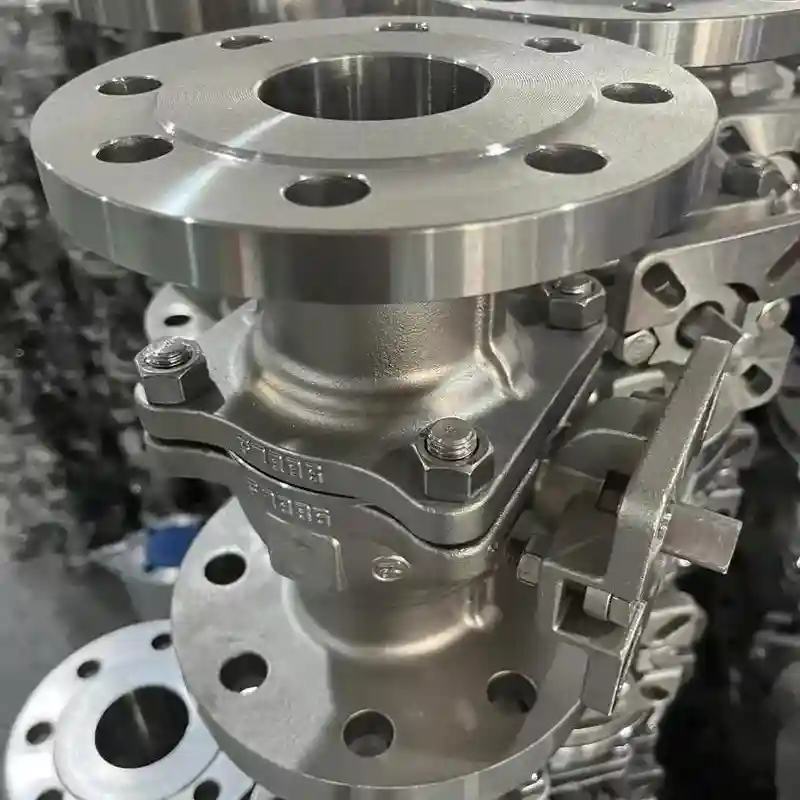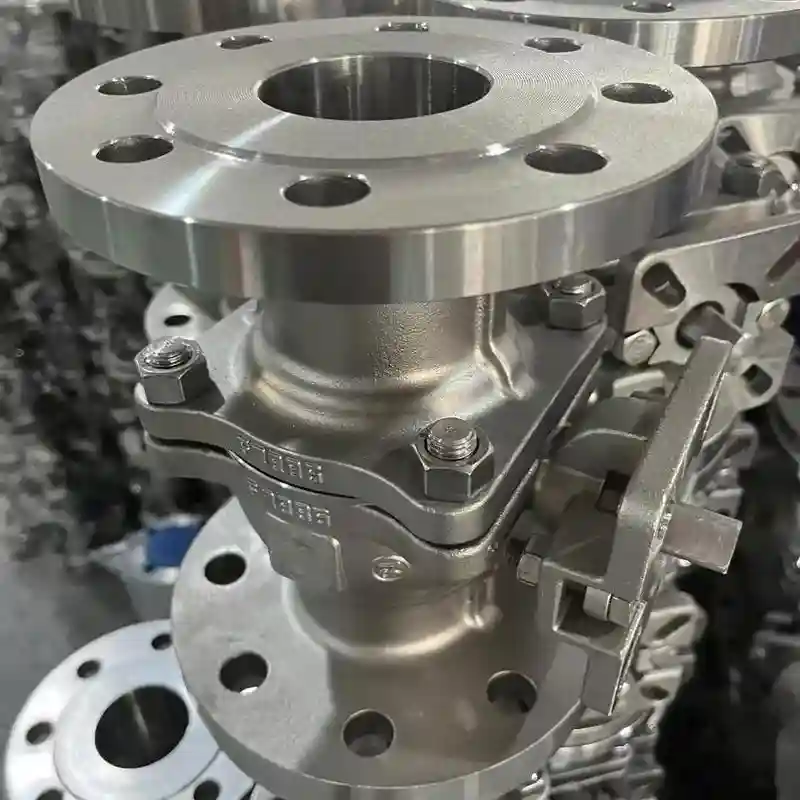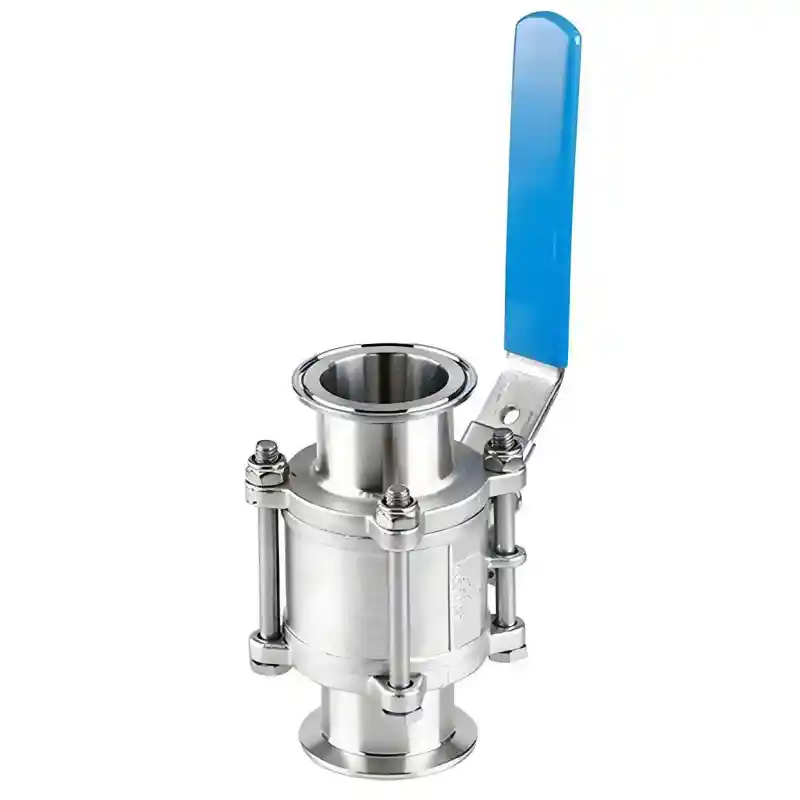

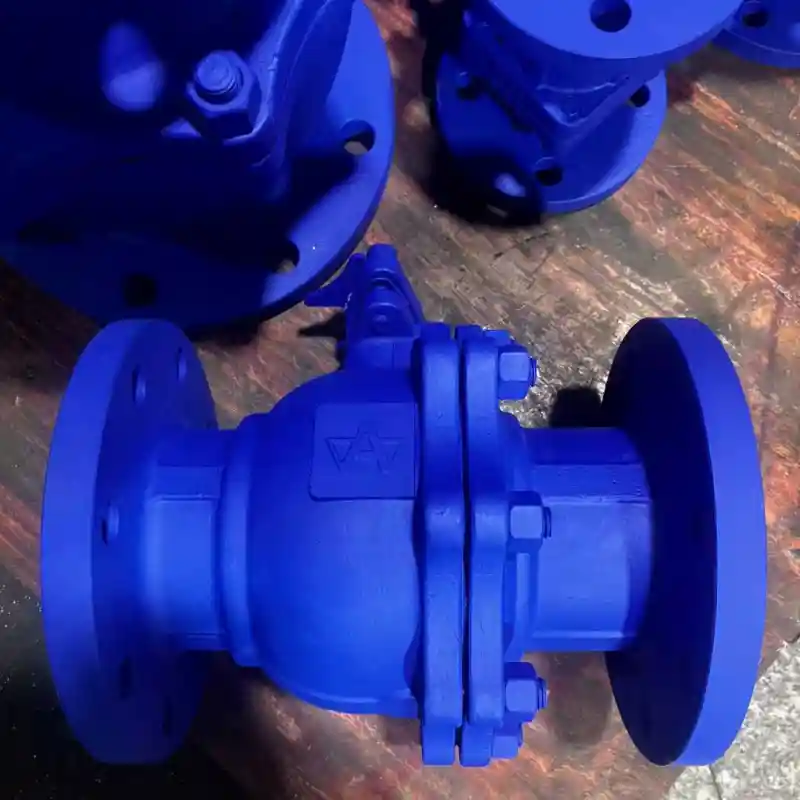
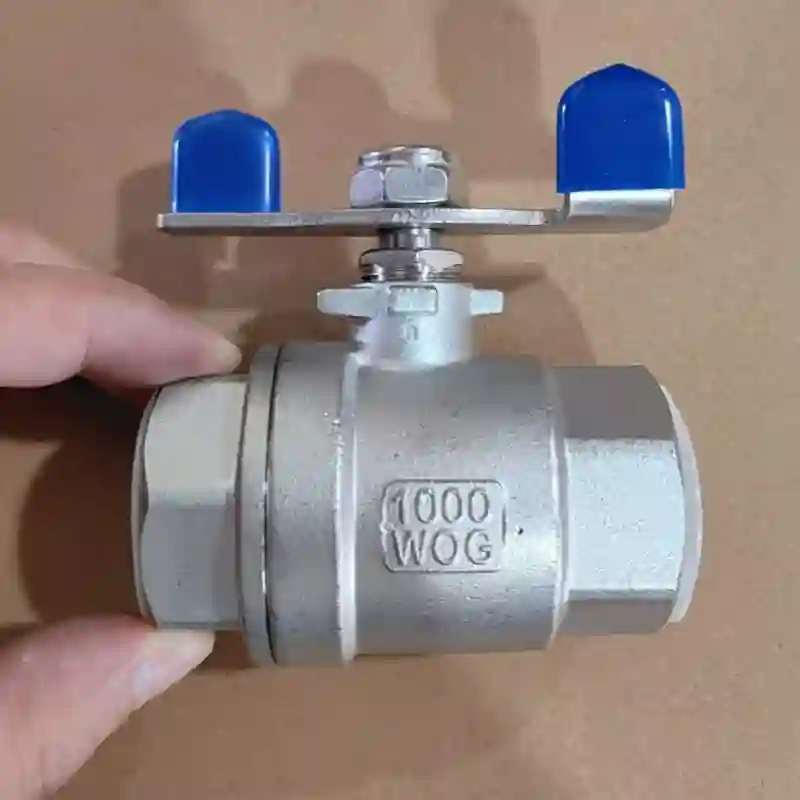
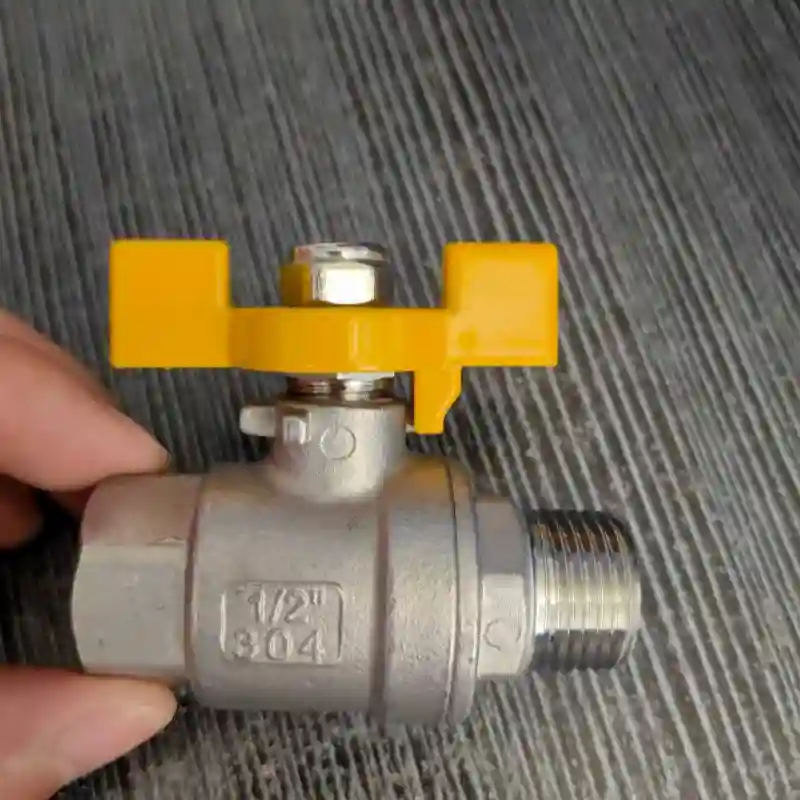
Threaded Steel Ball Valve – NPT, Class 800, A105 / 316 SS
Threaded steel ball valve in carbon steel or 316 SS, NPT/BSPP ends, Class 800-3000. Quick install without welding. For instrument lines, gas, steam, and hydraulic systems.
Description
Threaded Steel Ball Valves represent the most prevalent shut‑off solution for small‑bore industrial piping, covering nominal sizes DN6‑DN50 (1/8″‑2″). End connections follow NPT, BSPP or BSPT thread specifications. Body material options include ASTM A105 carbon steel for general‑purpose service and A182 F316 stainless steel for corrosive‑media conditions. Pressure ratings span Class 800‑3000 (2000‑6000 WOG), with operating temperatures ranging from −46 °C to 260 °C depending on seat material. These valves serve as standard hardware for fast isolation across instrument impulse lines, natural‑gas branch lines, steam‑trace circuits, hydraulic and pneumatic piping, as well as process drain and vent connections.
II. Core Advantages of Simplified Installation
The standout field benefit of threaded steel ball valves lies in straightforward assembly. Compared with flanged or welded alternatives, threaded connections deliver notable time savings and operational simplicity in three key respects:
- Hot‑work‑free assembly: Disassembly and reassembly can be completed solely with pipe wrenches. Welding gear, certified welders and hot‑work permit procedures are entirely eliminated. Within hazardous classified zones such as oil‑gas fields, refineries and chemical plants, this attribute often makes threaded valves the only viable connection option. For carbon steel threaded ball valve units, technicians only require suitable pipe wrenches and thread‑sealing compounds, with minimal site preparation.
- Low spatial footprint: Only limited clearance at each valve end for pipe‑wrench operation is required. No extra space for flange‑bolt wrenches or welding working positions is needed. This characteristic enables practical valve fitting in densely‑packed layouts, including regulator skids, instrument tube racks and bulkhead adjacent locations.
- Rapid maintenance and replacement: The full workflow — removing the old valve, cleaning threads, applying sealing tape and screwing in the new unit — can normally be finished within 15 minutes. For process lines requiring urgent onsite remediation, threaded ball valves cut downtime and lower labour expenses for repairs.
III. Material Selection & Design Standards
Valve bodies are supplied to ASTM A105 carbon‑steel or A182 F316 stainless‑steel specifications. Balls are manufactured from AISI 304 or 316 stainless steel. Seat material choices are PTFE (−29 °C‑150 °C), RPTFE (−29 °C‑180 °C) and PPL (−29 °C‑260 °C). The stem incorporates anti‑blow‑out geometry and is fitted with an API 608‑compliant anti‑static assembly. All units are engineered per ASME B16.34, with pressure‑temperature ratings aligned to ASME B16.5. Thread ends are machined to ANSI/ASME B1.20.1 (NPT), ISO 7‑1 (BSPT) or ISO 228‑1 (BSPP). Prior to dispatch, every unit undergoes hydrostatic shell testing at 1.5 times rated pressure plus low‑pressure pneumatic seat‑leakage testing at 0.6 MPa to guarantee leak‑tight performance.
IV. Field‑Proven Installation Efficiency
This is illustrated by an instrument‑system revamp project for PTTEP’s associated‑gas recovery facility at the Sirikit Oilfield in Thailand. Twenty‑eight instrument tap‑point socket‑welded ball valves required replacement due to corroded threaded ports. The remote field location meant certified welders needed booking one month in advance, while transportation of welding equipment to the wellsite incurred substantial logistical costs.
1/2‑inch NPT 316 stainless‑steel ball valves were selected as replacements. Two instrument technicians completed all installations on‑site using standard pipe wrenches and PTFE thread‑sealing tape. Thanks to the internals of the internally threaded steel ball, valves screw directly onto male pipe threads without intermediate adapters. All twenty‑eight valves were fully swapped‑out within three working days, and sealing performance passed commissioning verification on the first attempt after plant restart. The project lead commented: “At remote well sites, the elegance of threaded connections is this: a pipe wrench, a roll of PTFE tape and a skilled technician constitute the complete installation toolkit.”
V. Technical Specification Sheet
| Parameter | Specification Range |
|---|---|
| Nominal Size | DN6 ~ DN50 (1/8″ ~ 2″) |
| Pressure Class | Class 800 / 1500 / 3000 (2000~6000 WOG) |
| Body Material | ASTM A105 Carbon Steel / A182 F316 Stainless Steel |
| Ball Material | AISI 304 / 316 Stainless Steel |
| Seat Material | PTFE / RPTFE / PPL |
| Thread Standard | NPT (ANSI B1.20.1) / BSPP (ISO 228) / BSPT (ISO 7‑1) |
| Body Construction | 2‑piece / 3‑piece |
| Anti‑Static Feature | API 608 anti‑static assembly |
| Design Code | ASME B16.34 |
| Operating Temperature | −46 °C ~ +260 °C (seat‑material dependent) |
| Process Media | Instrument air, natural gas, steam, hydraulic oil, water, mildly corrosive fluids |
VI. Typical Application Scenarios
- Root valves at instrument‑air tap‑offs within refineries and chemical complexes
- Branch‑line isolation valves for gas pressure‑reducing stations and city gate stations
- Isolation and vent valves for steam‑trace piping
- Inlet shut‑off valves on equipment sides of hydraulic circuits
- Low‑point drain and high‑point vent valves for process piping
- Branch isolation valves for bilge‑water systems on offshore platforms and vessels
- Retrofit valve additions in locations where hot‑work operations are prohibited
VII. Key Selection Considerations
When specifying threaded steel ball valves, the following factors deserve careful review: thread specifications must precisely match mating pipe threads (NPT and BSP threads are not interchangeable); select carbon‑steel or stainless‑steel bodies based on process‑fluid corrosivity; choose PTFE, RPTFE or PPL seats corresponding to operating temperature; apply appropriate thread‑sealing media such as PTFE tape or anaerobic sealants during assembly, and tighten to recommended torque values to avoid body cracking or thread damage; for services with pronounced thermal cycling, carry out periodic inspections to preserve threaded‑joint sealing integrity.