
Cast Steel Ball Valve – WCB Body, ANSI Class 150-600
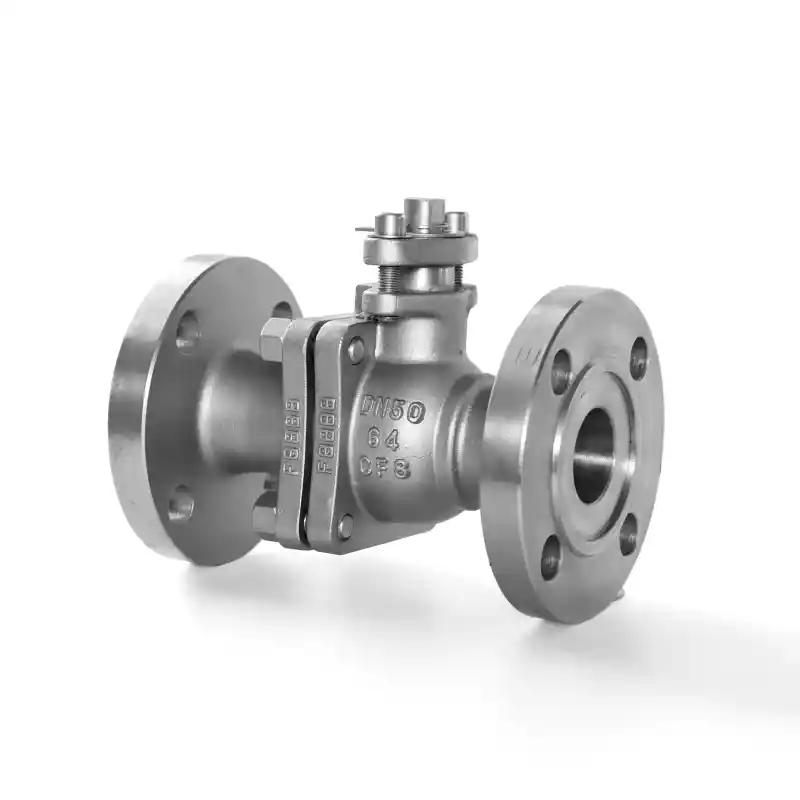
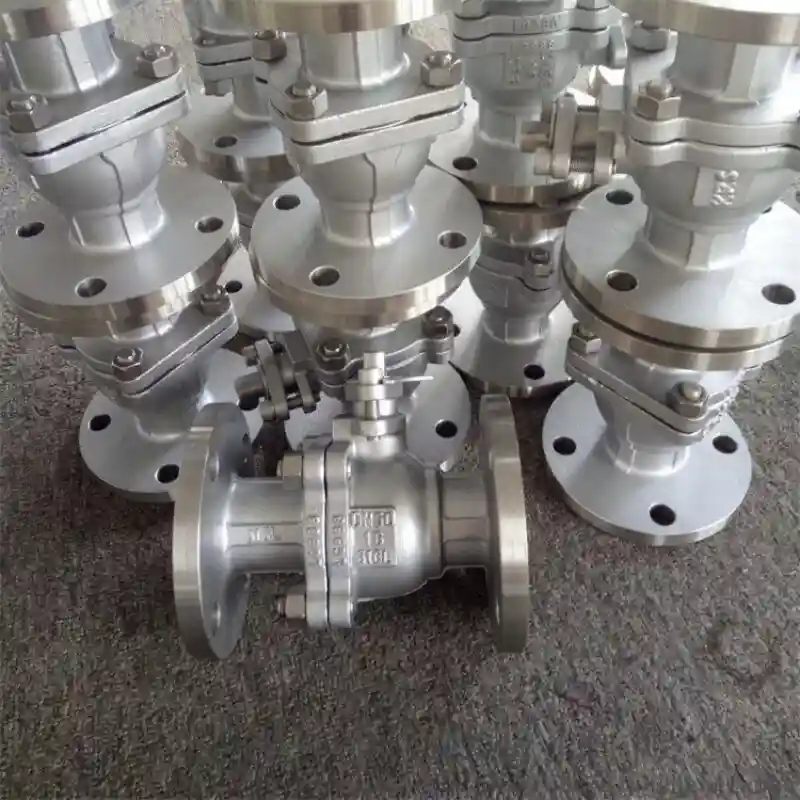
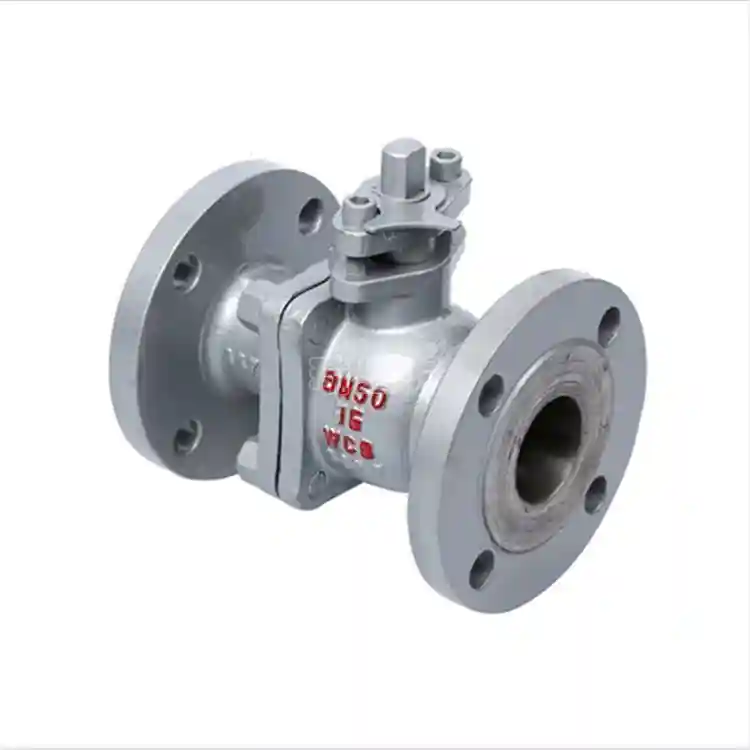
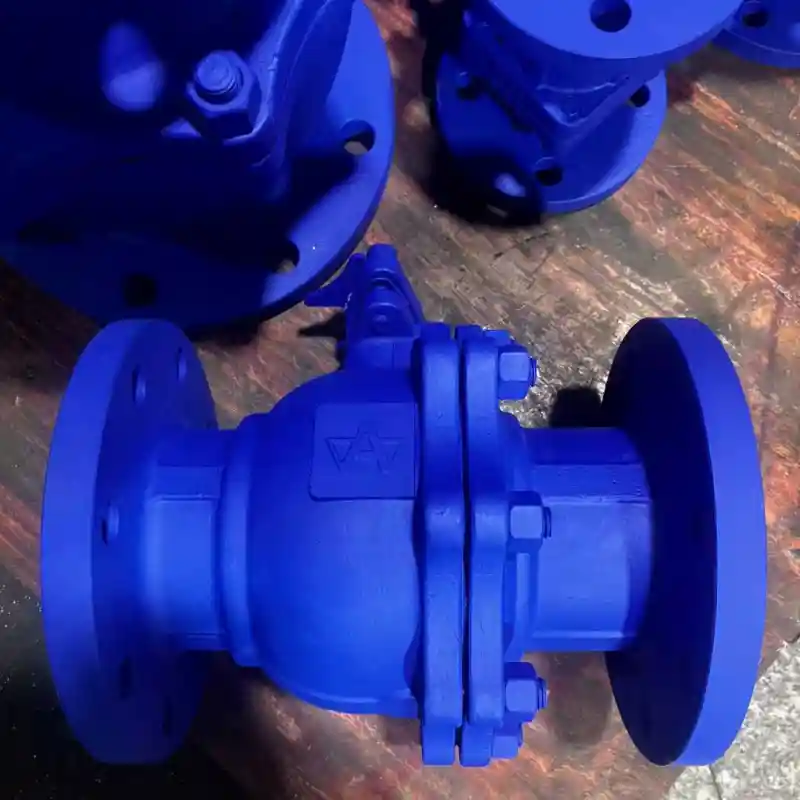
Cast steel ball valve with WCB body, Class 150-600, RF flange end. Cost-effective alternative to forged steel ball valve for water, oil, and gas pipelines.
Description
Cast Steel Ball Valve ranks among the most widely‑adopted shut‑off valves for industrial piping systems. Its valve body is formed via casting processes, with ASTM A216 WCB carbon steel for ambient‑temperature service as the baseline material. Alternative grades such as LCB/LCC low‑temperature steel or WC6/WC9 high‑temperature Cr‑Mo alloy steel may be selected according to process conditions. This valve series covers pressure classes Class 150‑600 and nominal sizes DN50‑DN600 (2″‑24″). Available end connections include flanged (RF/FF/RTJ), Butt‑Weld (BW) and Socket‑Weld (SW). Extensively deployed across oil‑and‑gas, chemical, power, municipal water and district heating networks, cast steel ball valves deliver outstanding cost‑performance for general‑purpose medium‑and‑low‑pressure services.
II. Economic Merits of Cast‑Body Manufacturing
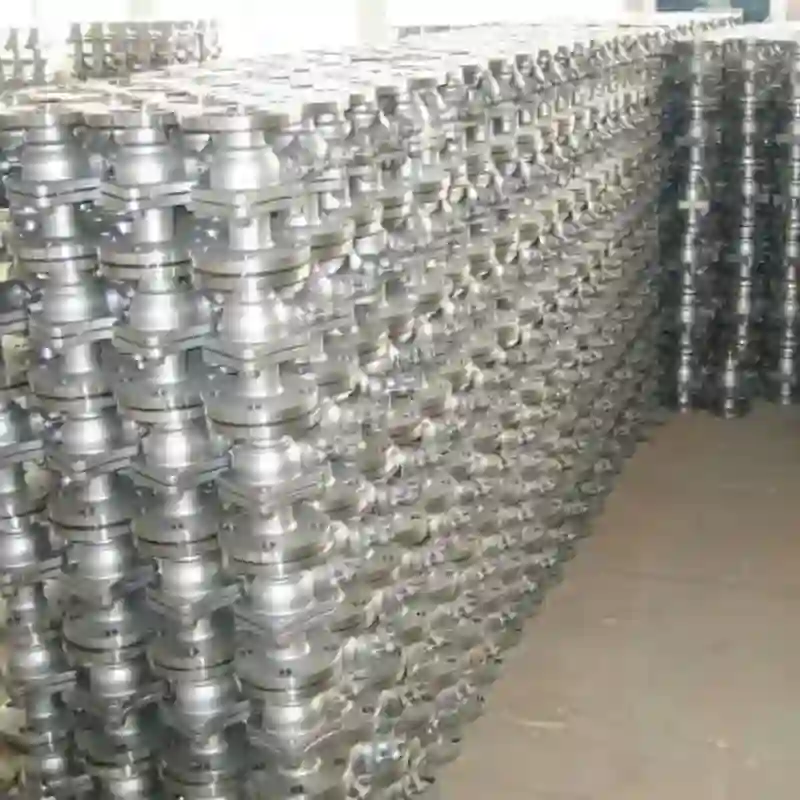
Casting technology brings two primary competitive edges to cast steel ball valves. First, it enables cost‑effective production of large‑size bodies (8″ and above) with complex geometric profiles. Once casting moulds are produced, they can be reused repeatedly, driving down unit costs as production volumes rise. Second, cast flow‑bores feature smooth inner surfaces and consistent wall thickness, facilitating unobstructed media passage and minimising pressure loss.
Compared with forged alternatives, cast bodies provide higher material utilisation, smaller machining allowances and shorter lead‑times for equivalent dimensions. These combined factors create distinct price competitiveness.
III. Material Specifications & Design Standards
The standard body material ASTM A216 WCB achieves minimum tensile strength of 485 MPa and minimum yield strength of 250 MPa, with an operating temperature range of −29 °C to 425 °C. Balls are fabricated from AISI 304 or 316 stainless steel. Seat sealing options comprise PTFE (−29 °C‑150 °C), RPTFE (−29 °C‑180 °C) and PPL (−29 °C‑260 °C). Stem construction incorporates anti‑blow‑out features and meets API 608 anti‑static requirements.
All units are engineered and manufactured in compliance with API 6D pipeline valve standards. Flange dimensions follow ASME B16.5, shell wall thickness adheres to ASME B16.34, and API 607 fire‑safe certification is available as an option.
IV. Real‑World Validation of Cost Advantages
The Jakarta Water Supply System Rehabilitation project in Indonesia featured roughly 62 kilometres of pipelines sized DN150‑DN500, with a design pressure of 1.6 MPa (Class 150) for raw‑water service at 25 °C‑40 °C. The initial technical specification called for stainless‑steel ball valves to guarantee long‑term reliability. However, this selection would push valve procurement expenditure from 8 % up to 18 % of total project budget. After reassessment, the engineering team concluded stainless steel was unnecessary for this clean, low‑pressure water application.
WCB cast‑steel flanged ball valves with full‑port bores and PTFE seats were adopted in the final solution. Unit pricing stood at merely 58 % of contemporaneous stainless‑steel ball‑valve quotations, yielding approximately USD 1.2 million in overall procurement savings. This case demonstrates that cast steel ball valves can fully satisfy service‑life and reliability requirements for non‑corrosive media, while delivering substantially lower upfront costs than stainless‑steel and forged‑steel valves. For numerous industrial piping projects operating under moderate pressure without high temperature or severe corrosion, specifying cast steel ball valves instead of higher‑priced forged steel ball valve represents an effective strategy for budget optimisation without sacrificing functional performance.
V. Technical Specification Sheet
| Parameter | Specification Range |
|---|---|
| Nominal Size | DN50 ~ DN600 (2″ ~ 24″) |
| Pressure Class | Class 150 / 300 / 600 |
| Body Material | ASTM A216 WCB (standard) / LCB (low‑temperature) / WC6 (high‑temperature) |
| Ball Material | AISI 304 / 316 stainless steel |
| Seat Material | PTFE / RPTFE / PPL |
| End Connection | Flanged (RF / FF / RTJ) / Butt‑Weld / Socket‑Weld |
| Construction Type | Floating Ball (≤DN200) / Trunnion Mounted (≥DN250) |
| Fire‑Safe Compliance | API 607 / API 6FA (optional) |
| Design Codes | API 6D / ASME B16.34 |
| Anti‑Static Feature | API 608 anti‑static construction |
| Operating Temperature | −29 °C ~ +260 °C (seat‑material dependent) |
| Process Media | Water, steam, oil products, natural gas, mildly corrosive fluids |
VI. Typical Application Scenarios
- Isolation duties for piping at oil‑and‑gas gathering stations
- Non‑corrosive‑media pipelines for refinery process units including atmospheric‑vacuum distillation and FCC plants
- Main trunk and distribution pipelines for municipal water‑supply networks
- Isolation valves for heating pipelines and district‑heating systems
- Circulating cooling‑water circuits in power plants
- Inlet and outlet piping within wastewater‑treatment facilities
- Ballast‑water and fire‑water systems on marine vessels
VII. Sourcing Guidance
Thanks to compelling cost‑performance, cast steel ball valves constitute the preferred option for conventional medium‑to‑low‑pressure applications. Purchasers should first verify whether medium‑corrosivity and operating‑temperature exceed the material’s allowable limits. For services free from heavy corrosion, with temperatures below 260 °C and pressure no higher than Class 600, cast steel ball valves generally deliver the most economical solution.
Confirm bore dimensions match pipe inner diameter, paying close attention to how reduced‑bore designs affect flow capacity and pigging feasibility. Clarify flange standards and face configurations (RF / FF / RTJ) to prevent interface mismatch with existing pipe flanges. Request complete material test reports, pressure‑test documentation and API 6D compliance certificates from manufacturers. The cost‑benefit of cast steel ball valves becomes especially pronounced for large‑bore sizes DN200 and above, making them critical for controlling valve spend on large‑scale piping projects.