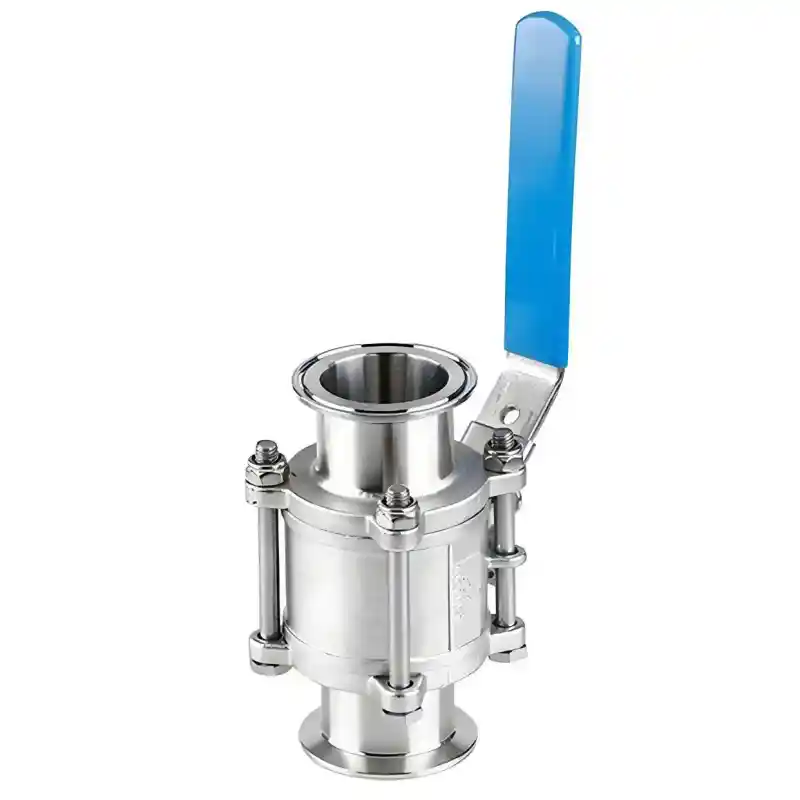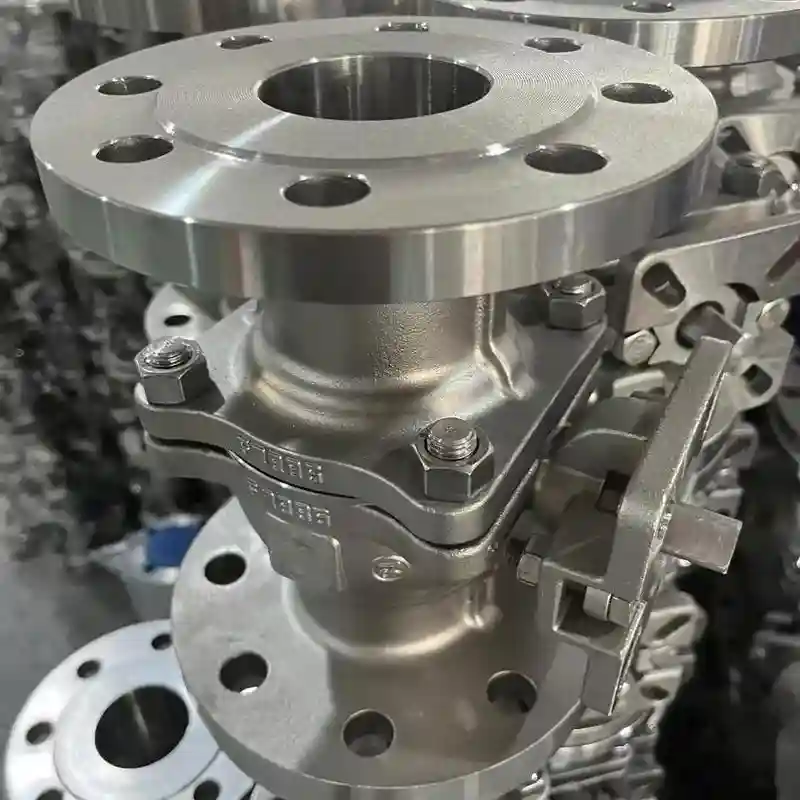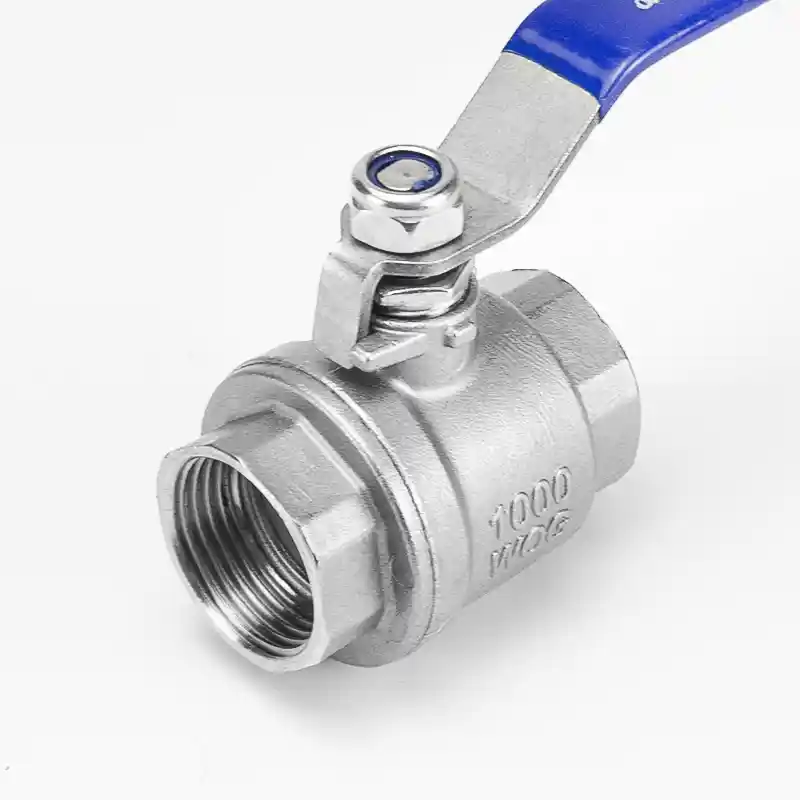

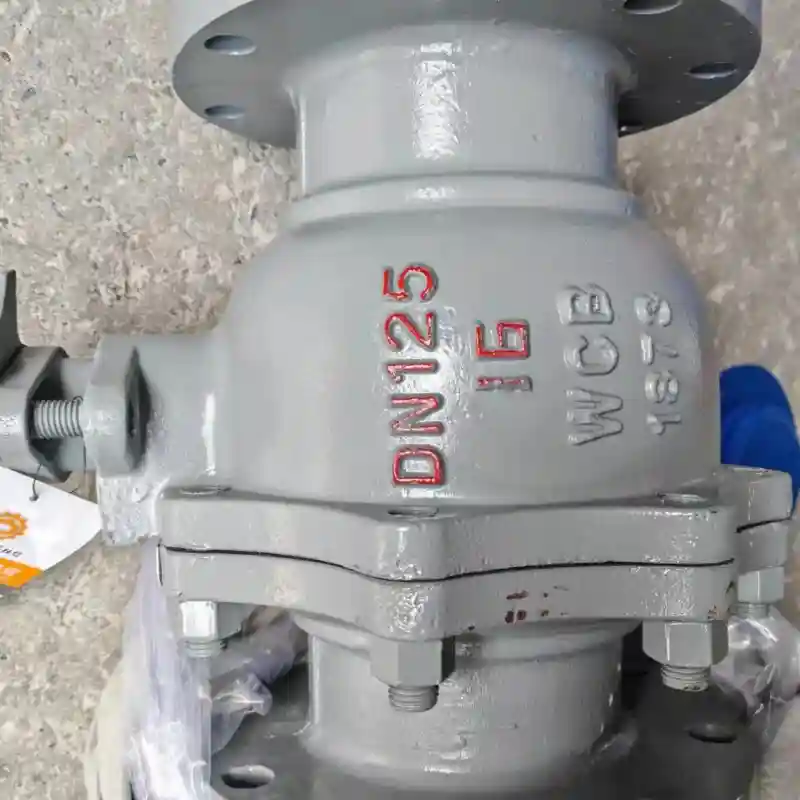
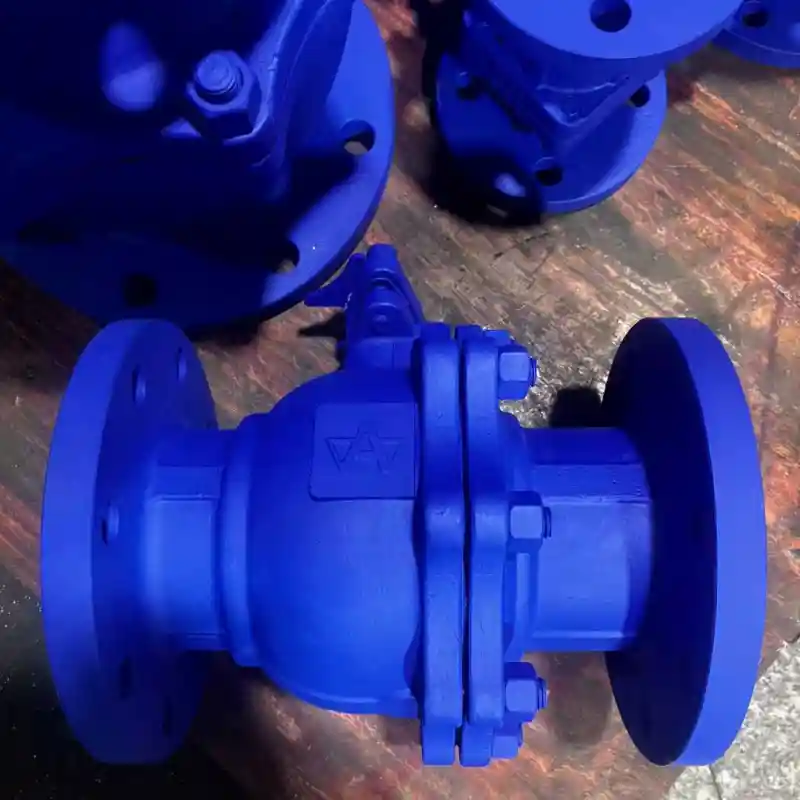
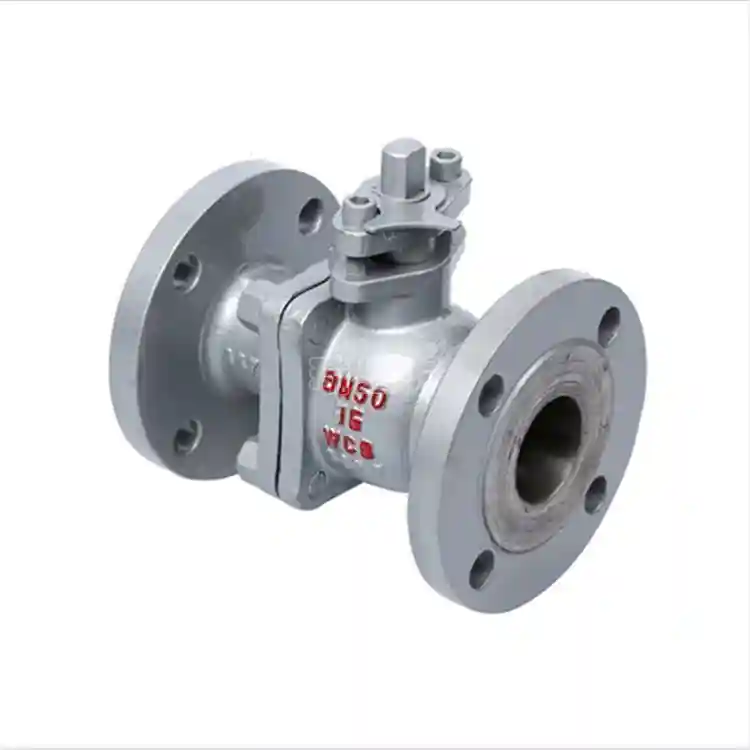
High Temp High Pressure Steel Ball Valves – Class 150-2500
High temp & high pressure steel ball valves for power and oil plants. Metal seated, API 6D, Class 150-2500. Reliable shut-off under extreme conditions.
Description
Steel Ball Valves perform shut‑off and opening duties for high‑temperature, high‑pressure media within industrial piping systems. Where process temperatures exceed 400 °C or pressure ratings reach Class 900 and above, conventional soft‑seated ball valves suffer seat softening and carbonisation of PTFE or PPL components, resulting in total seal failure.
Under these severe service conditions, steel ball valves featuring metal‑to‑metal hard‑sealing constructions and high‑temperature alloy materials become mandatory. This product category is widely deployed in demanding environments such as main‑steam circuits of ultra‑supercritical thermal power units, high‑temperature flue‑gas piping for FCC units in refineries, and high‑pressure hydrogen‑rich service in hydrocracking complexes.
II. Key Design Considerations for High‑Temperature and High‑Pressure Service
Three core technical strategies equip steel ball valves for harsh thermal‑pressure operating conditions:
- Body material selection: Heat‑resistant alloy grades shall be selected according to operating temperature bands. ASTM A217 WC9 (Cr‑Mo cast steel) or A182 F91 forged steel apply for 425 °C‑570 °C service; A182 F92 or nickel‑base alloys are specified for 570 °C‑650 °C. Carbon‑steel grades including WCB / A105 experience sharp deterioration in creep strength above 425 °C and are therefore unsuitable for these applications. For pressure classes of Class 900 and higher, trunnion‑mounted configurations are required. Upper and lower trunnion bearings absorb fluid thrust loads, lowering operating torque while maintaining uniform sealing contact pressure.
- Sealing pair configuration: Metal‑to‑metal hard‑seated construction is adopted. Both ball surfaces and seat sealing faces receive hard‑facing overlay of Stellite cobalt‑chromium‑tungsten alloy or tungsten carbide, achieving hardness ranging from HRC 40‑65. This resists high‑temperature fluid erosion and particle‑induced abrasive wear. Belleville spring‑loaded seats compensate for thermal expansion and contraction over temperature cycles, sustaining stable sealing contact pressure across the full operating temperature spectrum.
- Anti‑blow‑out stem and heat‑dissipation layout: Extended stem tops are fitted with cooling fin structures, lowering temperature within the stuffing box to tolerable limits for graphite packing (typically below 300 °C). Anti‑blow‑out stem geometry prevents catastrophic stem ejection under high‑pressure events.
III. Industry Application Case Study
At Huaneng Yuhuan Power Plant, ultra‑supercritical 1000 MW generating units feature main‑steam piping with a design pressure of 25.4 MPa and design temperature of 610 °C. Steel ball valves in A182 F91 material were installed for main‑steam isolation and boiler outlet bypass duties. Both seats and balls are hard‑alloy overlaid, built around trunnion‑mounted metal hard‑sealed architecture. Since unit commissioning, these valves have accumulated more than 50 000 operating hours under steam conditions exceeding 600 °C, with zero external or internal leakage incidents.
Superior high‑temperature creep resistance and thermal‑fatigue performance were decisive selection criteria. Under such service, ordinary austenitic stainless‑steel valves deliver merely half the creep capability of F91, and cannot satisfy continuous run durations corresponding to one plant turnaround cycle (typically 4‑6 years). The project also demonstrates that despite a higher initial steel valve price compared with standard valves, these heavy‑duty units can remain in‑service for two or more overhaul intervals (8‑12 years) without replacement. Consequently, their total‑life‑cycle cost proves lower than alternatives requiring frequent component change‑outs.
IV. Technical Specification Sheet
| Parameter | Specification Range |
|---|---|
| Nominal Size | DN50 ~ DN600 (2″ ~ 24″) |
| Pressure Class | Class 900 / 1500 / 2500 |
| Body Material | A217 WC9 / A182 F91 / A182 F92 / Inconel 625 |
| Ball Material | F91 / F316 (hard‑alloy overlaid) |
| Seat Material | Metal hard‑seat (Stellite / Tungsten Carbide) |
| End Connection | Flanged (RF / RTJ) / Butt‑Weld (BW) |
| Construction Type | Trunnion Mounted |
| Fire‑Safe Compliance | API 607 / API 6FA |
| Design Codes | API 6D / ASME B16.34 |
| Anti‑Static Feature | API 608 anti‑static construction |
| Operating Temperature | −46 °C ~ +650 °C (material‑dependent) |
| Process Media | High‑temperature steam, high‑pressure hydrogen, hot flue gas, hot oil |
V. Applicable Service Conditions
- Main‑steam and reheat‑steam loops for ultra‑supercritical thermal power‑generating units
- High‑temperature flue‑gas piping at regenerator outlets of refinery FCC units
- Feed pipelines for high‑pressure hydrogen‑rich reactors within hydrocracking facilities
- High‑temperature cracked‑gas lines at ethylene‑cracker furnace outlets
- Heat‑transfer‑fluid (hot‑oil) transmission systems at elevated temperatures and pressures
- Main‑steam circuits for conventional islands of nuclear power plants
VI. Sourcing Considerations for Valve Selection
When specifying steel ball valves for high‑temperature high‑pressure services, the following points merit close attention: confirm maximum continuous operating temperature as well as transient peak temperature, to guide proper selection of body alloys and hard‑facing consumables; clarify required sealing class across the complete temperature range (Class IV‑V are typical for metal hard‑seals); verify pipe material and wall thickness at flanged or butt‑weld ends to guarantee weldability compatibility; for applications subject to frequent thermal cycling, validate the operating range and compensation margin of belleville spring assemblies against design requirements.
While evaluating steel valve price quotations from competing vendors, unit cost alone should not govern decisions. High‑temperature fatigue test data and proven field references under equivalent severe‑service conditions must also be assessed. Unplanned plant shutdown losses triggered by in‑service leakage of a high‑temperature high‑pressure ball valve can amount to many multiples of the valve’s original procurement expense.