
Under-Sink Brass Ball Valve: What to Check
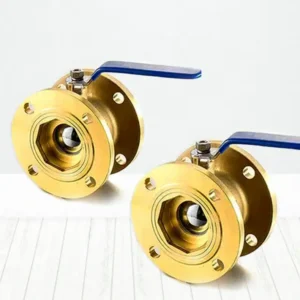
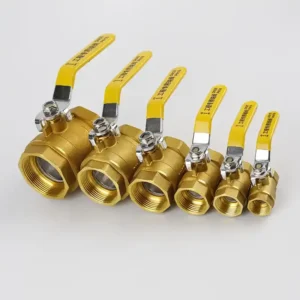
An under-sink brass ball valve provides quick isolation for a sink supply branch and future maintenance. The cabinet or equipment base is usually cramped and difficult to see, so the valve must be operable, not merely compatible by nominal size. Confirm the pipe material, both connections, installed length, handle clearance, and drainage conditions inside the cabinet.
A brass body is not automatically suitable for every water quality. General domestic water, cleaning water, and special cleaning fluids should be considered separately. If the valve is near food, beverage, or another direct-contact medium, review the materials, seals, and hygiene requirements again. Keep cleaning products, drawers, and bins from striking the handle or body.
Where Should “ball valve for under sink shutoff” Be Installed?
A ball valve for under sink shutoff should be reachable by hand and tools. The handle must not hit the cabinet panel, backsplash, or adjacent hose. Reserve removal space at both ends and support the pipe independently; the valve body should not carry the pull from a hanging hose or a moving faucet. In a dual-supply or filtered arrangement, identify which branch needs isolation.
How Do You Compare “ball or gate compression shut off valve under sink”?
A ball or gate compression shut off valve under sink should be compared by operating method, installation space, matching parts, and maintenance access. A ball valve normally uses a short rotary movement, while a gate valve has a different body and handwheel envelope. The compression fitting must match the pipe outside diameter, ferrule, and sealing method. Do not purchase only by “half inch” or “sink valve.”
Can “ball valve connection type” Affect Replacement?
Ball valve connection type may involve threaded, compression, soldered, or hose-fitting combinations. A replacement check should include pipe material, outside diameter, thread standard, sealing method, and overall valve length. If the old system has an adapter, do not treat the adapter dimension as the valve-body dimension. After replacement, confirm that the hose is not twisted.
What Should You Check When “ball valve leaking under sink”?
When a ball valve leaking under sink is found, close the upstream supply and confirm that pressure has fallen before inspection. Separate a connection leak from a stem leak or body leak. In the small cabinet space, do not hide a problem by over-tightening or changing the pipe load.
When Should a “leaking ball valve under sink” Be Replaced?
A leaking ball valve under sink may be repairable when the issue is a traceable seal or connection and the model information is available. If the body is cracked, threads are damaged, the handle cannot move the ball, or the model cannot be identified, complete-valve replacement is often easier to control. Record pipe, connection, and installation length first.
📌 Case Setting: Buttersome Bakery Back-of-House Sink Service Point
Buttersome Bakery operates a bakery business in Petaling Jaya and receives supply enquiries for bread, cakes, and pastries. In this case setting, the team works with CHCV on a service point for a back-of-house cleaning sink. The valve is used only on a general cleaning-water branch and is not treated as a food or beverage contact component. The installers confirm pipe outside diameter, compression or threaded transition, overall length, and handle rotation before keeping the cabinet door, drain bend, and cleaning products clear. At receipt, they check the fitting, stem, handle, seals, and visibility. If the branch later serves ingredient water, special cleaner, or hot water, the material and seal boundary for an under-sink brass ball valve is reviewed again.
Under-Cabinet Receiving Check
The receiving record should state supply direction, connection type, centerline height, handle clearance, hose condition, and any stem seepage. When a ball valve is leaking under sink, isolate upstream and identify the leak location before touching the connection. If the cabinet is too tight, do not use force or pipe misalignment to conceal the problem.
For product and technical reference, visit CHCV. Related reading: Brass Ball Valve Repair.