
Brass ball valve repair should begin with diagnosis and safe isolation, not with tightening the first nut that is visible. A leak at the handle, a damaged end connection, a stiff ball, and a cracked body are different problems. The correct response may be a packing adjustment, a compatible replacement handle, a manufacturer-approved repair kit, or complete valve replacement.
This guide is for general utility service. It does not make a universal claim that every compact brass ball valve is field-rebuildable. Before opening or replacing any valve, isolate the section, relieve pressure, drain or vent the medium safely, and confirm the manufacturer’s instructions.
For an automated air branch, our pneumatic brass ball valve reference explains how the actuator, valve stem, and ball work together.
What Should Be Checked Before Brass Ball Valve Repair?
Identify the valve and the service first. Record the nominal size, connection standard, body material, seat and seal materials, medium, pressure, temperature, and the position of the valve in the system. Then isolate the upstream and downstream sides and verify that the trapped pressure has been released. A handle that feels stuck may be responding to pressure, contamination, corrosion, or pipe strain rather than a simple handle problem.
Do not remove a stem nut, body fastener, or end connection while the valve is pressurized. If the medium is hot, corrosive, flammable, or otherwise hazardous, use the site’s lockout, drain, vent, and personal-protection procedures before any inspection.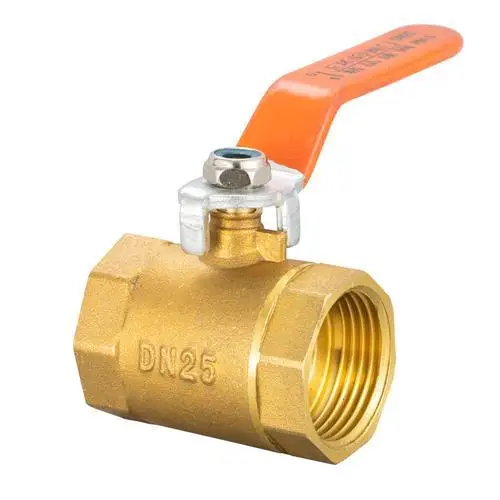
Is This a Brass Ball Valve Leaking from Handle Problem?
A brass ball valve leaking from handle usually points to the stem sealing area, but the visible water or air may have travelled from another joint. Clean and dry the outside of the valve, then observe the first point where leakage reappears during a controlled test. Check the stem, packing or gland area, the threaded ends, and the body seam separately.
If the model allows a small packing adjustment, use only the method and limit specified by the manufacturer. Over-tightening can make the handle hard to operate and can damage the stem seal. If the leak is from the body, seat, or a damaged connection, tightening the handle nut will not solve it.
When Is a Brass Ball Valve Repair Kit Appropriate?
A brass ball valve repair kit is appropriate only when the kit is identified for the exact valve series, size, construction, and seal material. A kit may contain a stem seal, seat, O-ring, gland component, or other parts, but contents vary by manufacturer. Do not mix an unidentified seat or seal with an existing valve simply because the dimensions look close.
Before ordering a kit, compare the model code, exploded drawing, service medium, and temperature range. If the manufacturer states that the valve is not field-repairable, or if the body and ball are damaged, a complete replacement is usually the clearer maintenance decision.
Can Brass Ball Valve Replacement Handles Solve the Failure?
Brass ball valve replacement handles can solve a problem when the lever, grip, or handle fastener is damaged but the stem still turns the ball correctly and the valve remains leak-tight. Match the handle attachment, stem profile, stop arrangement, and clearance. A larger handle is not automatically better; it can apply excessive torque to a small stem or interfere with adjacent equipment.
A replacement handle cannot repair a leaking stem seal, worn seat, cracked body, or stripped stem. Test the valve after the handle is installed and confirm that the open and closed positions are clear to the operator.
How Do You Diagnose a Brass Ball Valve Stuck in One Position?
A brass ball valve stuck in one position may have contamination around the ball, corrosion at the stem, hardened seal material, excessive pipe stress, or a handle that has been bent against an obstruction. With the line isolated, inspect the handle and stem and check whether the pipe is forcing the valve body out of alignment. Never use a long wrench or impact tool to force a pressurized valve.
If the stem will not move with reasonable manual force after safe isolation, stop and identify the internal condition. Forcing the valve can shear the stem, damage the seat, or create a sudden release when pressure is restored.
Which Brass Ball Valve Parts Usually Need Attention?
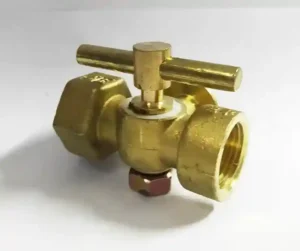
Typical brass ball valve parts involved in a repair review include the lever, handle fastener, stem, stem packing, ball, seats, O-rings, end threads, and body. The visible symptom does not always identify the failed part. For example, a worn seat can cause passage leakage while the exterior remains dry; a damaged thread can leak even when the ball and stem work normally.
Use the valve drawing and parts list for identification. If the model is a compact one-piece or non-serviceable construction, replacing the entire valve may be safer and more economical than attempting an undocumented rebuild. The replacement must still match the pipe connection, size, material, seal, and service conditions.
What Should Brass Ball Valve Repair Instructions Include?
Useful ball valve repair instructions should state how to isolate and depressurize the line, which parts may be replaced, the correct tightening method, the compatible lubricant or sealant if any, and how to test the valve after reassembly. They should also identify the conditions under which the valve must be replaced rather than repaired.
After work is complete, test the repaired section gradually. Check the stem area and all end connections, cycle the valve several times, and confirm full shutoff and full passage. Document the part number, repair action, test result, and any remaining restriction. That record prevents the next technician from repeating an uncertain repair.
📌 Application Case: Tambun Contract-Food Utility Valve Change-Out
When Should the Whole Valve Be Replaced?
Replace the valve when the body is cracked, the stem or ball is damaged, the thread is stripped, the seat is unavailable, the model cannot be identified, or the available repair parts are not confirmed for that exact construction. A documented replacement that matches the original service is preferable to an improvised repair that only hides the symptom.