









2.5″ Electric Ball Valve Full Port DN65 High Flow For Water Treatment
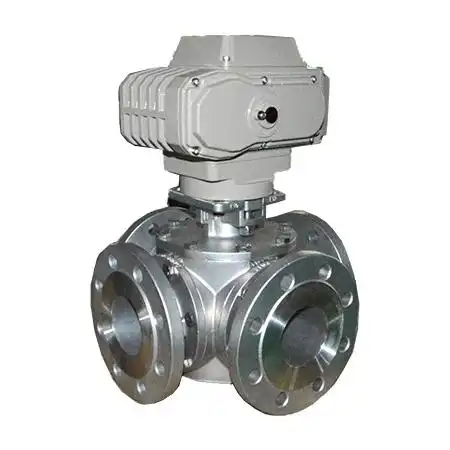
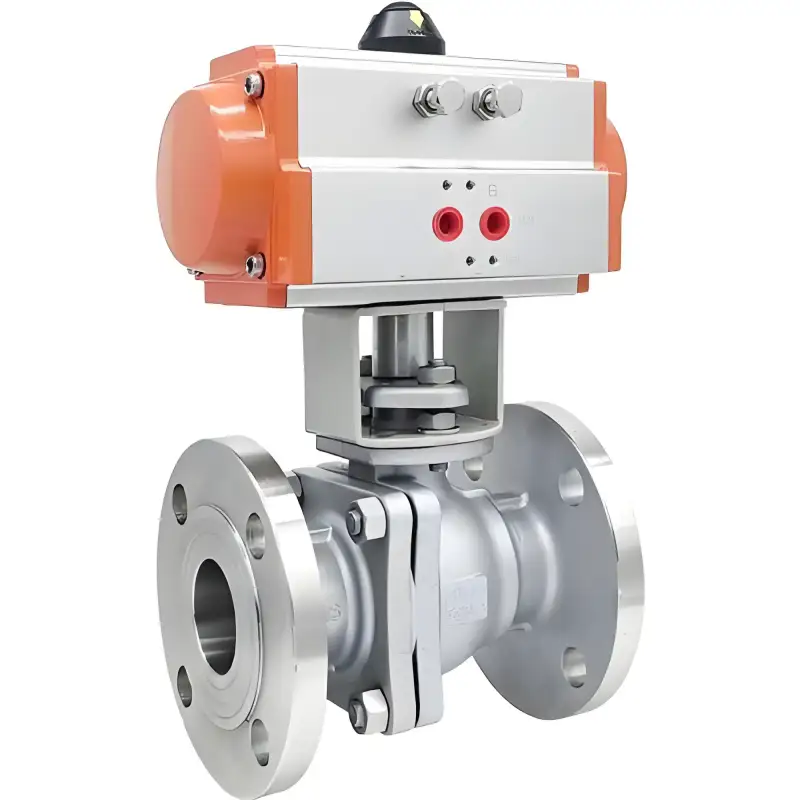
2.5″ electric ball valve DN65 full port, low pressure drop for irrigation, HVAC and light-duty industrial system.
Description
1. Product Overview
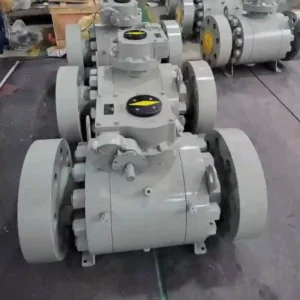
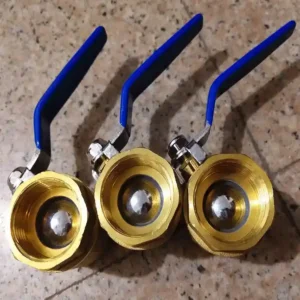
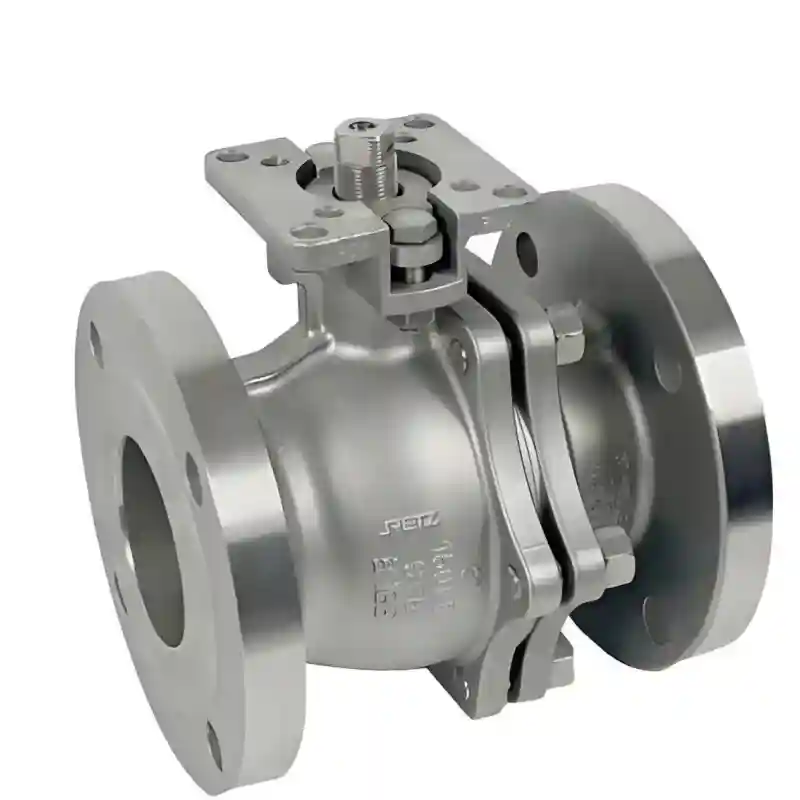
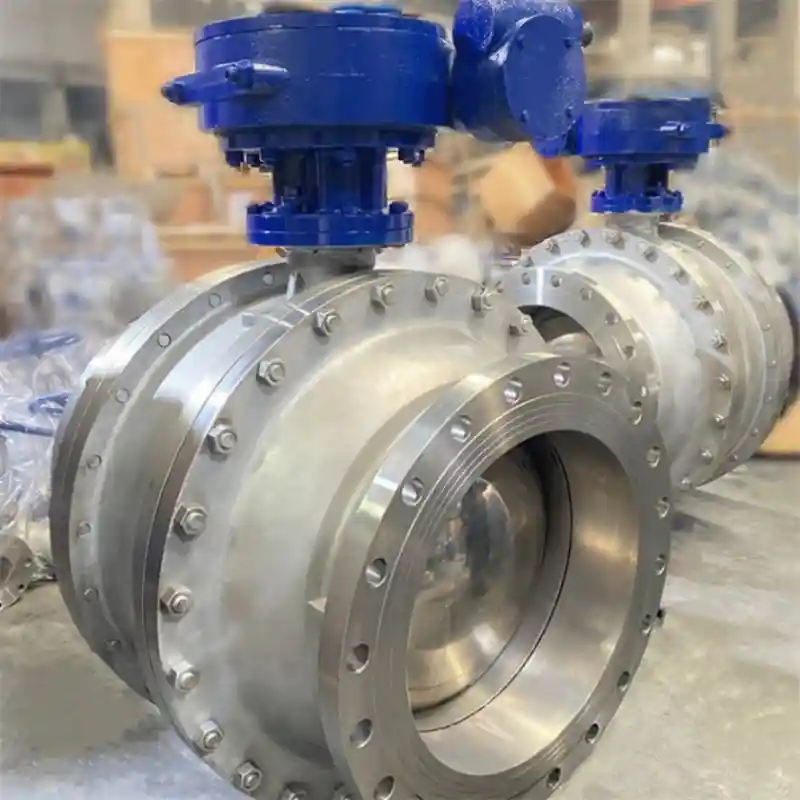
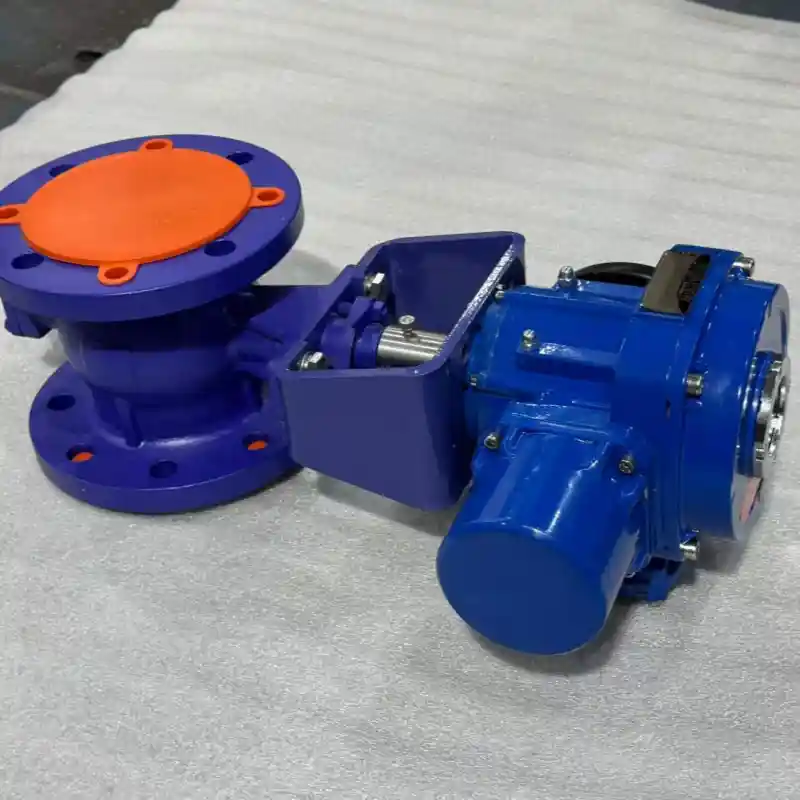
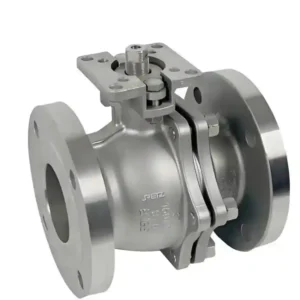
The 2.5″ electric ball valve (DN65) is designed for medium‑scale commercial and light‑industrial pipelines requiring moderate‑to‑high flow rates. It features a full port (full‑bore) ball, where the ball’s opening closely matches the pipe’s internal diameter, minimising flow resistance. The body is produced through a combination of casting and forging, and must be paired with a high‑torque electric actuator to drive the ball through a 90° rotation for on/off control.
A manual override enables emergency local operation, and an optional spring return mechanism provides fail‑safe closure upon power loss. Flanged connections are the primary type, though large threaded interfaces can be customised on request. This size fills the flow gap between DN50 and DN80, overcoming the limited capacity and excessive pressure drop typical of reduced‑port valves. It is widely deployed in water treatment, large‑scale irrigation, and energy‑exchange stations within industrial parks.
2. Materials & Technical Specifications
| Parameter | Detail |
|---|---|
| Nominal size | 2.5″ (DN65) |
| Ball type | Full port (full bore) |
| Connection | Flanged (primary); threaded available on request |
| Body material | Brass / SS304 / SS316 stainless steel |
| Supply voltage | DC24V, AC110V/120V/220V |
| Control wiring | 2‑wire basic / 5‑wire with position feedback |
| Key features | Full‑bore, high throughput, low pressure drop, suited for medium‑industrial pipelines |
| Optional functions | Manual override, spring‑return fail‑safe |
| Working pressure | 0.1–1.6 MPa |
| Medium temperature | 0–120°C |
| Applicable media | Circulating water, irrigation water, clean water, mildly corrosive fluids |
3. Application Scenarios
Typical deployments include main lines in medium‑sized water treatment plants, large‑volume circulating water for commercial buildings, trunk irrigation pipelines in industrial parks, industrial cooling systems, large swimming‑pool circulation, packaged wastewater treatment equipment, large water‑supply units, and auxiliary feedwater lines in thermal power plants.
4. Real‑World Project
At the EauPub Liège water treatment facility in Liège, Belgium, the 2.5″ electric ball valve has been installed in bulk on main supply pipelines. The full‑bore ball eliminates throttling bottlenecks at the valve position, keeping system pressure drop low and optimising pump operating loads. For simple on‑off control on irrigation lines, the 2‑wire 2.5 electric ball valve is selected to simplify on‑site wiring.
5. Selection Guide & Distinctive Strengths
The core advantage lies in the full‑bore design: when fully open, the valve offers an ample flow cross‑section, resulting in minimal resistance and preserving the system’s designed flow rate while reducing pumping energy consumption.
-
For projects requiring valve‑status feedback to a central control system for logic management → choose the 5‑wire 2.5 electric ball valve.
-
For seawater or weak acid/base media → prefer the stainless steel 2.5 electric ball valve.
-
For unattended main supply systems → configure with the spring return 2.5 electric ball valve to automatically shut off on power failure, preventing widespread spillage.
Important note: The DN65 size demands substantial torque; therefore, it is critical to match the valve with a correctly sized high‑torque actuator. Using an undersized actuator will lead to burnout or incomplete switching – this must be strictly avoided.
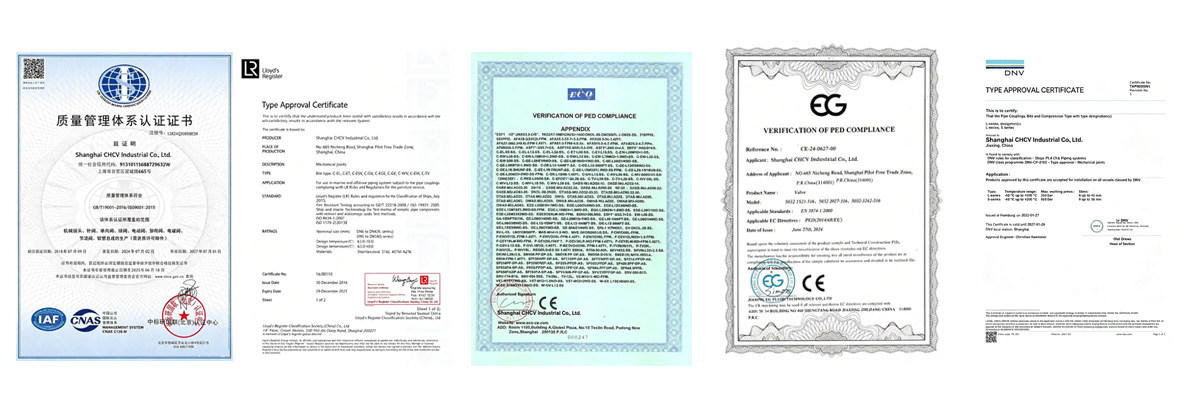
The product holds CE export certification; the actuator is rated IP54, suitable for equipment rooms and protected outdoor environments. Customisation options include flange standards, voltage, and body material. Each shipment comes with actuator selection guidelines, dimensional drawings, and pressure test reports – facilitating system design and project acceptance for overseas contractors. Bulk orders are welcome, and separate replacement actuators are available to reduce future on‑site maintenance costs.