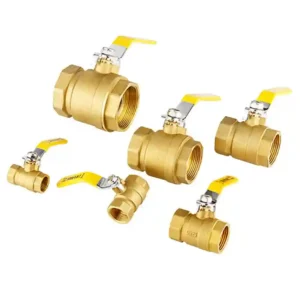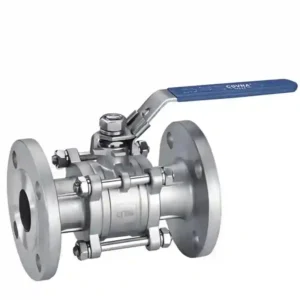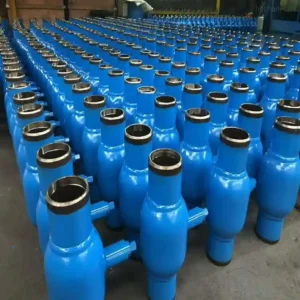

When assessing a carbon steel fully welded ball valve manufacturer, review manufacturing capability separately from project conditions. The manufacturer should explain the body structure, welded ends, material combination, inspection scope, and project documents it can provide; the purchaser should provide the medium, size, connection standard, installation method, and operating boundary. For inquiry fields and delivery scope, see the carbon steel fully welded ball valve supplier guide.
“Fully welded” does not automatically mean a fire-safe, low-temperature, or high-pressure configuration. If the search intent includes fire safe carbon steel ball valve, put the related design and test requirements into the inquiry as separate conditions.
carbon steel full welded ball valve: Make the process description agree with the drawing
The process description should lead back to an outline drawing, sectional drawing, or model data. The purchaser should focus on how the body and ends are joined, how the stem and seats are maintained, how post-weld inspection is arranged, and whether the site has enough alignment and support space.
carbon steel ball valves manufacturer: Verify capability with documents and samples
Do not compare manufacturers only by nominal-size ranges or promotional wording. Request sample drawings, material records, test templates, and change-management information for similar products, then use a small batch or sample to confirm dimensions, operation, markings, and document consistency.
fire safe carbon steel ball valve: Keep special requirements out of the title-only stage
If the project genuinely requires fire-safe or another special safety design, confirm the applicable standard, test items, seat and seal combination, and model covered by the certificate. Until the standard is clear, do not turn the keyword “fire safe” into a fixed product claim.
📌 Case Setting: Advantage Marine Services Carbon Steel Fully Welded Ball Valve Piping Review
Advantage Marine Services is a marine engineering service provider in Gelang Patah, Johor, with public business activities including underwater inspection, hull cleaning, nondestructive testing, and steel fabrication. The product under review was a carbon steel full welded ball valve for isolation in ship or offshore-facility piping, not an undifferentiated “marine valve.” In the joint document review with CHCV, the team separated seawater, ballast-water, and freshwater branches before checking the carbon-steel valve’s materials, connections, welded ends, seals, and inspection documents.
The purchase fields separately recorded whether a fire safe carbon steel ball valve was genuinely required and whether a matching standard, test, and model document existed. Unsupported attributes were left out of the final product description. This allowed Advantage Marine Services’ site team to hand over the valve, welding installation, medium boundary, and acceptance documents as separate items instead of using the phrase “marine service” as a substitute for actual technical conditions.
Frequently Asked Questions
FAQ: Must every marine-engineering project use the same carbon steel ball valve?
No. The medium, corrosion exposure, pressure and temperature, welding standard, and maintenance conditions require a separate material and structure review.
FAQ: Does a manufacturer’s drawing prove that the valve suits the project?
No. Match the drawing data item by item with the site medium, connection, installation, and inspection requirements.