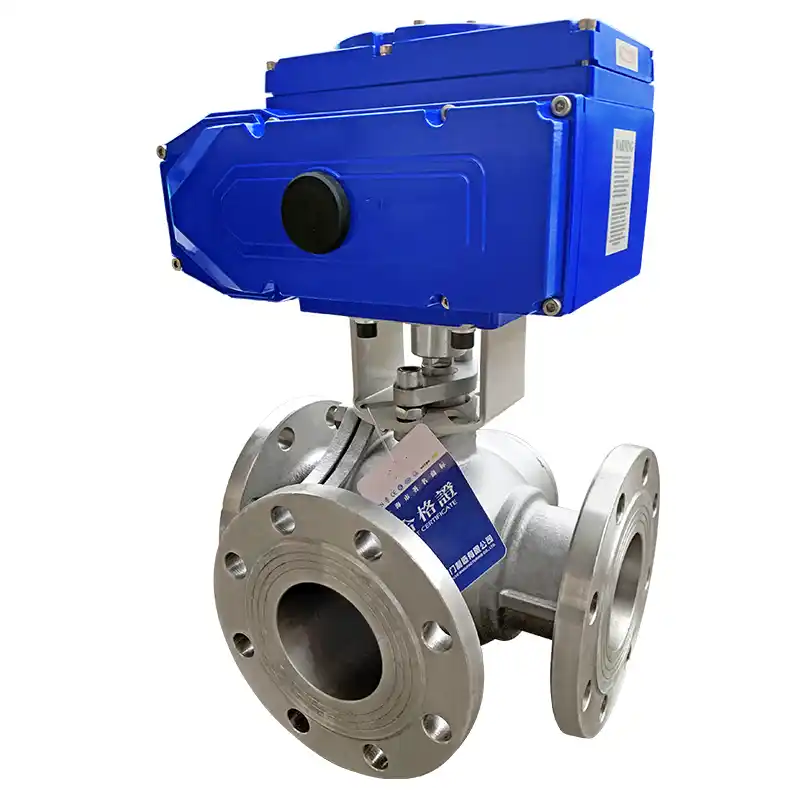

Ductile Iron Ball Valve with Epoxy Coating for Raw Water Intake Services
Ductile iron ball valve with high-solids epoxy lining resists chloride-bearing raw water. Used in Netherlands Limburg pumping station, DN600. Low life-cycle cost. Send inquiry.
Description
In raw water pump stations, river water intakes, and industrial recirculating cooling systems, valves are continuously exposed to media containing chlorides, dissolved oxygen, and suspended solids. Corrosion and erosion are the primary factors limiting service life. The ductile iron ball valve (also referred to as SG iron or nodular cast iron) addresses these challenges with a spheroidal graphite iron body combined with high‑performance anti‑corrosion coatings, offering significantly longer durability than grey cast iron or ordinary carbon steel under waterworks conditions.
Corrosion Mechanism and Coating Protection
Ductile iron derives its name from the spheroidisation of graphite, which produces fine, uniformly distributed nodular graphite particles. This microstructure provides an excellent anchoring surface for protective coatings—the coating material can penetrate between the graphite nodules and bond mechanically as well as chemically to the metal substrate, resulting in approximately 30 % higher adhesion strength compared to carbon steel surfaces. In addition, the graphite nodules themselves offer a mild cathodic protection effect in corrosive environments, helping to slow the progression of corrosion.
Our ductile iron ball valves feature a dual‑layer anti‑corrosion coating system:
-
Internal cavity: high‑solids epoxy resin, minimum thickness 400 μm
-
External surface: polyurethane topcoat or fusion‑bonded epoxy (FBE)
This coating system is certified to ISO 21809‑3 (external corrosion protection for buried pipelines) and NSF/ANSI 61 (materials for drinking water contact), making it suitable for buried, submerged, and above‑ground installations alike.
Key Technical Specifications
| Parameter | Specification |
|---|---|
| Nominal Diameter (DN) | DN50 – DN1200 (2″ – 48″) |
| Pressure Rating | PN10 – PN25 / Class 150 – Class 300 |
| Body Material | Ductile Iron (ISO 1083 JS/500‑7 / ASTM A536 65‑45‑12) |
| Ball Material | 304 / 316 Stainless Steel, chrome‑plated or hardened surface |
| Seat Material | Reinforced PTFE / NBR / Polyurethane |
| End Connections | Flanged (RF/FF) / Mechanical Joint (MJ) |
| Internal Coating | High‑solids Epoxy, thickness ≥400 μm (NSF/ANSI 61 certified) |
| External Coating | Polyurethane Topcoat / Fusion‑Bonded Epoxy (FBE) |
| Design Standards | AWWA C507 / EN 1074 / ISO 17292 |
| Temperature Range | –10 °C to 80 °C (standard) |
| Suitable Media | Raw water, river water (with chlorides), wastewater, industrial cooling water, seawater (with appropriate coating) |
Typical Applications
-
Intake and discharge lines at river, lake, and reservoir pump stations
-
Drinking water treatment plants and raw‑water pre‑treatment systems
-
Industrial recirculating cooling water circuits (chloride‑containing environments)
-
Municipal distribution networks and zone isolation
-
Inlet/outlet and sludge lines at wastewater treatment facilities
-
Buried or submerged pipeline isolation
Field Case – Meuse River Intake Pump Station, Limburg, Netherlands
At the water authority’s riverbank intake station on the Meuse River in Limburg, a DN600 ductile iron ball valve performs intake isolation and flow control duties. The river water has a seasonally varying chloride concentration of 200–400 mg/L and carries suspended sand and silt, which continuously erode and corrode the internal surfaces. In 2020, during a station refurbishment, a ductile iron ball valve with a high‑solids epoxy internal lining (≥400 μm) and a polyurethane external coating was selected.
After three years of service, the maintenance team carried out the first borescope inspection. The internal coating remained smooth and intact; only minor sand‑induced scratches were visible in the lower flow path area, none of which penetrated to the base metal. The external coating showed no blistering or peeling. The station’s maintenance supervisor noted in the log that, under identical raw‑water conditions, previously used carbon steel valves typically showed rust spots within two years, while the ductile iron valve exhibited clearly superior coating adhesion. The valve has now operated reliably for over four years, with an expected maintenance‑free service life of ten years or more before any coating touch‑ups become necessary.
Selection Guidelines
When choosing a ductile iron ball valve for waterworks applications, pay special attention to the following three points:
-
Coating quality is the decisive factor for corrosion life – For raw water with chlorides, specify a high‑solids epoxy internal coating with a thickness of at least 400 μm. The coating should be spark‑tested (holiday detection) before dispatch to ensure it is free from pinhole defects.
-
Ball material selection – In sandy raw water, opt for a 316 stainless steel ball with a hard surface finish (hard chrome or nickel‑chromium alloy) to prevent scoring that could compromise sealing performance.
-
Additional protection for buried installations – For underground service, the FBE external coating should be supplemented with a 3‑layer PE outer wrap or a coal‑tar epoxy plus fibreglass fabric reinforcement, and if needed, a sacrificial anode cathodic protection system should be provided.