









Solenoid Operated Ball Valve Fast Response Low Power Consumption

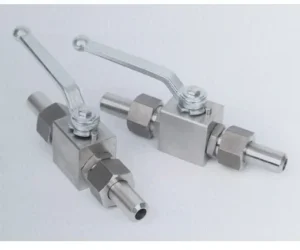
solenoid operated ball valve with fast response & low power, for sampling, irrigation and waste-water automatic control system.

Description

1. Product Overview
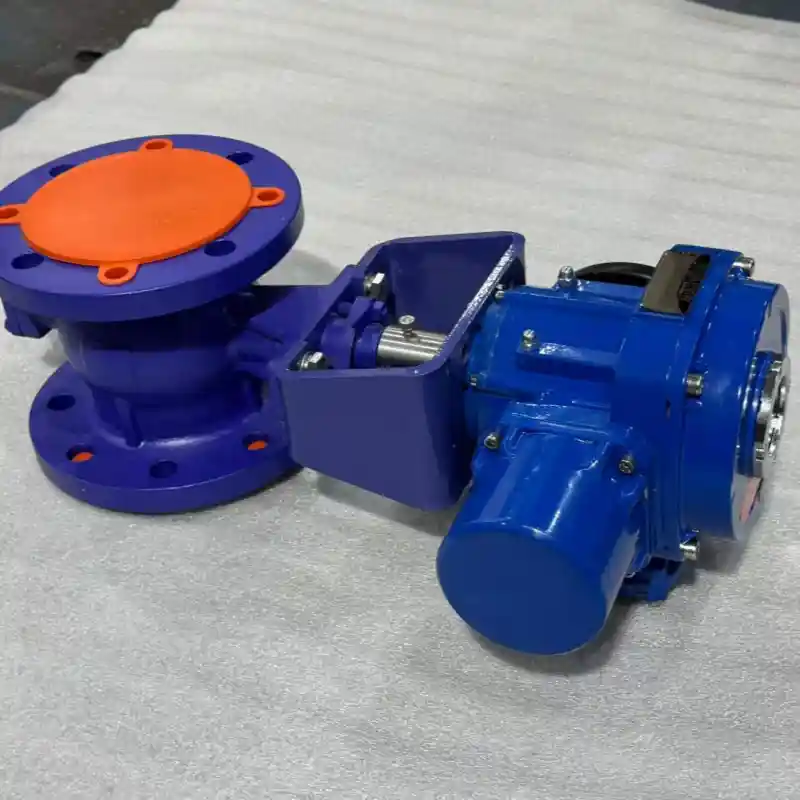
The solenoid operated ball valve is a solenoid‑pilot‑driven ball valve that uses an electromagnetic coil and pilot mechanism to rotate the ball 90° for on/off control – distinguishing it from motor‑reduction‑driven motorized ball valves. This design offers fast response and low power consumption, as the coil is energised only during switching transitions; no continuous power is needed to hold the valve position.

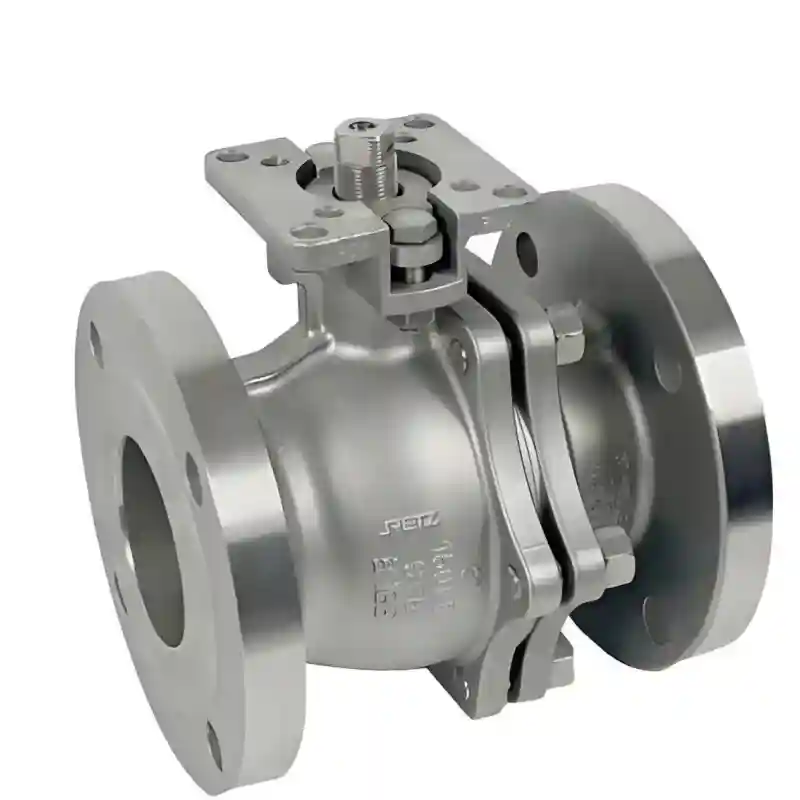
manual override is provided for local operation, and an optional spring‑return safety mechanism can be integrated. The valve accommodates both threaded and flanged connections. It is particularly suitable for applications requiring frequent flow‑path changes or where power supply is limited – commonly found in water quality sampling, smart irrigation, and wastewater treatment test rigs, effectively reducing the electrical load of automated systems.

2. Materials & Technical Specifications

Parameter Detail
Drive type Solenoid‑pilot driven
Common port sizes 1/4″ ~ 2″ (DN8–DN50)
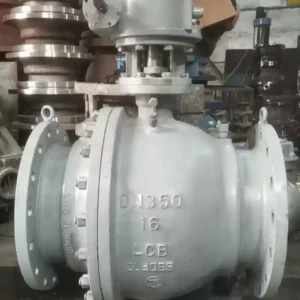
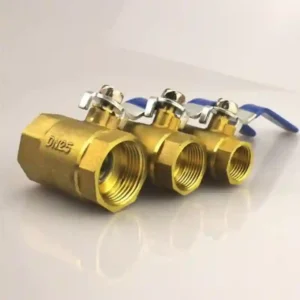
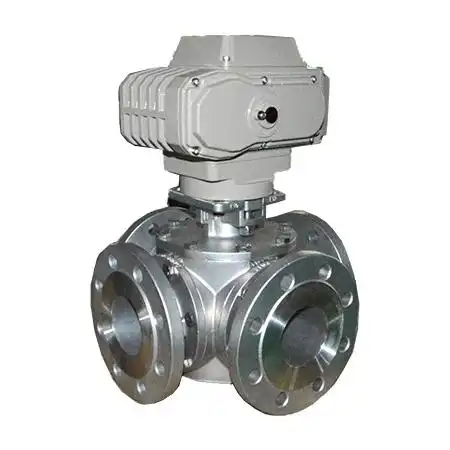
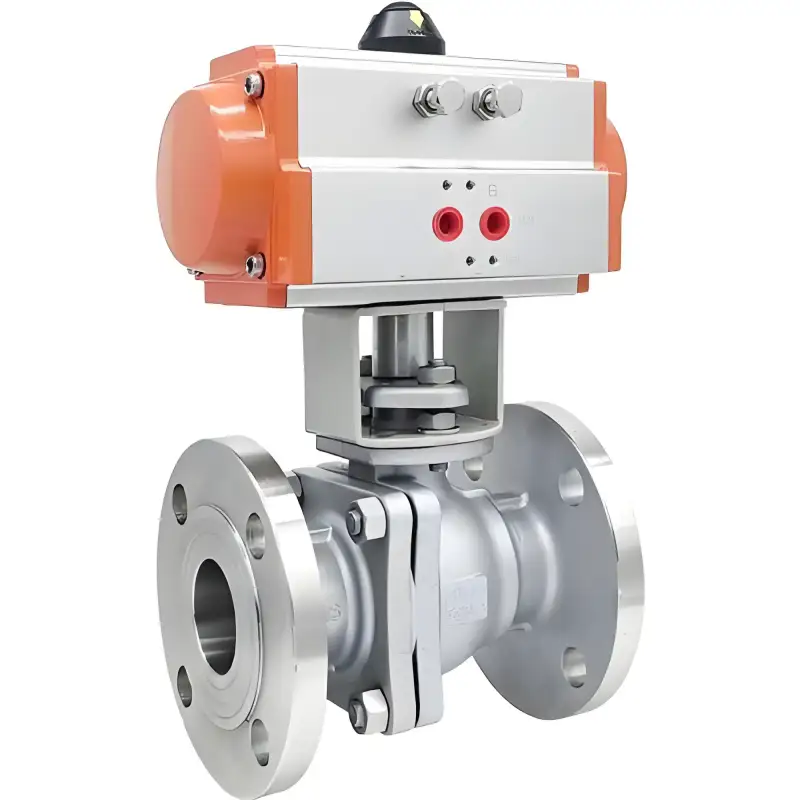
Connection type BSP / NPT threaded; flanged optional
Body material Brass / SS304 / SS316 stainless steel
Supply voltage DC12V/24V, AC110V/120V/220V
Control wiring 2‑wire control; optional 5‑wire position feedback
Key features Fast response, low power draw, momentary energisation
Optional functions Manual override, spring‑return fail‑safe
Working pressure 0.1–1.6 MPa
Medium temperature 0–90°C
Applicable media Water, irrigation fluids, some gases, mildly corrosive liquids

3. Application Scenarios
Typical uses include automated water sampling in laboratories, solar‑powered field sprinkler irrigation, small‑scale wastewater test stations, automatic tank drainage, light‑chemical auxiliary lines, water‑treatment equipment controls, and fire‑water make‑up auxiliary systems.

4. Real‑World Project Installations

  • Aqua‑Lab Valencia (water quality laboratory), Valencia, Spain – The sampling system incorporates the solenoid operated ball valve. The valve responds swiftly, ensuring smooth switching among multiple water‑sample lines; the coil consumes power only during actuation, while standby draw is negligible. For basic on‑off sampling units, the 2‑wire solenoid operated ball valve is chosen for its simple wiring and reduced cabling complexity.

  • Irrigate‑Smart MS (sprinkler equipment manufacturer), Mississippi, USA – Their field irrigation devices adopt this solenoid‑driven ball valve. Rapid opening/closing meets the demands of zoned irrigation switching, and the low‑power characteristic suits solar‑powered schemes without complex power cabling. When valve‑status signals are required for system logic, the 5‑wire solenoid operated ball valve is preferred.

  • Brno Wastewater Test Station, Czech Republic – The fluid‑switching lines at this station employ the solenoid operated ball valve for rapid medium‑path changes; the low power draw accommodates the site’s limited supply, ensuring long‑term stable operation. For corrosive water samples, the stainless steel solenoid operated ball valve is recommended.

5. Selection Guide & Distinctive Strengths
Two core features define this product:

  • Fast response – the solenoid‑pilot drive enables quick actuation, ideal for frequently cycled fluid circuits.

  • Low power consumption – the coil energises only during switching; holding the state requires no power, making it compatible with solar or battery‑based installations where energy is constrained.

For unattended field irrigation or drainage, the spring return solenoid operated ball valve provides automatic closure on power failure, preventing spillage.

Important note: This valve relies on a solenoid‑pilot structure and requires a minimum differential pressure to operate correctly. Always verify the site’s pressure conditions during selection.

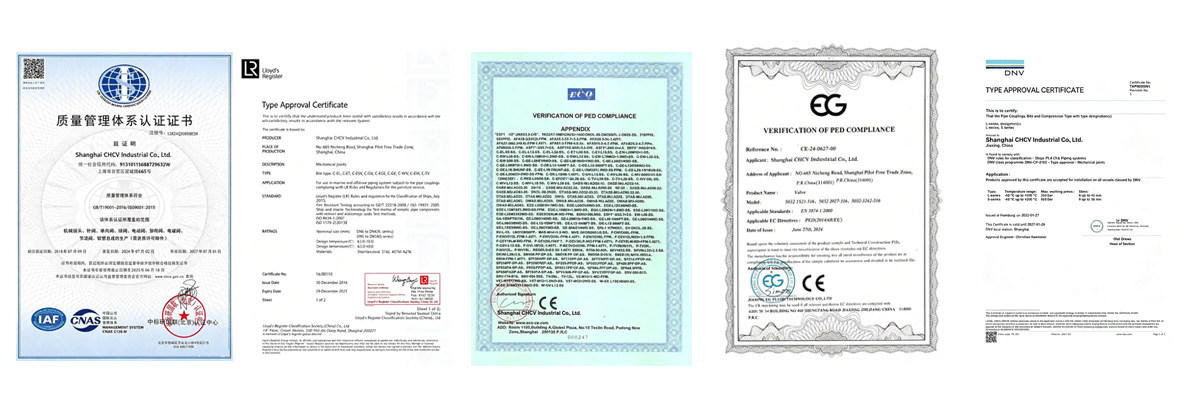
The product holds CE and RoHS certifications. We provide coil selection guidelines, dimensional drawings, and operating condition notes to facilitate OEM integration. Customisation options include port size, body material, and voltage; separate replacement coils are available to reduce future maintenance costs.