







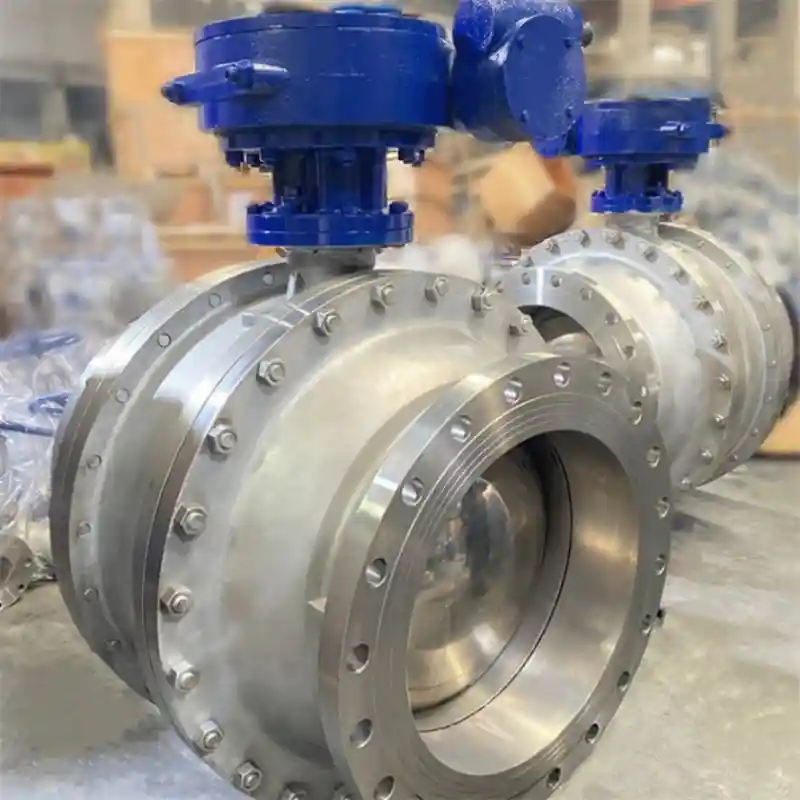
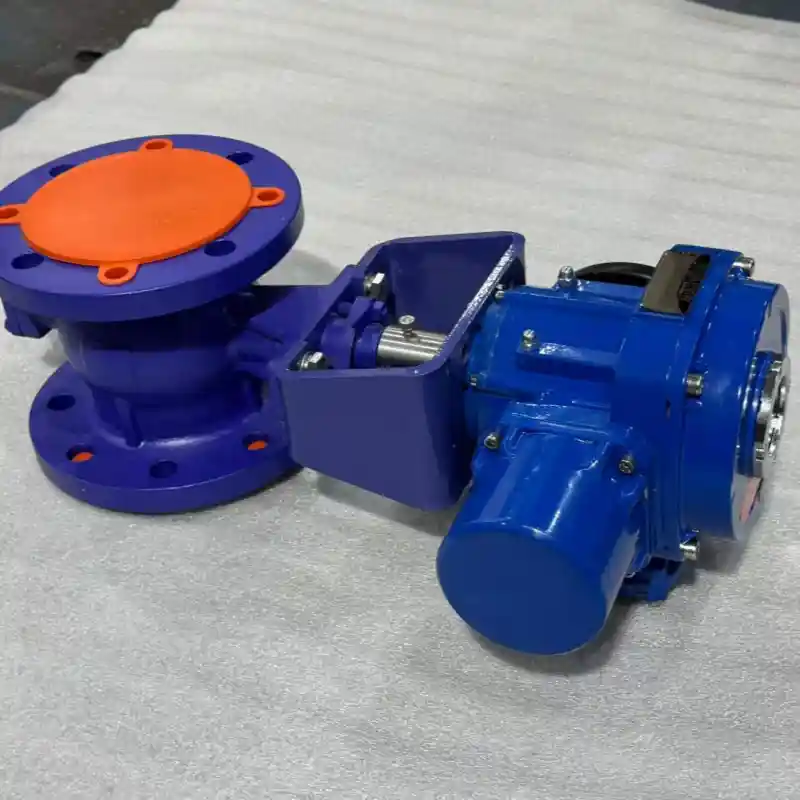
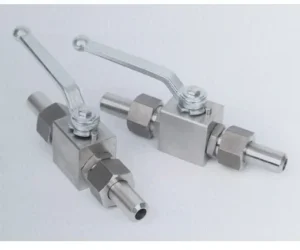
Pneumatic Ball Valve Price: Industrial Grade Quality at Competitive Cost

Discover competitive pneumatic ball valve price for industrial applications. API 607 fire-safe certified, heavy-duty actuated valves with reliable performance.

Description

In the field of industrial fluid control, pneumatic ball valves have become indispensable actuating elements in automated pipelines due to their fast switching, compact structure, and strong durability. For overseas buyers, while pneumatic ball valve price is certainly an important consideration, the more fundamental question is – does a low price mean inferior quality? This article will delve into the core value of industrial‑grade pneumatic ball valves, presenting the true meaning of “high cost‑effectiveness.”

What is a Pneumatic Ball Valve? – The Core Actuator for Automated Fluid Control
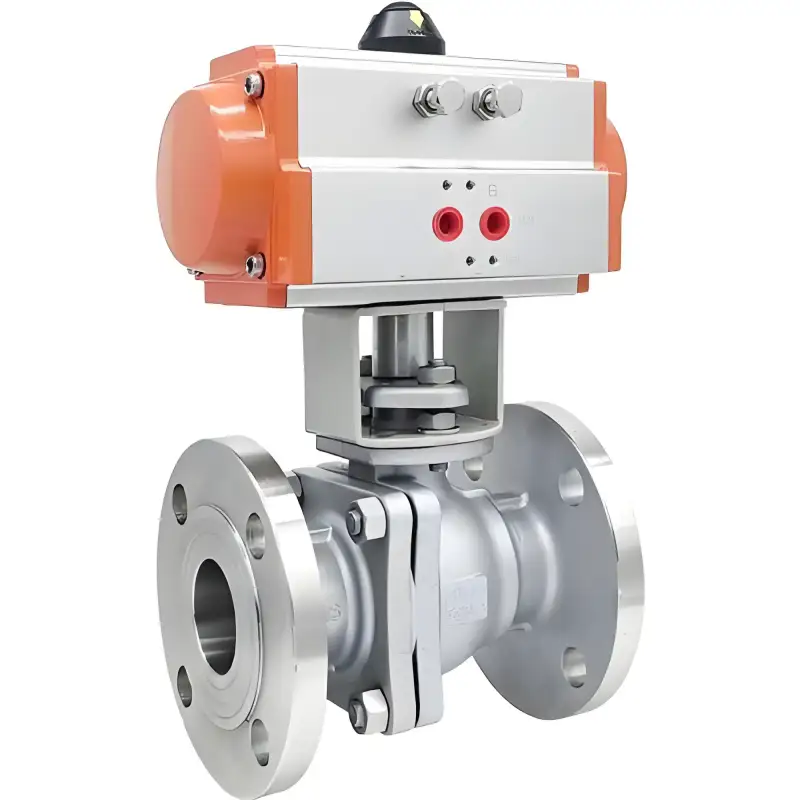
pneumatic actuated ball valve consists of a pneumatic actuator and a ball valve body. Compressed air drives the stem to rotate 90°, opening or closing the ball. Its key advantages are:

  • Fast switching: full‑stroke action takes only 1‑3 seconds, suitable for emergency shutdown scenarios.

  • Compact structure: compared to electric actuators, pneumatic actuators are smaller and lighter, requiring less installation space.

  • Fail‑safe: optional spring return mechanism automatically returns to a preset safe position (normally open or normally closed) upon air supply failure.

Based on seat material, pneumatic ball valves can be classified into soft‑seated (PTFE/RPTFE) and metal‑seated types. The former suits conventional temperatures and clean media, while the latter is designed for high‑temperature, abrasive, or particulate media, offering longer service life and greater adaptability.

Key Parameters and Selection Guide
The following table lists typical technical parameters for industrial‑grade pneumatic ball valves for reference:

Parameter Range Description
Body Material WCB Carbon Steel / CF8 / CF8M Stainless Steel / Duplex Stainless Steel Carbon steel for general service; stainless steel for corrosive or sanitary media
Nominal Diameter DN15 ~ DN300 (1/2″ ~ 12″) Customizable; large diameters require trunnion‑mounted design
Pressure Rating PN16 / PN25 / PN40 / Class 150 / 300 / 600 Determines wall thickness and sealing design
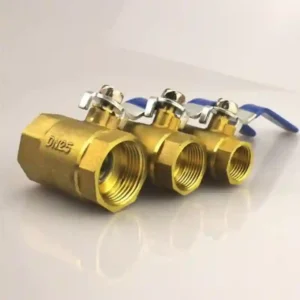
Connection Type Flanged (RF/FF), Threaded (NPT/BSPP/BSPT), Welded (BW/SW), Tri‑Clamp Flanged for medium‑high pressure; threaded for small bore; Tri‑Clamp for sanitary systems
Actuator Type Double‑acting / Spring Return Spring return for fail‑safe protection (e.g., gas or hazardous media)
Seat Material PTFE / RPTFE / PEEK / Metal‑sealed (Stellite/Inconel coated) PTFE for –20°C ~ 180°C; PEEK for higher temps; metal for abrasive/high‑temp
Operating Temperature –20°C ~ +250°C (soft) / –40°C ~ +550°C (metal) High temperature requires metal seal and heat‑dissipating bracket
Applicable Media Water, oil, gas, steam, corrosive liquids, powders, slurries, etc. Select seal/body based on media properties to avoid corrosion or erosion
Explosion Proof Ex d IIB T4 / Ex db IIB T6 (optional) For hazardous areas with flammable gases (oil, chemical, etc.)
Fire Safety API 607 / ISO 10497 certified Validated by fire test to maintain some sealing after seat damage


Application Scenarios: Which Industries Rely on Pneumatic Ball Valves?
Due to their wide adaptability and high reliability, pneumatic ball valves are used in the following industries:

  • Oil & Gas: wellhead gathering, long‑distance pipeline emergency shutdown, refinery heater fuel‑gas regulation – often require API 6D and fire‑safe design.

  • Chemical & Petrochemical: on‑off control of corrosive media (acids, bases, solvents) – often use fully lined PFA/FEP or Hastelloy bodies to resist strong corrosion.

  • Power & Energy: boiler soot‑blowing, FGD slurry lines, cooling water systems – metal‑sealed ball valves ensure long‑term stable operation under high temperature/pressure.

  • Water & Environmental: aeration control in WWTPs, high‑pressure shut‑off for RO systems – for general service, WCB body with PTFE seal suffices.

  • Food & Pharma: CIP/SIP cleaning, sterile media transfer – typically require 316L stainless steel and Tri‑Clamp connections, compliant with FDA and EHEDG.

  • Metallurgy & Mining: slurry conveying, dust handling – often use V‑port ball valves for regulation with wear‑resistant coatings.

Common Procurement FAQs

Q1: What are the main differences between low‑cost and high‑quality pneumatic ball valves?
A: Differences lie in three areas:

  • Seat material grade: low‑cost valves use virgin PTFE, while high‑quality use RPTFE (reinforced) or PEEK, offering better creep resistance and temperature stability. RPTFE with glass or carbon fibre increases stiffness, reducing deformation under high cycling.

  • Ball precision: low‑cost balls have higher roundness tolerance (up to 0.05 mm), causing uneven sealing pressure and internal leakage risk. High‑quality valves use CNC precision machining, roundness ≤0.01 mm for long‑term sealing reliability.

  • Actuator life: low‑cost actuators have inferior piston seals and yoke materials – life ~50k cycles; industrial‑grade actuators use imported seals and hardened yokes, design life >500k cycles.

Q2: How to judge the quality grade of a pneumatic ball valve?
A: Evaluate from three dimensions:

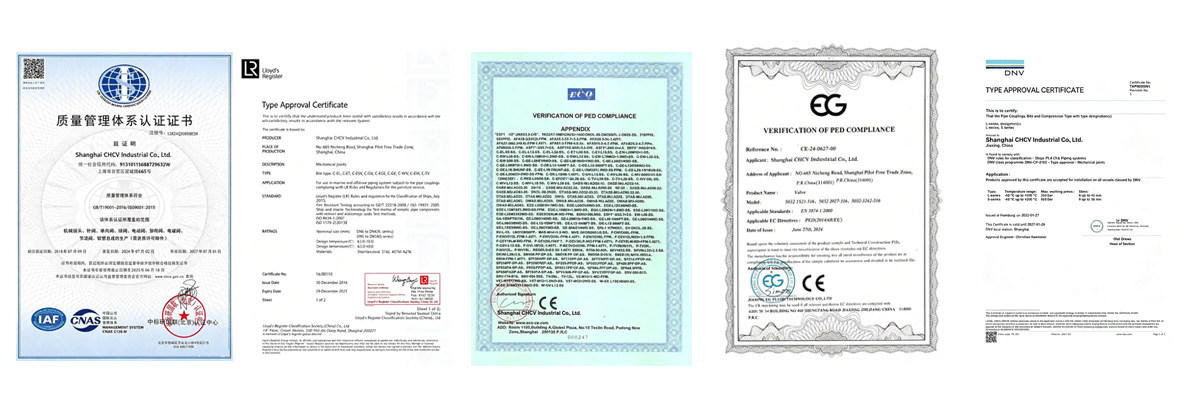
  • Certifications: check for API 607 fire‑safe, ISO 15848 low‑emission, PED 2014/68/EU or CRN registration – these indicate rigorous third‑party testing.

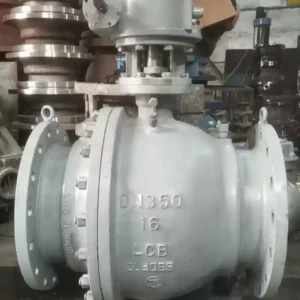
  • Body markings: high‑quality valves have material grade (e.g., WCB, CF8M), pressure class, size, and heat number cast or laser‑engraved for full traceability.

  • Factory test reports: genuine valves come with hydrostatic shell test and low‑pressure air seat test records, compliant with API 598 or EN 12266.

Why Choose CHCV Pneumatic Ball Valves?
CHCV is committed to providing industrial‑grade, API 607 fire‑safe certified pneumatic ball valves to global customers. From raw material inspection to final testing, we maintain strict quality control throughout. We not only offer competitive pneumatic ball valve price but also ensure every valve withstands the harshest conditions through:

  • Precision machining: balls machined on imported CNC equipment, roundness ≤0.01 mm – ensuring zero internal leakage over long service.

  • 100% pressure testing: each valve undergoes shell strength and low‑pressure seal tests before shipment, with traceable test reports.

  • Flexible customization: special materials, connections, explosion‑proof ratings available to meet specific engineering requirements.

Choosing CHCV means you get not just a pneumatic ball valve, but full‑lifecycle technical support and service from a leading Chinese industrial valve manufacturer.