








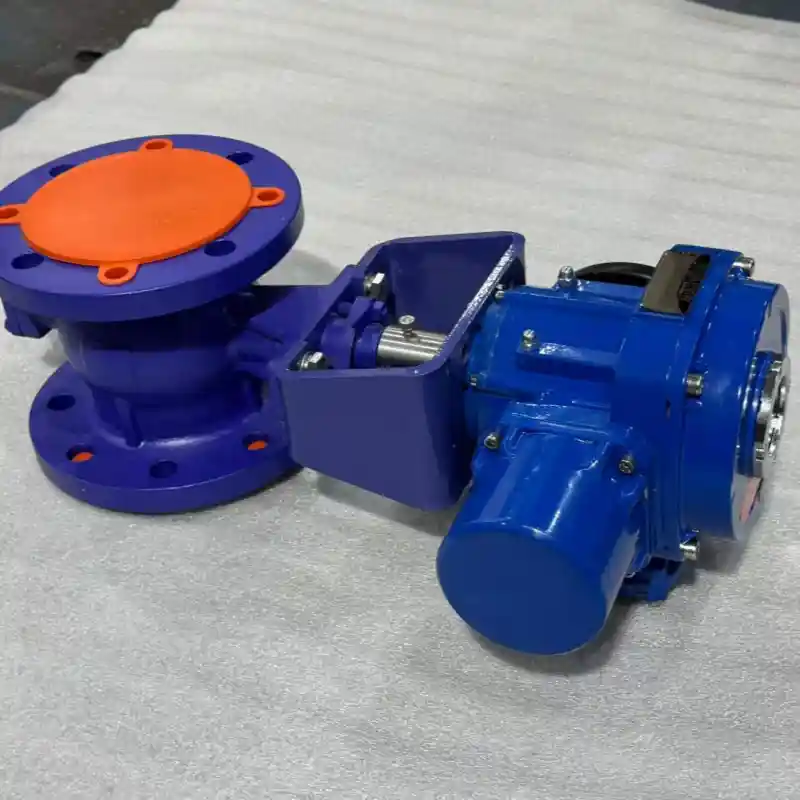
Pneumatic Control Ball Valve Low Flow Resistance For Process Flow Regulation

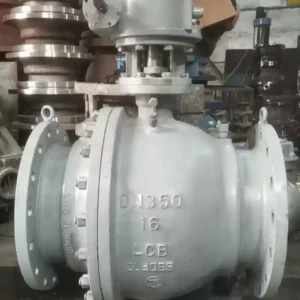
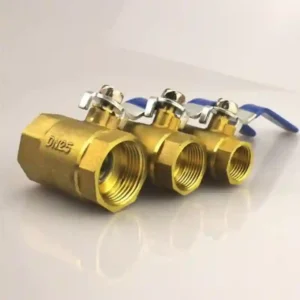
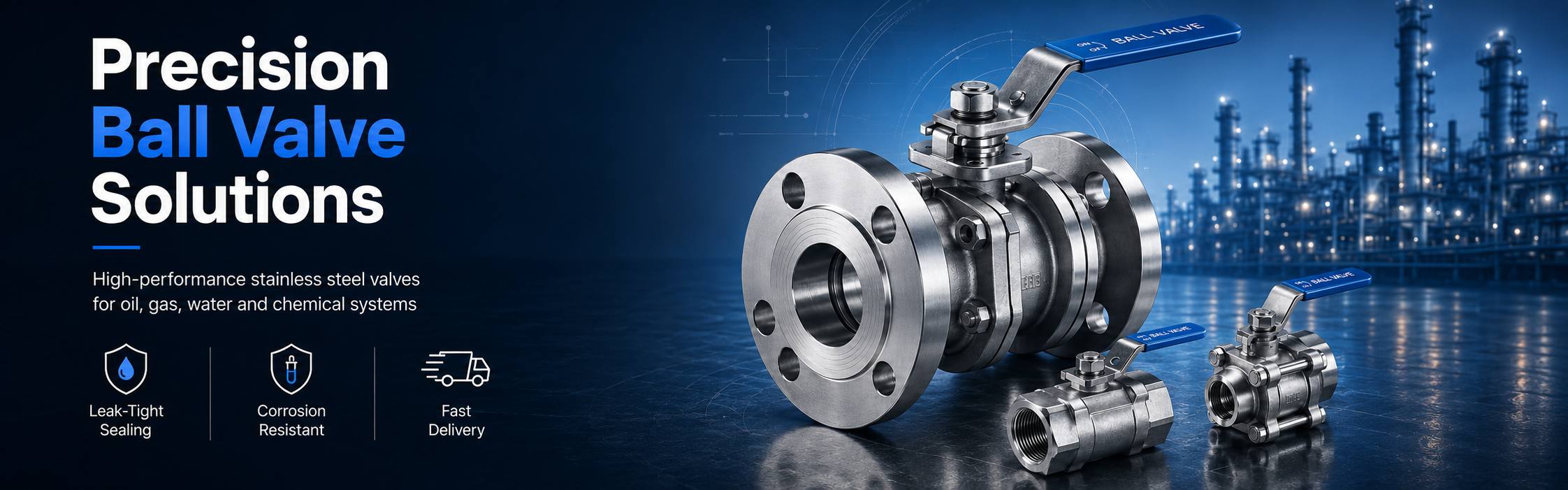
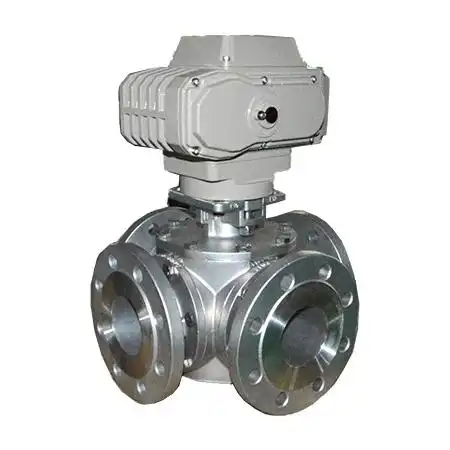
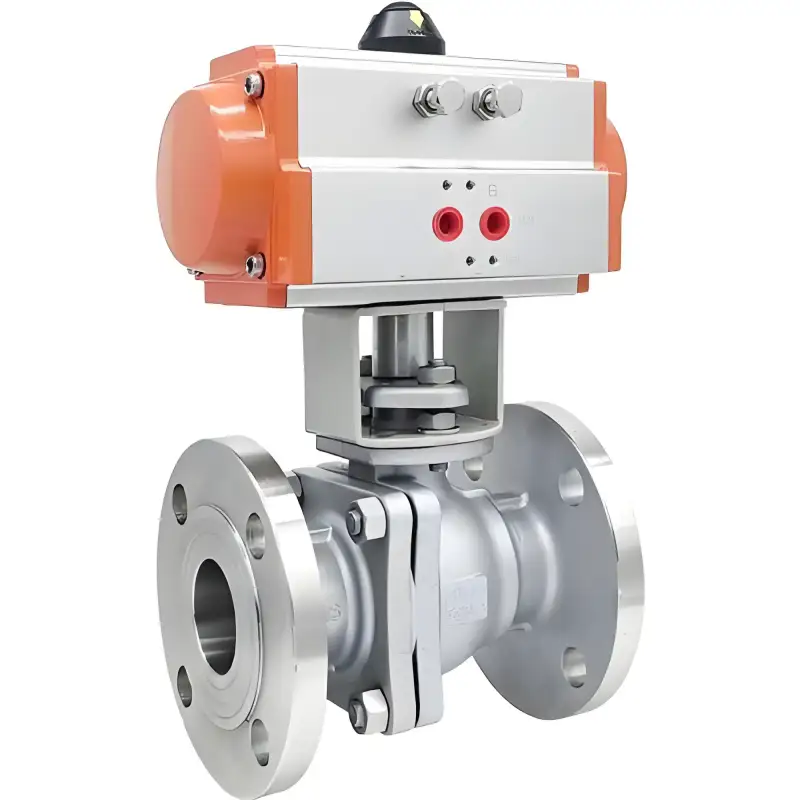
pneumatic control ball valve with low flow resistance, for on-off and proportional flow control in industrial process pipelines.

Description

1. Product Overview
The pneumatic control ball valve uses a pneumatic actuator to rotate the ball, enabling both rapid on/off shut‑off and – when paired with a valve positioner – continuous proportional flow modulation. Its low‑resistance flow path ensures minimal pressure loss across the valve, reducing system energy consumption.

Actuators are available in double‑acting and single‑acting spring‑return types; the latter provides fail‑safe closure upon air supply failure. Optional accessories such as valve positionersolenoid valves, and limit switches allow the valve to accept standard industrial signals for integration with DCS or PLC control systems. With flanged or NPT/BSP threaded connections, it is widely used in chemical processing, water treatment, heat‑exchange systems, and other industrial pipelines requiring flow regulation.

2. Materials & Technical Specifications

Parameter Detail
Nominal sizes DN15 – DN150 (1/2″ – 6″)
Drive type Pneumatic actuator
Actuator type Double‑acting / Single‑acting spring return
Optional accessories Valve positioner, solenoid valves, limit switches
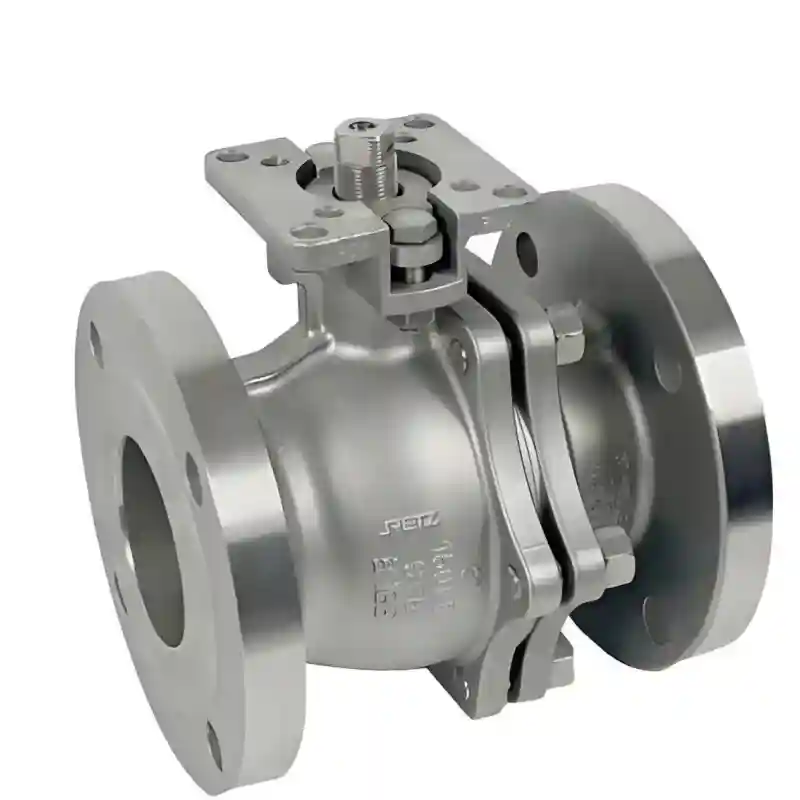
Connection BSP/NPT threaded; flanged optional
Body material WCB carbon steel / SS304 / SS316 stainless steel
Air supply pressure 0.4–0.7 MPa
Key features Low‑flow‑resistance path, supports both shut‑off and proportional flow control
Working pressure 0.1–6.4 MPa
Medium temperature –29°C ~ 180°C
Applicable media Process water, chemical raw materials, oil‑gas, circulating media, mildly to moderately corrosive fluids

3. Application Scenarios
Typical uses include chemical process lines, water‑treatment flow control systems, heating and heat‑exchange circuits, oil‑gas auxiliary processes, food and pharmaceutical fluid regulation, skid‑mounted automation equipment, metallurgical fluid control systems, and industrial process automation pipelines.

4. Real‑World Project
At the Process‑Control Porto chemical plant in Porto, Portugal, the pneumatic control ball valve was deployed in bulk on flow‑regulation lines. The low‑resistance flow path effectively reduces media pressure drop, ensuring smooth flow even at partial opening positions. For basic on‑off duties, the double‑acting pneumatic control ball valve is used for standard line switching.

5. Selection Guide & Distinctive Strengths
The core strength lies in its low‑flow‑resistance design – the unobstructed internal passage minimises pressure losses and system energy consumption, while also avoiding flow distortion even under partial‑stroke regulation. This valve combines shut‑off capability with proportional control, making it adaptable to complex industrial process demands.

  • For fail‑safe protection on air supply failure → choose the spring‑return pneumatic control ball valve.

  • For corrosive media → prefer the stainless steel pneumatic control ball valve.

  • For precise proportional regulation → configure with the positioner pneumatic control ball valve.

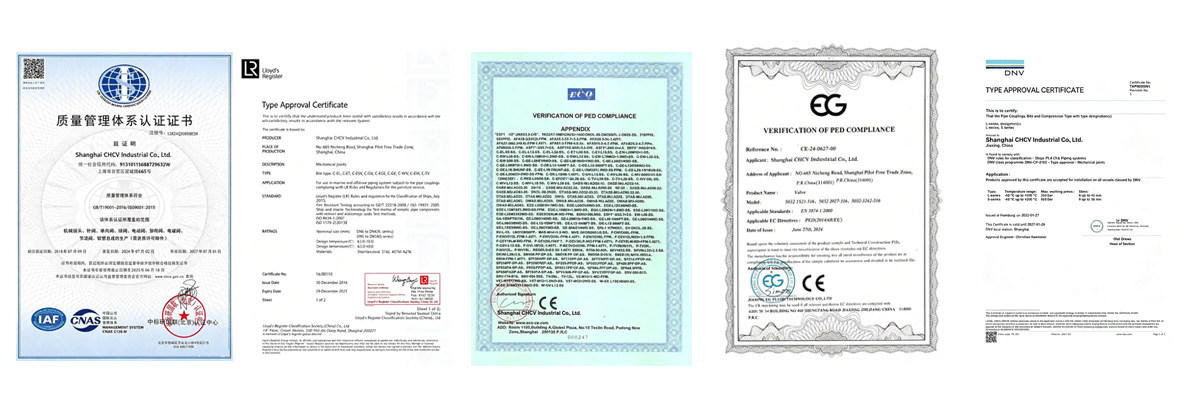
Note: When used for proportional control, ensure the valve positioner is correctly sized. Low flow resistance does not imply unlimited differential pressure capability – verify pressure‑drop and torque parameters during selection. The product complies with CE and ISO industrial standards. We provide flow coefficient data sheets, dimensional drawings, and wiring/commissioning manuals to facilitate system design and on‑site acceptance for process‑control engineering contractors. Bulk orders are welcome, and actuators, positioners, and seal kits can be purchased separately to minimise maintenance downtime.