
Brass Ball Valve Parts and Functions: What to Check
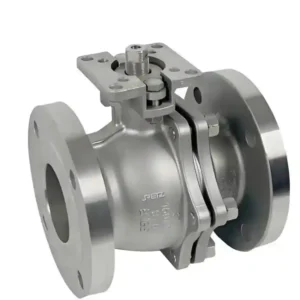
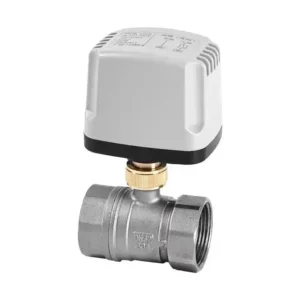
Brass ball valve parts are useful checkpoints for procurement, repair, and receiving. A ball valve is usually more than “a brass body and a handle”: the body carries the connection and medium boundary, the ball forms the flow path, the stem transfers movement, the seats and seals provide shutoff, and the handle or actuator provides operation and position indication. A mismatch in any one of these parts can make valves with the same nominal size non-interchangeable.
The parts must be considered together with the specific construction. Two-piece, three-piece, full-port, and reduced-port designs can have different end connections and disassembly methods. The handle, stem, and packing of a small-bore product may also not be interchangeable with another series. For air, water, or special media, judge the body, internal parts, and sealing materials as one combination.
How Should a ball valve parts description Be Read?
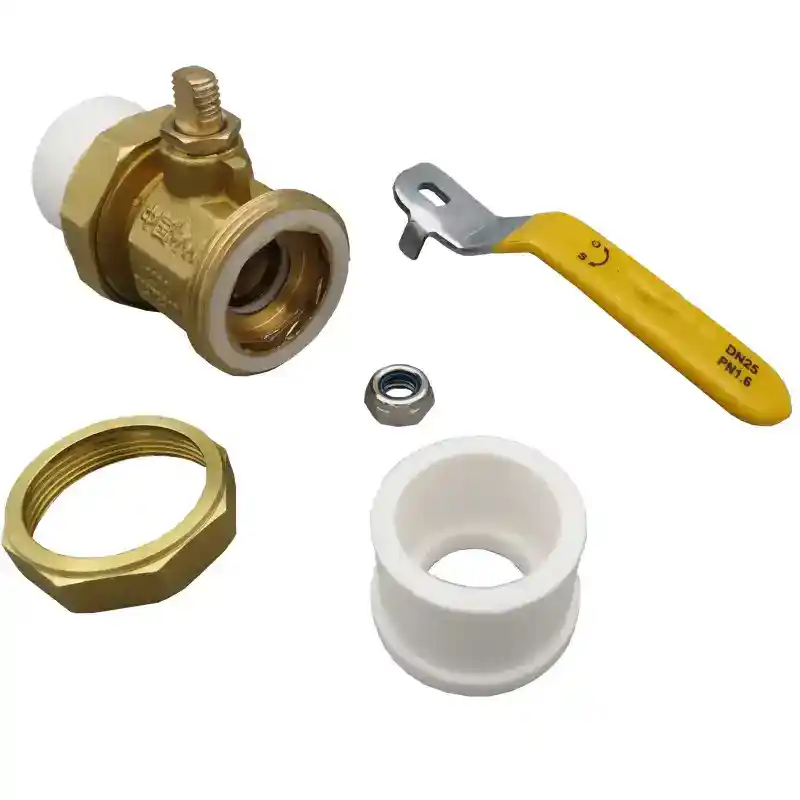
The most useful way to read a ball valve parts description is to match each part name with its function. Check the body for connections, strength, and the medium path; the ball for bore and surface; the stem for transmission and sealing; the seat for shutoff and temperature boundary; the seals for compatibility; and the handle for operation and position. Explosion views, model tables, and markings on the product should correspond with one another.
How Do the Ball, Seat, and Stem Interact in ball valve parts explained?
Ball valve parts explained cannot treat the ball and seat as separate items. The stem rotates the ball, and the fit between ball and seat determines operating friction and the closed condition. If pipe stress, contamination, or thermal cycling changes alignment, both stem feel and sealing can be affected. When buying repair parts, confirm the same series and nominal size.
How Do 2 piece ball valve parts Relate to Complete-Valve Replacement?
2 piece ball valve parts generally include the body connection, ball, stem, seats, seals, and handle, but part dimensions are not universal across manufacturers. Before repair, confirm the separable construction, model, size, materials, and seal combination. If there is no parts drawing or original matching information, replacing the complete valve may be more controllable than mixing parts.
Do 3/4 inch ball valve parts Need to Be Confirmed by Dimension?
3/4 inch ball valve parts cannot be purchased from nominal size alone. Body length, stem height, handle mounting hole, seat outside diameter, and end connection may all differ. If a ball, seat, or handle is to be replaced, provide the old part photograph, model marking, connection standard, and dimensional drawing to the supplier to avoid a mismatch between the same size and different series.
How Are ball valve handle dimensions and ball valve handle flow direction Used?
Ball valve handle dimensions determine operating space around a panel, insulation, and adjacent fittings. Ball valve handle flow direction helps relate handle position to the flow-path state. After installation, confirm that the handle can reach its full positions, that the position marking is clear, and that collision, an extension, or a cabinet does not leave the handle in an intermediate state.
📌 Case Setting: Johor Rotating-Equipment Spare-Part Identification
Southern Tech Engineering (M) Sdn. Bhd. publicly describes maintenance of rotating equipment such as pumps, compressors, and turbines, together with mechanical-seal refurbishment, pump testing, machining, and metal fabrication. In this case setting, its maintenance team receives a batch of brass ball valves with incomplete model labels and prepares a spare-parts list for commonly serviced equipment. The CHCV approach does not match parts by appearance. It records body length, end thread, stem section, handle dimensions, and seat position, then compares them item by item with brass ball valve parts drawings. Only balls, stems, seats, or seals that can be tied to a specific series enter the repair purchase list.
Parts Verification Sheet
Put the model, size, construction, end connection, body and internal materials, ball bore, stem, seat and seal, handle dimensions, installation direction, and document number on the same line. Procurement, warehouse, and maintenance personnel can then use the same identification fields instead of handing over an item using only the words “brass ball valve.”
For product and technical reference, visit CHCV. Related reading: Brass Ball Valve Repair.