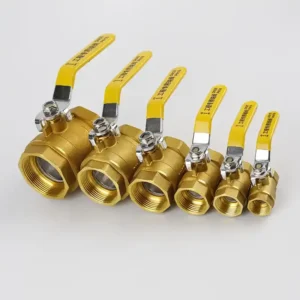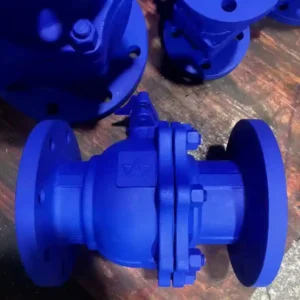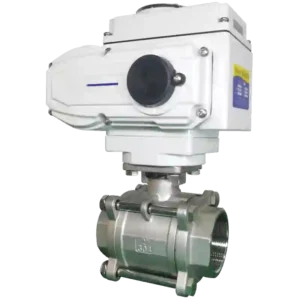

Panel Mount Brass Ball Valve: Hole and Thread Checks
A panel mount brass ball valve is not simply a small-bore ball valve pushed through a panel. Panel mounting adds conditions for the retaining nut, support shoulder, hole diameter, panel thickness, and handle operating space. FNPT also means that the female-thread standard and matching male thread must be confirmed together. A suitable solution must satisfy both the flow path and the mechanical fixing; it is not enough that the valve can be screwed in.
These valves are common on small equipment, instrument cabinets, utility-water branches, and compressed-air control panels. If the pipes on both sides are long, heavy, or subject to vibration, the panel cannot carry the pipe load by itself. Before installation, define pipe supports, body orientation, handle rotation, and the future removal path. In particular, do not allow the handle to sit against the cabinet wall and stop before reaching its full position.
How Should the Panel Hole for a 3/8″ panel mount ball valve Be Confirmed?
The hole for a 3/8″ panel mount ball valve cannot be calculated from nominal port size alone. Check the manufacturer’s mounting-hole diameter, retaining-nut size, permitted panel thickness, body shoulder, and end-centre line. If the panel already has a hole, measure its actual diameter and thickness first, then ask the supplier whether a washer or special nut can adapt it. Do not enlarge the hole on site and then accept the resulting eccentric load without review.
How Is a 3/8″ fnpt brass ball valve inline Different from a Panel-Mount Version?
A 3/8″ fnpt brass ball valve inline describes a straight flow path and FNPT connection; it does not automatically include panel-fixing hardware. A panel-mount version also needs a mounting thread, support shoulder, or retaining part. Write “flow-path connection” and “panel mounting method” as separate fields in the quotation, or the same nominal size may produce an ordinary inline valve that cannot be fixed to the panel.
What Drawings Should panel mount ball valve suppliers Provide?
When requesting a quotation from panel mount ball valve suppliers, obtain at least the overall dimensions, end connections, mounting hole, permitted panel thickness, handle height, rotation direction, and pipe-support recommendation. For a 3 way panel mounted ball valve, also confirm the orientation of all three ports, the flow-path positions, and the panel operating marks. A two-way valve hole drawing cannot replace the drawing for a three-way valve.
Why Can high pressure panel mount brass ball valve Not Be Judged by “High Pressure” Alone?
The actual capability of a high pressure panel mount brass ball valve depends on the specific body, seats, connections, temperature, and manufacturer data. Panel-fixing strength, pipe vibration, and the sealing method can also affect system performance. The procurement file should require the exact model and pressure-temperature table rather than turning a general “high pressure” label into a fixed number or project promise.
📌 Case Setting: Selangor Food-Factory Utility Panel Retrofit
Creators Food publicly describes its Selangor food OEM, ODM, contract-manufacturing, and export activities and operates several automated production lines. In this case setting, the maintenance team prepares to add an isolation point to a non-product-contact utility-gas control cabinet. The CHCV approach selects a panel mount brass ball valve and first checks the cabinet-door thickness, mounting-hole diameter, end standard, handle clearance, and short-pipe support on both sides. The valve is explicitly kept outside the product path. Testing checks full handle movement, threaded-joint leakage, and interference with cabinet-door operation.
Panel Fit-Up Card Before Ordering
Put the panel material and thickness, mounting-hole diameter, body envelope, end standard, pipe outside diameter, handle clearance, support locations, medium, and test method on one fit-up card. This makes it possible to find a hole or handle conflict before the panel is machined instead of waiting for the valve to arrive and then reworking the assembly.
For product and technical reference, visit CHCV. Related reading: Brass Ball Valve Installation.