
Brass Ball Valve Price List: Compare More Than Price
A brass ball valve price list should be read from the configuration first, not from the lowest unit price. A brass ball valve quotation usually combines nominal size, bore, end connection, body and internal materials, seat and seal combination, handle style, surface finish, inspection documents, and packaging. Placing numbers from different configurations in one column can make specification differences look like supplier price differences.
A useful price list should let a purchaser identify which model each number belongs to. If a sheet only says “brass ball valve” and shows an amount, without a model, dimensions, connection, or material notes, it gives little basis for later quotation, replacement, or receiving checks. A price list is a screening tool; it does not replace product data, drawings, or order confirmation.
Why Can’t “brass ball valve prices” Be Compared Directly?
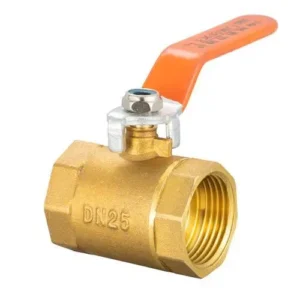
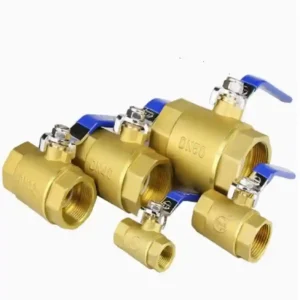
brass ball valve prices may refer to one-piece, two-piece, full-port, or standard-port bodies. They may also refer to female-threaded, male-threaded, welded, or other connection forms. Even when two products show the same nominal size, their body length, ball passage, seat combination, and handle clearance may differ. First group the products by the same technical fields, and only then compare the price difference.
What Fields Should “brass ball valve quotes” Include?
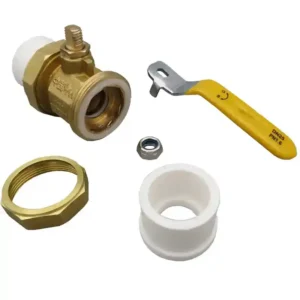
brass ball valve quotes should preferably list the model, nominal size, connection standard, end orientation, bore, body material, ball and stem materials, seat and seals, handle, quantity, and any required inspection or material documents. If an adapter, union, sealing material, or special handle is required, list it as a separate item. This prevents necessary accessories from being hidden in the notes or different delivery scopes from being mistaken for the same product.
How Can “brass ball valve buyers” Build a Comparable Quote Sheet?
brass ball valve buyers can start with a fixed-field inquiry sheet and send the same information to different suppliers. Record the medium and service location first, then size and connection, materials and sealing combination, operation and document requirements, and only then unit price, quantity, and delivery conditions. Even for a valve used only for general utility water or air isolation, state that it is outside the product medium path so suppliers do not quote against the wrong sanitary or special-medium conditions.
How Does “brass ball valve npt price” Relate to Connection Conditions?
brass ball valve npt price cannot be read separately from the thread form. Confirm whether the ends are FNPT, MNPT, or another combination, whether nominal size matches the pipe, and whether effective thread length and installation access suit the site. NPT, BSP, and other standards are not interchangeable just because they look similar. If the quotation includes an adapter, confirm the adapter material, thread, and sealing method separately.
Use “brass ball valves price range” Only for Initial Screening
brass ball valves price range can help a purchaser spot an unusually high or low quotation, but it cannot by itself prove that a model is more durable, suitable for high temperature, or covered by a particular certification. The range is affected by quantity, purchasing region, materials, machining, seats, handles, inspection documents, and packaging. Without a matching model and supporting data, neither a low price nor a high price is a technical conclusion.
Application Case
Zantech Sdn Bhd worked with CHCV on a quotation breakdown for a utility-water branch upgrade at a small equipment-maintenance station in Johor. Public business information describes the company as providing pump repair, maintenance, and field services. The purchasing team needed to replace several manual isolation valves while retaining a compressed-air branch for a sample workbench. The team placed the medium, size, thread, operating frequency, and installation clearance for the two locations in one inquiry sheet, and asked suppliers to list the base valve, adapters, sealing materials, and inspection documents separately. Because the valves were outside the food and beverage product path, the team did not treat a general utility-water valve as a sanitary product. If the use later changes, the material and connection requirements must be reviewed again. CHCV helped define the quotation breakdown so that each location could be traced to its medium and installation conditions, avoiding mixing or omissions between branches.
What Else Should Be Checked Before Ordering from a “brass ball valve pricelist”?
The final step is to return to the exact model. Match the model on the price list against the product image, dimensional drawing, material list, connection notes, and inspection documents. Confirm whether the handle, seat, seals, and end accessories are included. If the documents show different sizes, connections, or materials, do not fill the gap with an average price; ask the supplier to reconfirm.
Final Purchasing Decision
A brass ball valve price list helps a purchaser build a comparison framework, but the ordering decision still depends on the relationship between the model, service conditions, and documents. Write down the medium, size, connection standard, materials, seals, operating method, and receiving requirements before comparing the amount in a brass ball valve price list. A quotation without a complete configuration is only a lead, not a final purchasing basis. For a broader product reference, visit CHCV. For related flow and specification checks, read Brass Ball Valve Specification.