
Brass Ball Valve NPT Replacement: Drain Checks
Brass ball valve NPT replacement is not simply a matter of removing the old valve and threading in a new one. A valve with a drain port handles both main-line isolation and release of retained medium. Confirm the NPT connection, drain direction, plug or small-valve form, seals, maintenance access, and discharge route. A drain port is not automatic pressure relief and cannot replace a complete safe-venting procedure.
The main valve and drain port should be checked as one model but recorded as separate interfaces. If the medium is hot water, a chemical, compressed air, or a product-contact fluid, review discharge risk and material compatibility separately. Body, drain seal, and end fitting information should come from the same technical record.
What Should “1/2″ fnpt brass ball valve with drain port” Include?
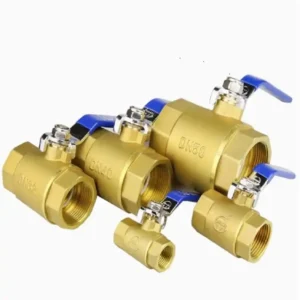
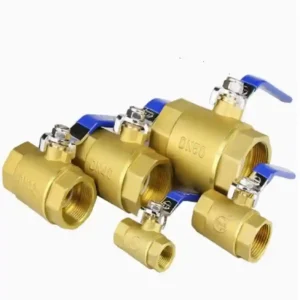
A 1/2″ fnpt brass ball valve with drain port requires more than the main FNPT size. Confirm the drain-end connection, plug, hose fitting, and tool clearance. The same main-line size does not make drain accessories interchangeable. If a hose is connected, provide restraint and a safe discharge direction so the hose cannot whip toward the operator.
How Do You Decide “ball valve with drain port or not”?
The choice of a ball valve with drain port or not depends on whether the section must be drained, sampled, cleared of residual liquid, or checked for trapped pressure before maintenance. If the system already has an independent drain, an additional port may add a leak and maintenance point. If equipment regularly retains liquid, the port may improve service access. Draw the isolation section and discharge route first.
What Does a “drain port nbr seal ball valve” Require?
A drain port nbr seal ball valve description gives an NBR material clue, not proof of suitability for every medium and temperature. Confirm the drain seal, main seat, stem seal, and medium compatibility, then check the manufacturer’s service boundary. Special cleaning, oxygen service, and hygiene requirements require a separate material review.
What Changes When You “add ball valves to drain port on pump”?
When you add ball valves to drain port on pump, check the load relationship between the pump, pipe, drain outlet, and valve. The drain handle must be accessible without touching the pump casing or motor. The discharge direction must be safe, and the shutdown and isolation sequence must be written into maintenance steps. A drain point must never be treated as proof that equipment is depressurized.
What Should a “3/4″ threaded ball valve with drain” Drawing Show?
A 3/4″ threaded ball valve with drain drawing should show the main connection, drain outlet, plug or small valve, centerline, handle envelope, and discharge direction. Use the drawing to separate the main passage from the drain accessory during replacement and receiving inspection.
📌 Case Setting: M.E.T Pump-Service Drain Isolation Review
M.E.T in Butterworth provides pump consultation, maintenance, and repair services. In this case setting, its workshop works with CHCV on drain isolation for a small pump assembly that is emptied regularly. The maintenance team numbers the main isolation point, drain point, and hose-guiding point separately. Procurement first confirms the 1/2-inch FNPT main connection, then checks drain direction, the NBR seal clue, plug, and tool space. After the brass ball valve NPT replacement, the controlled sequence is stop, isolate, confirm no pressure, guide the discharge, drain, and restore. The record keeps connection, seal, and operating-space data together without applying the same NPT valve information to another medium, temperature, or pressure branch.
Separate the Drain Port from the Main Passage
Write the main passage size, NPT thread, seat and seal, and drain-port specification as separate order fields. A matching main-valve size does not prove that the drain accessory can be exchanged. Consider the existing discharge point, residual-medium risk, and maintenance frequency; hot water, chemicals, and compressed air require their own venting and material review.
For product and technical reference, visit CHCV. Related reading: Brass Ball Valve Installation.