

Electric Stainless Steel Ball Valve OEM Manufacturer: Voltage and Torque Customization
For OEM custom electric stainless steel ball valves, the real customization point is not the valve body but the actuator: voltage, signal type, torque, and interface must match your system. In building automation, water treatment, and equipment integration projects, the most common problem is voltage and signal mismatch. This article breaks the electric stainless steel ball valve oem manufacturer customization process into parameter confirmation, sample verification, and batch delivery from the perspective of automation integrators and project buyers.
Write all parameters before placing a custom order: voltage, signal, bore size, torque, and actuation time. Missing one parameter may mean the product cannot be mounted or controlled upon arrival.
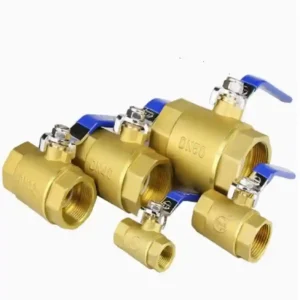
Electric Stainless Steel Ball Valve: Separate Confirmation of Valve Body and Actuator
For electric stainless steel ball valve procurement, confirm valve body parameters (bore, pressure, connection, seat) and actuator parameters (voltage, torque, signal) separately. The valve body determines whether it can be installed; the actuator determines whether it can be controlled.
Dc Electric Ball Valve: Power Matching for DC Solutions
Dc electric ball valve is commonly used in 12V or 24V DC systems such as solar, mobile equipment, and emergency systems. Confirm power supply voltage range and current demand during switching to avoid insufficient power capacity.
2 Way Electric Motorized Ball Valve: Two-Way Electric Valve Matching
For 2 way electric motorized ball valve two-way electric valve matching, confirm control mode (on-off or modulating) and manual override function: whether manual open/close is possible when power is lost is critical for maintenance.
12vdc Stainless Steel Npt Ball Valve 3-Wire: Three-Wire Wiring
A 12vdc stainless steel npt ball valve 3-wire three-wire connection typically includes power positive, power negative, and feedback signal lines. Obtain the wiring diagram before connection and confirm feedback line type (open position, closed position, or universal feedback).
2″ 24vdc Electrically Actuated Ball Valve: Torque Verification for Large Size
A 2″ 24vdc electrically actuated ball valve large-bore electric valve has high torque demand. When selecting, require the supplier to provide a torque calculation sheet confirming actuator output torque covers valve operating torque with safety margin.
📌 Case Setting
UES Ultramech Electrical’s official public information shows it is an electrical engineering contractor in Kuala Lumpur with building automation system qualifications, serving shopping malls, office buildings, and hotel projects. Building automation water valves must interface with the building control system, requiring matched voltage, signal, and torque.
The project customized electric stainless steel ball valves for air-conditioning water branches in an existing building. Control voltage (24V or 220V), switching signal type, and valve bore were confirmed first, then actuator torque was checked against valve operating torque, and torque calculation sheets and wiring instructions were requested. CHCV helped provide custom parameters and matching documentation for electric ball valves, making every valve correspond one-to-one with building control points.
CHCV provides custom parameters and wiring data so every electric valve matches the building control system.
✅ Five Electric Valve Customization Essentials
Voltage and power: 24V DC or 220V AC consistent with site
Signal type: on-off or analog (4-20mA) matched with building control
Torque matching: actuator torque covers valve operating torque
Interface standard: ISO 5211 mounting flange and stem dimensions
Documents: torque calculation sheet, wiring instructions, test records
Common Questions
FAQ 1: What parameters are generally required for custom electric valves?
Voltage, signal type, bore size, pressure, and actuation time requirements. The more complete the parameters, the better the supplier can give a matched torque and wiring solution.
FAQ 2: How do I accept an electric valve after delivery?
First check voltage and signal type, then conduct powered open/close tests (including manual override), confirm limits and feedback signals are normal before installation; keep wiring diagrams with the shipment.
