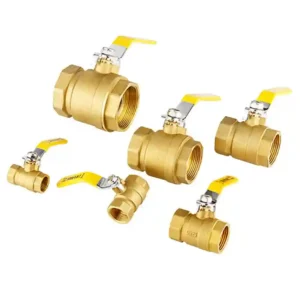

Brass Ball Valve to PVC: Connection Checks
A brass ball valve to pvc connection joins two different systems: a metal valve with a specified end connection and a plastic pipe that may use a socket, union, or plastic thread. The transition needs a compatible adapter, correct thread or solvent-weld method, adequate support, and a controlled leak test. Do not screw a brass valve directly into a PVC socket or assume that matching nominal sizes make the parts interchangeable.
The first step is to identify the valve end, PVC type, pipe outside diameter, service medium, pressure and temperature range, and the space available for assembly and future removal. Our brass ball valve installation guide covers the wider checks for threads, sealing, alignment, and commissioning.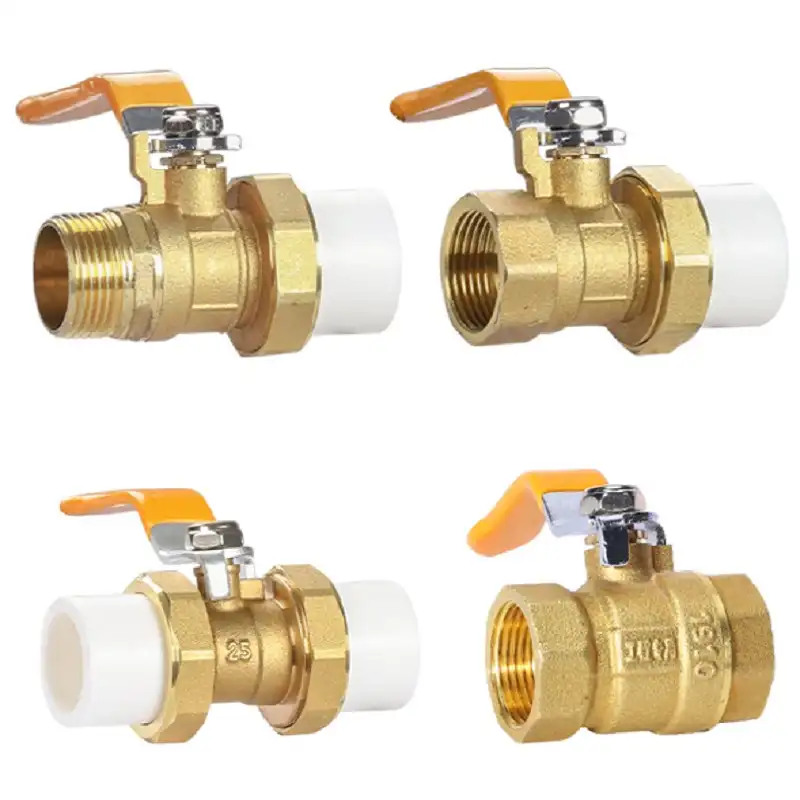
A brass ball valve to pvc connection normally needs a transition component between the valve and pipe.
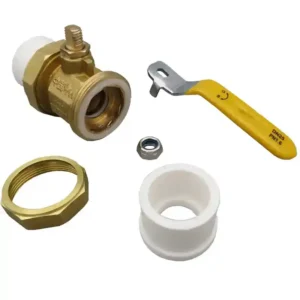
Depending on the selected parts, that may be a threaded plastic-to-metal adapter, a union arrangement, or a manufacturer-specified fitting with a PVC socket on one side and a compatible metal thread on the other. The plastic side must match the pipe system, while the metal side must match the valve’s actual thread or end design.
Record whether the brass valve is male or female, whether the thread is NPT or BSP, and whether the PVC pipe uses solvent welding, a union, or another joining method. If the valve has a solder or special end, do not treat it as a threaded valve. Select the transition around the actual valve drawing and connection data.
The brass ball valve to pvc pipe adapter is selected by more than nominal diameter.
Confirm the valve size, thread standard, pipe outside diameter, PVC schedule or pressure class, adapter material, pressure and temperature suitability, and the required insertion depth. A reducer, union, or threaded adapter may look similar while having a different sealing surface or service limit.
Dry-fit the parts before applying sealant or cement. Mark the final valve orientation, leave handle clearance, and check that the adapter can be tightened without twisting the pipe. If future maintenance is important, use a removable arrangement where the line layout permits it. The valve must remain accessible and must not become the support for a long unsupported plastic run.
A pvc fitting on brass ball valve should be reviewed as a complete pair.
Check the plastic fitting’s material and rating, the brass thread form, the sealing method, the solvent-cement instructions, the wrench flats, and the space around the handle and stem. Use thread sealant only when it is compatible with the valve materials, plastic fitting, and service medium.
Apply torque to the intended wrench flats rather than the handle or stem. Avoid excessive force that can split a plastic fitting or distort the threaded transition. The valve body should be aligned with the pipe without forced bending, and both sides of the valve should be supported before the line is pressurised.
Support is part of the brass to pvc ball valve installation.
Plastic pipe expands, contracts, and can transmit bending load when it is not clipped or guided correctly. Keep the valve accessible, provide clearance to operate it, and avoid putting the weight of a long vertical or horizontal run on the adapter. Where vibration or frequent cycling is expected, include the support and restraint details in the installation plan.
After solvent welding, observe the fitting and cement manufacturer’s preparation and cure instructions. Isolate the section, remove trapped air where appropriate, and test with a safe medium at a controlled pressure. Inspect the plastic socket, threaded transition, valve body, stem, and any seal for leakage before returning the branch to service.
The pvc or brass ball valve choice depends on the service branch.
PVC may be convenient for a compatible ambient-water system with a matching plastic pipe network. A brass valve may be useful where a compact threaded isolation point, repeated manual operation, or a different mechanical arrangement is required. The choice should still be checked against temperature, pressure, chemical exposure, ultraviolet exposure, and support.
For compressed air, confirm the rating of every transition component and make sure the line can be isolated and depressurised safely. For hot water, special chemicals, oxygen, or direct food-contact service, do not extend a general plumbing recommendation without a separate material and seal review.
The long-tail instruction “how to replace a brass ball valve” should begin with isolation, not cutting. Shut the line, release trapped pressure, drain the section, and verify that the medium is safe. Then record the old valve’s size, male or female end, thread standard, adapter type, and available face-to-face space before selecting the replacement.
If the existing plastic fitting is cracked, distorted, damaged, or uncertain, do not reuse it merely because the new valve appears to fit. Replace the transition component when its threads, socket, body, or solvent-welded joint cannot be trusted. Restore pressure gradually and inspect the complete brass ball valve to pvc transition before normal operation.
WAKIM is a real Malaysian packaging distribution and trading business. Its public website describes service in Kuala Lumpur and Selangor, warehouse and retail space, and a broad range of paper, plastic, foil, foam, bamboo, wooden, container, bag, and wrapping products.
For the “Kuala Lumpur Stock Packaging Utility Transition” project, the planning team reviewed a brass ball valve to PVC arrangement at a non-product-contact washdown-water branch beside a packaging storage area. A second review point was a small compressed-air branch near a labelling and sample bench; it was included only after the valve, adapter, pipe, and support ratings were checked together. The fictional project record listed the PVC type, valve thread, adapter, sealant, support points, cure time, and leak-test sequence. No food, drink, or packaging contents passed through the valve.
Check that the valve body is aligned without forced pipe stress, the handle has operating clearance, the plastic pipe is supported, and the threaded transition is not visibly cracked or distorted. Confirm that the solvent-welded joint has received the required cure time and that the test medium is suitable for the line. Record the adapter, sealant or cement, valve model, and test result with the maintenance documents.
A brass ball valve to pvc assembly is only complete when the transition and the surrounding pipe can be isolated, inspected, and serviced. If a leak appears, isolate and depressurise the section before disassembly; do not tighten a pressurised plastic-to-metal joint as a substitute for finding the cause. For follow-up repair checks, see our brass ball valve repair guide.