
How to Solder Brass Ball Valves
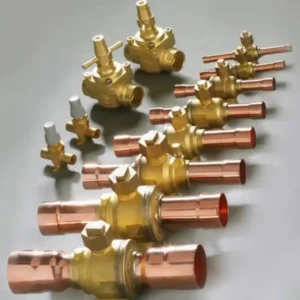
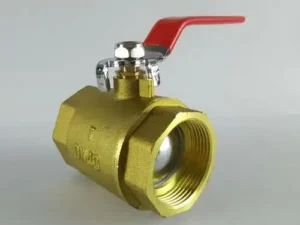
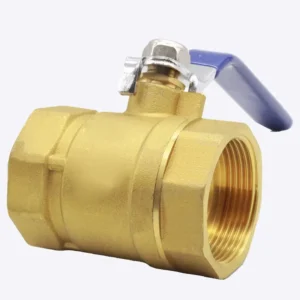
The starting point for how to solder brass ball valves is that the valve end must be designed for a soldered connection. An ordinary ball valve with threaded, press, or other ends cannot be heated and soldered simply because it is made of brass. Before work, confirm the valve model, copper-tube size, solder, and flux instructions, and determine whether the seats, seals, and surrounding components can withstand the installation heat.
Joint quality is not determined by solder alone. Tube insertion depth, surface cleanliness, body alignment, heat distribution, valve position, cooling method, and later testing all affect the connection. If the valve is inside equipment, protect nearby plastic parts, cables, coatings, and seals in advance. Site work should follow the safety instructions from the valve and soldering-system manufacturers.
What Is the First Step in how to solder brass ball valve to copper?
When considering how to solder brass ball valve to copper, the first step is not lighting the torch but a dry fit. Check the copper outside diameter, valve socket depth, end cleanliness, and support position, and confirm that the valve can be inserted without twisting. Mark the insertion depth, then remove oil and oxide from the surfaces so that the tube is not found to be short of the socket after soldering.
Why Must Heat Be Controlled When soldering a brass ball valve?
Soldering a brass ball valve requires heat to be concentrated at the joint and transferred evenly. Do not hold the flame on the seat, stem, or seal area for a long time. The heat boundary differs between valve constructions. If the manufacturer requires disassembly, a heat sink, or a particular position, follow the instructions for that model.
How Should ball valve open or closed during soldering Be Confirmed?
The question of ball valve open or closed during soldering cannot be answered by one rule for every model. Valve position may affect heat transfer, internal pressure release, and post-solder inspection. The correct method is to check the specific ball valve soldering instructions. If the documents do not state the position, ask the supplier before work instead of transferring the practice from another model.
How Can You cool the Valve Safely: how to cool ball valve when soldering?
For how to cool ball valve when soldering, follow the valve instructions and site safety requirements first. Do not immediately shock a hot body with cold water, and do not force a joint that has not stabilized by turning it with a tool. Allow the assembly to cool in the appropriate manner, remove residue, and check the stem, handle, and solder joint for abnormal stress.
When Is disassemble ball valve before soldering Required?
Whether to disassemble ball valve before soldering depends on the valve construction and the manufacturer’s requirements. A separable construction does not automatically permit field disassembly; opening the valve may change seals, fasteners, and assembly orientation. If the instructions require disassembly, record the part order and torque requirements. If they do not, do not dismantle the factory assembly simply to “protect the seat.”
📌 Case Setting: Selangor Water-Treatment Piping Modification
Pumpen Group publicly describes water-pump, piping-system, and water-treatment-facility maintenance, including pipe modifications, system conversions, and upgrades to existing equipment. In this case setting, a maintenance team prepares to replace a solder-end ball valve on a non-product-contact copper branch. The CHCV work information uses how to solder brass ball valves as the search entry point, but the team first confirms the valve end, copper-tube specification, solder, flux, and installation position. After soldering, the assembly is cooled as required by the project, followed by appearance, operation, and controlled leak checks. The model and test result are added to the maintenance record.
What Belongs in the Soldering Handover Record?
Record the valve model, copper-tube specification, solder and flux, installation position, work date, cooling method, operation check, and leak-test result. The record should identify the valve as a solder-end model and should not combine an ordinary threaded ball valve and a solder-end ball valve under one material code.
For product and technical reference, visit CHCV. Related reading: Brass Ball Valve Leaking.