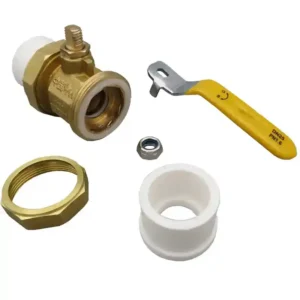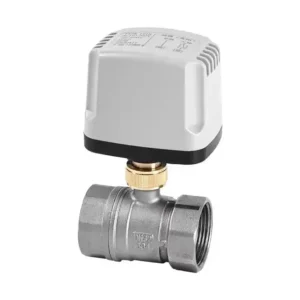

Short answer: Most standard 2-way ball valves are non-directional.
Is a ball valve a two-way valve? Yes, a regular two-way ball valve has two ports, one inlet and one outlet.
Are ball valves two-way? Generally yes, but “two-way” describes the number of ports, and does not mean it can be installed in reverse for all service conditions.
According to international valve industry references including API 6D, API 608 and Valve World, conventional two-way ball valves are normally designed for bi-directional sealing. However, for special constructions, flow direction will directly affect sealing, cavity relief and safety.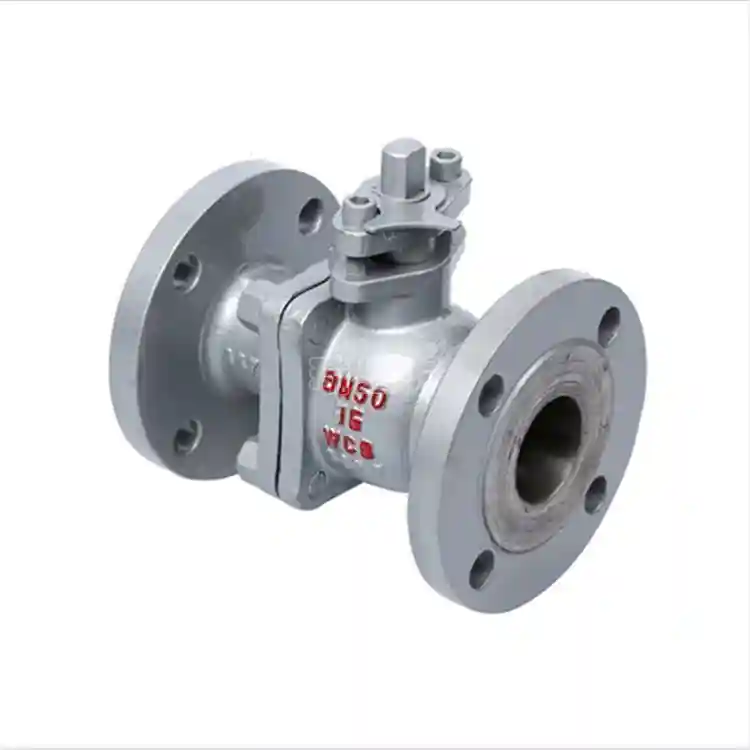
Are Ball Valves Bidirectional?
For common floating ball valves, trunnion mounted ball valves, soft-seated or metal-seated two-way ball valves, the medium can enter from either end. Shut-off can normally be achieved provided pressure, temperature and seat material are compatible.
Arrows marked on the valve body are mostly for installation reference, to facilitate on-site maintenance, actuator arrangement and P&ID verification, and do not always mean “flow in one direction only”.
Therefore, the answer to are ball valves bidirectional is: most standard two-way ball valves can be used bi-directionally.
Does Flow Direction Matter in a Ball Valve?
Does flow direction matter in a ball valve? For certain designs, the answer is yes. Ball valves with cavity relief holes, single piston effect seats, drain ports, grease injection ports, vent ports or check valve functions normally have defined high-pressure and low-pressure sides.
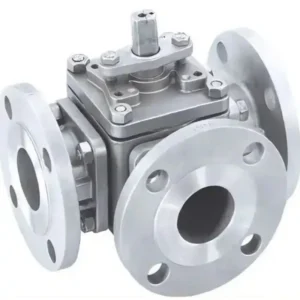
Reverse installation may lead to inability to relieve cavity pressure, abnormal seat loading or reduced sealing service life. Three-way, four-way, V-port control ball valves and some cryogenic ball valves also require specified flow direction.
Ball Valve Water Flow Direction Important?
For general water supply, HVAC and industrial water systems, is ball valve water flow direction important? In most cases, standard two-way ball valves can shut off flow whether installed forward or reverse. If the valve is fitted with drain caps, relief holes or actuator limit switches, it shall still be installed per the body arrow.
For steam, natural gas, oxygen, hydrogen or hazardous chemical service, datasheets and process flow direction must be checked. Do not rely solely on the statement that “ball valves are bi-directional”.
Ball Valve 2-Way Direction of Flow
The core point for Ball valve 2-way direction of flow: a two-way ball valve allows medium to enter from either port and exit from the other, suitable for on-off isolation, not for long-term throttling.
Partially open operation accelerates seat erosion and generates noise and vibration. V-port ball valves, globe valves or dedicated control valves shall be selected if flow regulation is required.
Are All Ball Valves Bidirectional?
Are all ball valves bidirectional? No. Standard two-way ball valves are usually bi-directional, but three-way, four-way, single piston effect, relief-hole equipped, check-integrated or special metal-seated ball valves may be directional.
Check body arrows, nameplates, P&ID drawings, technical datasheets and actuator instructions before installation.
CHCV recommends providing medium, pressure, temperature, end connection and installation direction during valve selection to ensure safe and reliable operation of ball valves under target service conditions.