
Brass Ball Valve HSN Code: How to Prepare Documents
“Brass ball valve HSN code” is commonly seen in purchase, invoice, and customs clearance document preparation for the Indian market. It focuses on the product classification information required for local declaration, not on deriving a number from the words “brass ball valve.” The first step in preparing accurate documents is to describe the valve itself, its accessories, and its use clearly.
HS, HSN, local extension codes, and company invoice fields may sit at different levels. This article can only help buyers organize information; the formal declaration must still be confirmed by the actual importer, the customs broker, or a local professional agency according to the latest rules.
Ball Valve HSN Code India: Prepare the Product Identity First
The documents for “ball valve HSN code India” should state whether this is a manual ball valve or a combination with an actuator, whether it is a complete valve or a repair part, what the body and trim materials are, what the connection method is, what the size is, and its general use in the system. Without a clear product identity, the later classification discussion has no stable foundation.
If one shipment contains brass ball valves, fittings, seals, and handles at the same time, describe them separately in the invoice and packing list. Itemized documents also make it easier for receiving staff to check quantities and packaging and avoid treating accessories as complete valves.
How Do Ball Valve HS Code India and HSN Documents Correspond?
“Ball valve HS code India” and HSN queries may involve different levels and display formats, so one search result cannot simply be copied. The person responsible for declaration needs to confirm the local tariff level, invoice requirements, product description, and duty conditions, while the supplier should provide true, complete, and model-matching technical documents.
Buyers can organize product information in the order “model — function — material — connection — accessories — use” and hand it to the local declarant. This yields a more reviewable answer than simply asking, “What is the HSN for this ball valve?” ”.
Ball Valve Tariff Classification: The Basis Must Be Traceable
“Ball valve tariff classification” needs the judgment basis to be kept: the product catalog, the assembly drawing, the material description, the commercial invoice description, and the destination requirements. If the model, connection, actuator, or packaging changes later, the classification should be reconfirmed rather than carried over from the old record.
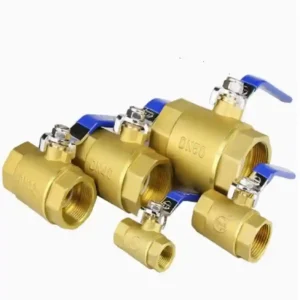
For a manual brass ball valve, the description can state the isolation function and the materials; for a valve with an actuator or a complete set of equipment, the control components and the delivery boundary must be added. Different boundaries may affect the classification discussion and must not be blurred in the documents.
Ball Valve Fitting HS Code: List the Valve Accessories Separately
Search results for “ball valve fitting HS code” may cover joints, adapters, or other piping accessories. If these accessories are not assembled on the valve, the purchase and declaration documents should record their name, quantity, material, and use separately; if they are supplied as a complete set, the composition and the packaging relationship must also be described. For the matching declaration review on the same topic, see our brass ball valve HS code page.
When sending documents externally, product photos can only be a supplement. Model, size, connection, material, and item lists are more suitable for declaration and receiving, especially for valves and fittings that look similar but function differently.
📌 Case Setting
The shipment included manual brass ball valves and several independent fittings. The project did not write the whole batch loosely as “one batch of valves”; instead, it listed the valves and the fittings separately and completed the model, material, connection method, and use description item by item. At the same time, the team recorded the valve pressure rating, thread standard, and seal materials, and whether the fittings were delivered as a set with the valves or packed separately. Each item corresponded to a physical photo, a specification sheet, and a packing quantity, so the declaration documents did not contradict the packing contents.
At the export documentation stage, the project handed this information to the local declarant to check “ball valve HSN code India.” The case does not write one code number as a fixed answer; instead, the classification follows the actual product and delivery form, because manual valves, valve sets with actuators, repair kits, or different destinations may take different classification paths. If the shipment composition, the medium use, or the packaging changes later, the documents and the classification need to be reviewed again.
CHCV and Watts helped the trade team establish a traceable declaration boundary, so the product description, the physical goods, and the documents can corroborate each other and reduce the risk of customs review and destination-port clearance problems.
📝 HSN Information Card: Align Four Documents First
The name, quantity, material, connection, and accessories in the product model list, the commercial invoice, the packing list, and the technical drawings should be consistent with each other. If the documents use different product names, unify the descriptions before shipment to avoid two sets of information at clearance and receiving.
Common Questions
FAQ 1: Once the supplier provides the HSN code, no further check is needed?
It still needs to be checked. The supplier can provide the product identity and technical documents, but the destination classification, code, and declaration responsibility should be confirmed by the actual importer or local professionals.
FAQ 2: Does the same brass ball valve always have exactly the same HSN documents?
Not necessarily. Function, structure, actuation method, accessories, use, and destination rules can all affect the declaration documents.