
In hydraulic systems, although both three way flow control valve and three way directional valve contain the word “three-way,” their functions are completely different.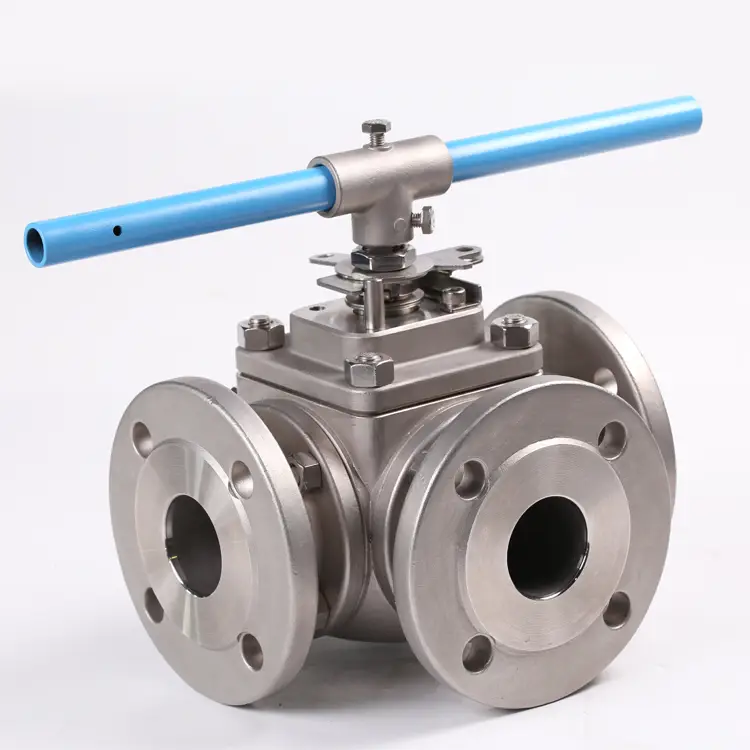
During procurement and selection, they are easily confused. To put it simply:
-
Three way directional valve: Responsible for changing the oil flow path to achieve direction switching. It usually has only on/off functionality and cannot regulate flow rate.
-
Three way flow control valve: Responsible for distributing flow proportionally in one oil circuit, or combining flows, and can adjust the speed of actuators.
When purchasing, be sure to first confirm whether your application requires “directional switching” or “speed control.” If you need to make a cylinder move fast and slow freely, or coordinate the motion of two actuators, then what you are looking for is a three way flow control valve, not a directional valve.
Four core functions of the three way flow control valve
Flow dividing / flow combining
The three way flow control valve can split the pump output flow proportionally into two paths to supply two independent actuators; conversely, it can also combine two return flows into one and return them to the tank. This function is particularly common in synchronous control systems.
Bidirectional speed control of cylinders
Through the cooperation of internal orifices and compensation elements, the valve can independently adjust the inlet and outlet flow of a double-acting cylinder, thereby enabling separate speed control in both directions of motion.
Speed control in regenerative circuits
In a regenerative connection circuit, the three-way flow control valve can regulate the flow distribution under regenerative conditions, allowing the cylinder to achieve higher extension speed while maintaining system pressure stability.
Optional pressure compensation
Some models of the three way flow control valve have built‑in pressure compensators, which can automatically maintain the set flow rate under load fluctuations, ensuring that actuator speed is not affected by load changes. This feature is particularly important for applications requiring high‑precision speed control.
Typical applications of high quality three way motorized ball valve
Three-way flow control valves are widely used in the following industrial fields. Purchasers can identify their customer groups based on these scenarios:
-
Injection molding machines and die‑casting machines: For controlling the speed of clamp cylinders and ejector cylinders, achieving smooth mold opening and closing.
-
Construction machinery (e.g., excavators, loaders): For coordinating the speed of swing motors and boom cylinders to improve working efficiency.
-
Hydraulic test benches: For simulating flow distribution under different load conditions to test component performance.
-
Marine steering gear and lifting platforms: To ensure synchronous action of two or more actuators and prevent eccentric loading.
-
Metallurgical and mining equipment: To provide stable flow control under heavy‑load conditions and extend equipment life.
If your customers are involved in any of the above fields, they are very likely to be end‑users or supporting purchasers of the three way flow control valve.