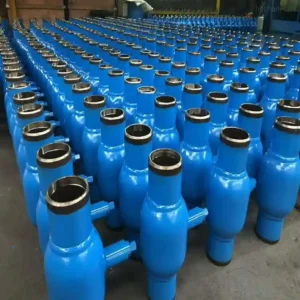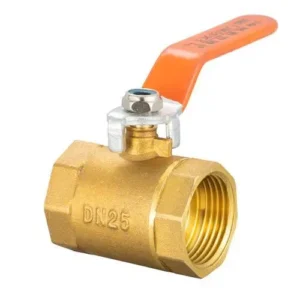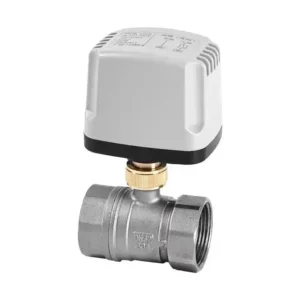

Many buyers focus most on unit price when searching for 1 1/4 inch ball valve. The price of a 1-1/4 inch ball valve varies with body material, end connection, pressure class, port type, seat material, actuator, certifications and order quantity.
If you only compare prices based on a single a ball valve for sale listing, you can easily overlook later installation, maintenance and downtime costs.
Below is a breakdown of price ranges and pricing factors for 1-1/4 inch ball valves from a procurement and selection perspective.
Common Price Range for 1 1/4 Inch Ball Valves
The ranges below are market references only. Actual pricing fluctuates by brand, region, certification, exchange rate and order volume.
| Type | Typical Retail Price | Bulk Purchase Reference |
|---|---|---|
| Brass threaded ball valve, 1-1/4″, full port, 600 WOG | $12–35 | $6–20 |
| Brass reduced port ball valve, 1-1/4″ | $8–22 | $4–14 |
| 304/316 stainless steel threaded ball valve, 1000 WOG | $28–90 | $18–55 |
| 3-piece stainless steel ball valve, 1-1/4″ | $45–160 | $30–100 |
| Flanged carbon steel ball valve, Class 150 | $90–300 | $60–200 |
| Electric or pneumatic ball valve, 1-1/4″ | $150–600+ | $120–500+ |
| PVC slip ball valve, 1-1/4″ | $5–25 | $3–15 |
This table is only for initial budgeting. For formal quotations, suppliers will further confirm media, temperature, pressure, end standard and test requirements.
Variables Affecting 1-1/4 Inch Ball Valve Pricing
- Valve Body Material Brass ball valves are commonly used for water, air and non-corrosive gases at lower cost. brass ball valve 1 1/4″ is a standard size suitable for general plumbing, irrigation and compressed air systems. Stainless steel ball valves work for corrosive media, food & beverage, chemical and outdoor environments. 316 stainless steel ball valve normally costs more than 304, yet delivers better corrosion resistance in chlorine-containing, seawater or chemical service. Carbon steel ball valves are widely used in oil, gas and high-pressure industrial piping. Their price is affected by forging, welding and coating processes.
- Full Port vs Reduced Port Full port ball valves feature a bore close to pipe inner diameter with low pressure drop, but larger body size and higher material consumption, hence higher price. Reduced port ball valves cost less but deliver lower flow capacity. For 1-1/4″ piping with flow-sensitive service, confirm Cv value instead of only checking nominal size.
- End Connection Threaded ends include NPT, BSP, BSPP, BSPT, suitable for most water, air and industrial piping. Flanged ends fit larger sizes, high pressure and locations requiring frequent disassembly. Weld ends apply to buried pipelines or applications demanding superior sealing. Slip connections are common on PVC, CPVC irrigation and pool piping, also seen on some copper solder systems. Slip ends cannot be mixed with threaded ends.
- Pressure Class Ratings such as 600 WOG, 1000 WOG, PN16, PN40, Class 150, Class 300 govern body wall thickness, ball dimension and seat design. Higher pressure class increases material and testing costs.
- Construction: 1PC, 2PC, 3PC 1-piece ball valves have low price but are hard to repair. 2-piece ball valves offer a balanced popular option. 3-piece ball valves allow disassembly for seat and seal replacement for maintainable service, so unit price is higher.
- Seat Material PTFE, RPTFE, TFM, PEEK and metal hard seats carry different price tags. PTFE works for general water and air service. High-temperature, steam or abrasive media may require metal sealing or PEEK.
- Certifications & Testing Certifications including NSF/61, CE/PED, API 607, API 6D, CSA, FM, UL add cost. Quotations also change when material test certificates, hydrostatic test reports and seat leakage test reports are required.
- Actuator & Order Volume Hand lever ball valves have the lowest price. Electric, pneumatic, spring return, limit switches and positioners all raise total cost. Order quantity strongly impacts unit price. There can be a 20%–40% gap between small-order retail price and factory price 1 1/4″ ball valve for full container orders.
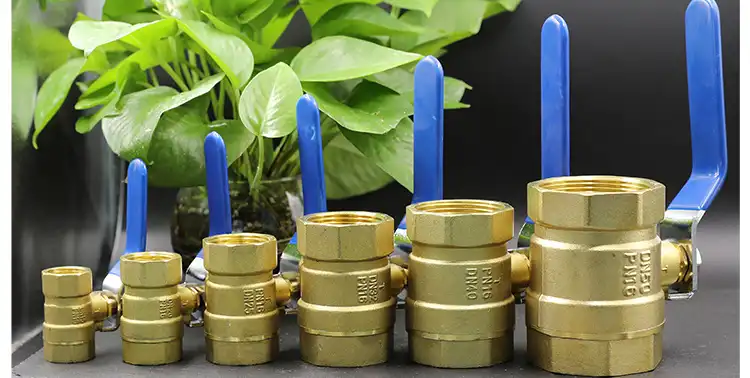
How to Judge Whether a Quotation Is Reasonable During Procurement
Define service conditions first before comparing prices. Confirm the following:
- Media: water, air, natural gas, steam, oil, chemicals?
- Temperature range: ambient, high temperature, cryogenic?
- Pressure: 600 WOG, 1000 WOG, PN16, Class 150?
- End type: NPT, BSP, flanged, welded, slip?
- Port: full port or reduced port?
- Operation: manual, electric, pneumatic?
- Certifications: NSF, API, CE, fire-safe, anti-static?
- Quantity: samples, trial order, bulk, OEM?
Many buyers ask what are the best ball valves. There is no universal answer. Brass full-port ball valves may fit plumbing projects; stainless steel or special alloys are better for chemical media; metal-seated ball valves are recommended for high-temperature steam service.
Slip Ball Valves: what are slip ball valves
what are slip ball valves? A slip ball valve features socket slip end construction. Pipe is inserted into the valve end and secured via cementing, welding or other socket joint methods. It is widely used in PVC irrigation, pool, water treatment and some industrial piping.
Advantages of slip ball valves: no thread sealant required and smooth flow path after assembly. Disadvantages: the valve cannot be freely rotated for adjustment once installed like threaded valves, and cutting, cleaning and cementing workmanship must be strictly controlled.
When installing a slip ball valve, verify pipe outer diameter, Schedule 40 or 80, socket depth and cement type. Cut pipe ends square, deburr and clean. Apply primer and cement, insert fully and allow sufficient curing time. For copper soldering applications, control heat input to avoid damaging valve seats.
Wholesale Procurement & Supplier Selection
For long-term 1-1/4 inch ball valve sourcing, compare both manufacturers and traders. When contacting a china 1 1/4″ ball valve manufacturer directly, verify their casting, machining, assembly and testing capabilities instead of only reviewing quotations.
When sending RFQ, provide quantity, material, end standard, pressure class, port type, actuator, certification and packaging requirements. This enables suppliers to provide a workable factory price 1 1/4″ ball valve rather than vague low pricing.
CHCV Valve usually confirms media and end standards first during ball valve selection, then provides recommendations on material, sealing and testing. For common sizes like 1-1/4 inch, bulk orders gain pricing benefits from standardized specifications, stable testing procedures and standardized packaging.
Conclusion
1-1/4 inch ball valve prices range from several US dollars to hundreds of US dollars. Manual brass threaded models sit at the lower end; stainless steel, 3-piece, flanged, high-pressure and actuator-equipped versions cost more.
Specify media, temperature, pressure, end connection, port and certifications before comparing quotations. This yields pricing close to real procurement cost and reduces risks of post-installation leakage, insufficient flow and downtime replacement.