
How Much Does a Ball Valve Cost? Prices, Buying Options, and Replacement Parts
For ball valves of the same 1-inch size, the price of a brass manual valve can be 3 to 5 times lower than that of a stainless steel 1000 WOG full port ball valve; a 12-inch Class 600 trunnion mounted ball valve may even cost tens of thousands of US dollars. When researching how much is a ball valve, you first need to confirm the material, size, pressure class, end connection, actuation method and certifications.
1. Variables That Affect Quotations
Material determines the base cost. Brass, bronze, 304/316 stainless steel, carbon steel WCB, duplex steel, and PVC have large price gaps. 316 stainless steel is usually more expensive than 304, while duplex steel and special alloys cost even more.
Size and bore also directly affect pricing. 1/4″ to 2″ covers common sizes. Full port valves cost more than reduced port ones because the ball and flow passage are larger, requiring more raw material and machining time.
Higher pressure classes demand thicker valve body walls, stricter flange, sealing and testing requirements. Pricing increases progressively for 600 WOG, 1000 WOG, 2000 WOG, Class 150, 300, 600, 900, 1500 and 2500. Certifications such as API 6D, API 607 fire safe, NSF/61, FM, CSA and ATEX also add to the cost.
End connection type impacts price as well: threaded, flanged, welded, clamped and tri-clamp ends. Flanged and welded ends are generally more expensive than threaded ends. Actuation needs to be considered too: lever handle, gear operator, pneumatic and electric. In some cases, the actuator can cost more than the valve body itself.
Order quantity affects unit price. Standard models, stock materials and bulk orders usually get better pricing. Special materials, non-standard end connections and independent testing push the price upward.
2. Reference Price Ranges for Common Ball Valves
All prices below are in US dollars, excluding freight, tax and special certifications. Actual pricing is subject to supplier quotations.
1/4″ to 1/2″ brass manual ball valve: approx. $2 to $12. 304/316 stainless steel: approx. $5 to $25.
3/4″ to 1″ brass: approx. $5 to $25. Stainless steel: approx. $10 to $50.
1-1/4″ to 2″ brass: approx. $12 to $60. Stainless steel: approx. $25 to $150.
When checking 2 inch ball valve price, you will find configurations such as 316, 1000 WOG, full port and lockable handle create large price differences. When reviewing flanged ball valve price list, you need to verify flange standard, face-to-face dimension and pressure class at the same time. In a 3 way ball valve price list, stainless steel and actuated models are normally much pricier than brass manual versions. stainless steel ball valve price is affected by 304/316, CF8M, full port, pressure class and sealing materials.
2″ to 3″ flanged carbon steel Class 150: approx. $80 to $400. Stainless steel: approx. $150 to $800.
4″ to 6″ flanged or trunnion mounted: approx. $300 to $3,000+.
8″ to 12″ Class 150 carbon steel manual: approx. $1,200 to $5,000. Stainless steel: approx. $3,000 to $12,000. Class 600 trunnion mounted: approx. $8,000 to $30,000+.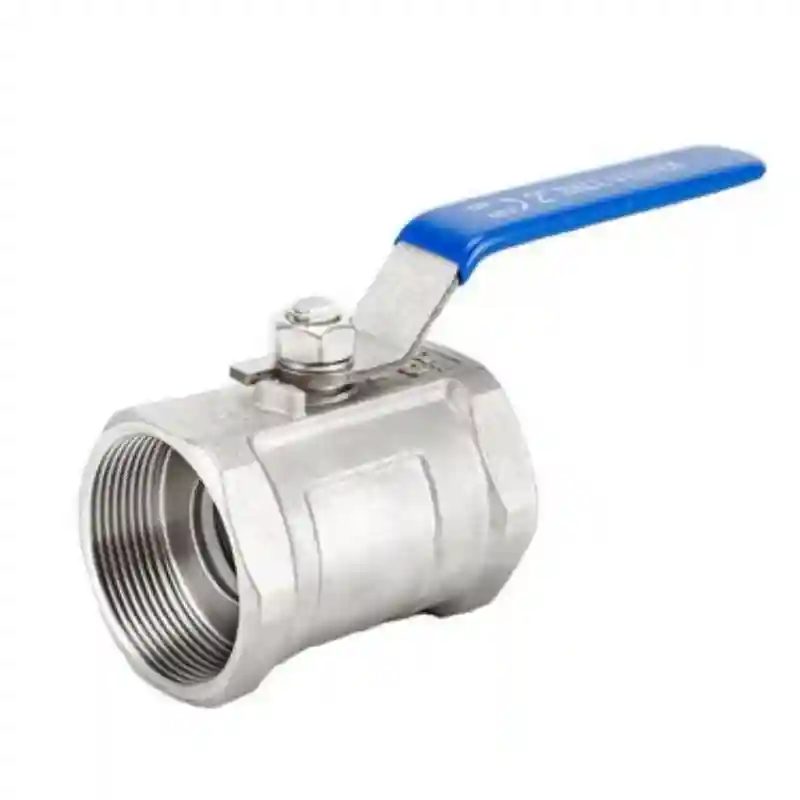
3. Brief Answer to how much is a ball valve
If you simply ask how much is a ball valve: residential 1/2″ to 1″ brass manual ball valves commonly range from $5 to $30. Industrial stainless steel 1″ to 2″ manual ball valves typically cost $20 to $150. With electric or pneumatic actuators fitted, the price often rises by $80 to $1,000 or more. Large bore flanged, trunnion mounted valves with high-level certifications require project-based quotations.
4. Average Price for a 12-inch Ball Valve
what is the average price of a 12-inch ball valve? There is no fixed figure. Class 150 carbon steel flanged manual ball valve, reference range approx. $2,000 to $6,000. 316 stainless steel in the same specification may cost $5,000 to $15,000. Class 600 trunnion mounted, metal seated, gear operated or actuated versions can run $12,000 to $40,000+.
Process medium, temperature, fire safety, anti-static requirements and API 6D testing will alter quotations. When purchasing, ask suppliers to provide data sheets, material certificates, pressure test reports and weight information. Freight, wooden packaging and lead time also affect total cost.
5. Buying Advice: Can You Buy a Ball Valve That Closes Down?
can you buy a ball valve that closes down? Ball valves capable of full shut-off are available, but caution is needed if you want to use them for throttling flow. Standard ball valves are designed for on-off service; prolonged partial opening causes erosion on sealing surfaces. If flow regulation is required, select V-port ball valve, characterized ball valve, 3-way regulating ball valve, or globe valve, needle valve.
When ordering, ask for Cv value, turndown range, actuator type and limit switch availability. If you only need to cut off water or gas flow, a standard manual ball valve is sufficient. For proportional control, do not search only using the term “ball valve”; select products according to your control requirements.
6. Replacement Parts and Maintenance Options
Replacement parts fall into three categories.
- Handles and fasteners. If the valve body and ball seal remain intact while the handle is broken or loose, look for ball valve replacement handle. Match the stem square size, nut thread, handle length and lock hole.
- Seal repair kits. For stem leakage, aged O-rings and worn ball seats, source ball valve repair kit. Confirm valve model, ball diameter, seal materials such as PTFE, RPTFE, Viton, EPDM and pressure class.
- Full valve replacement. Full valve replacement is safer when the valve body cracks, threads fail, the ball gets scored or flange sealing surfaces get damaged.
a&a low profile ball valve replacement is commonly seen in swimming pools, water features and low clearance installation spaces. Before replacement, record the original valve model, port size, end connection, installation depth, handle orientation and O-ring specifications. If original OEM parts are unavailable, alternatives must match size, end connection and pressure class; never select parts merely because they “look the same”. Clean threads before installation, apply proper sealing compounds and avoid over-tightening.
7. Information to Prepare for Quotation Requests
Size: 1/2″, 3/4″, 1″, 2″, 3″, 6″, 12″. Valve body material: brass, bronze, 304, 316, CF8M, WCB, duplex steel. Bore type: full port or reduced port. Pressure class: 1000 WOG, Class 150, Class 600, etc. End connection: NPT, BSP, flanged, welded, Tri-clamp. Actuation: lever, gear, pneumatic, electric, 24V, 220V. Medium and temperature: water, natural gas, steam, oil, chemical media. Certifications and testing: API 6D, API 607, NSF/61, FM, CE, material test certificates. Quantity: sample, bulk, annual framework order.
Closing Remarks
Ball valve pricing is determined by specifications rather than size alone. Providing clear details of size, material, pressure class, end connection, actuation, certifications and quantity will speed up quotation significantly. CHCV can support valve selection and quotation based on these parameters, helping you balance budget, lead time and spare parts availability.