
This is a common issue in engineering procurement and pipeline design. For an engineer or procurement manager responsible for large industrial pipelines, knowing the weight of a 16 inch ball valve is critical for developing lifting plans, selecting supports, and calculating transportation costs.
Although a fixed value cannot be given, based on industry manufacturing data, a standard 16‑inch ball valve typically weighs around 2,000 kg. However, this value can vary significantly depending on design standards and material choices.
To obtain accurate weight data, you need to provide your supplier with 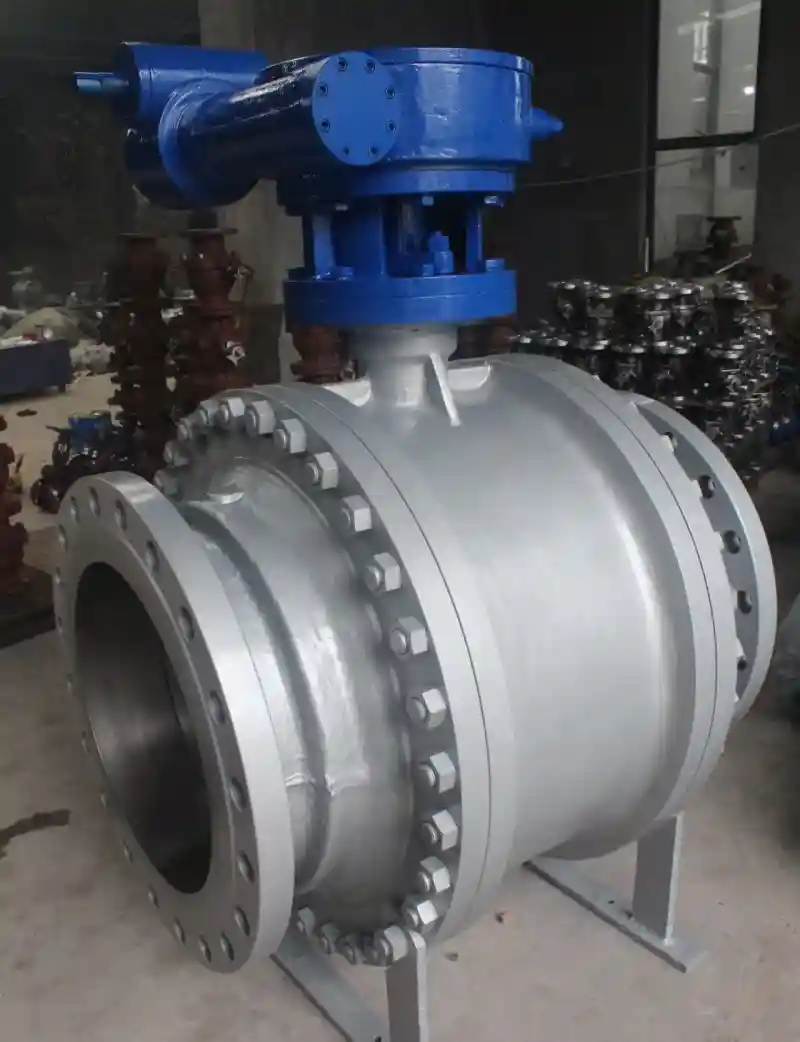 clear specifications. The key variables affecting weight are as follows:
Pressure Rating – The Primary Determinant
Pressure rating is the most important factor affecting weight. From an engineering perspective, higher pressure ratings require thicker body and bonnet walls, as well as larger flanges, leading to a substantial increase in weight.
For reference, a 16 inch Class 150 ball valve weighs approximately 1,092 kg, while a 16 inch Class 900 ball valve can weigh as much as 4,760 kg.
For even higher pressure services, such as a 16 inch 2500 lb ball valve, the weight will increase further.
Valve Type: Floating vs. Trunnion‑Mounted
The structural design also directly determines weight. For a large‑bore size like 16 inches, a trunnion‑mounted ball valve is the more common choice.
Unlike a floating ball valve, a trunnion‑mounted design supports the ball with upper and lower stems, adding extra support components, and therefore it is generally heavier. The trunnion‑mounted type is the standard for large‑diameter pipelines because it can withstand higher pressure drops and heavier ball loads.
Connection Type and Body Material
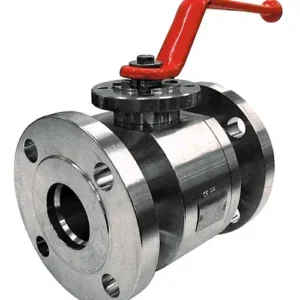
The connection method also matters. A flanged ball valve weighs significantly more than a butt‑weld ball valve due to its pair of thick flanges.
Finally, the body material determines the final weight. A common carbon steel ball valve and a stainless steel ball valve of the same size will have different weights due to variations in alloy composition and density. For more corrosive media, if a duplex stainless steel ball valve is selected, its weight will also change accordingly.
Summary
Based on the above, to determine the weight of a 16 inch ball valve, you need to confirm the pressure rating, valve type, connection method, and material.
Whether it is the Class 600 ball valve weight for a natural gas transmission pipeline, or a 16 inch 1500 lb ball valve in a refining project, the actual weight must be assessed against the specific specification parameters.
For projects in Southeast Asia, or if you have questions about the harga ball valve 16 inch (price) or specific parameters, it is recommended to contact the manufacturer CHCV directly to obtain accurate drawings and weight tables.