
Brass Ball Valve to Galvanized Pipe: Connection Checks
brass ball valve to galvanized pipe is not a matter of simply screwing two components with the same nominal size together. The galvanized steel pipe, brass valve, adapter, sealing material, and water medium all affect the connection result. Before purchasing and installation, confirm both thread ends, the connection standard, the transition method, the support conditions, and the corrosion boundary created by dissimilar-metal contact.
The first step is not applying sealant; it is confirming the existing pipe material, size, and thread. An old galvanized pipe may have corrosion, damaged threads, wall-thickness changes, or evidence of earlier alterations. Valve documents may use nominal size, NPT, BSP, or another connection description. Put the site dimensions, drawings, and exact model together for checking. Do not rely only on the handle or body appearance.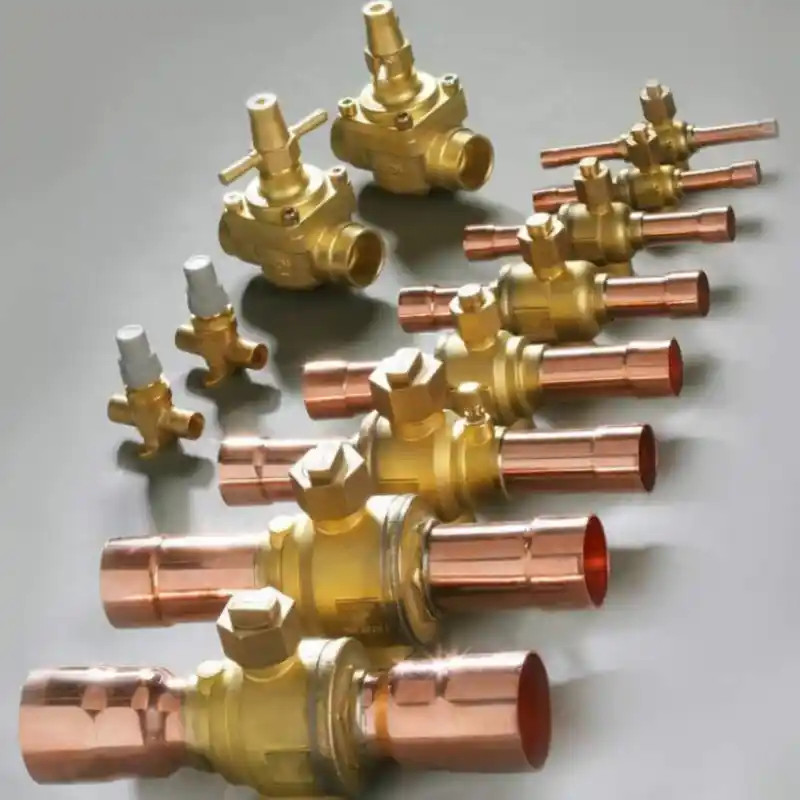
Where Should “brass ball valve threaded” Start: NPT or BSP?
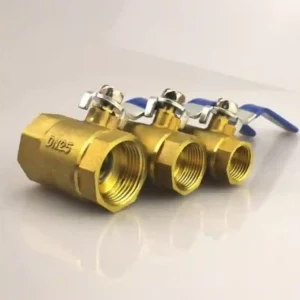
For brass ball valve threaded selection, confirm whether the end is female-threaded, male-threaded, or a female/male combination, and check the thread standard, effective length, end orientation, and wrench clearance. NPT and BSP cannot be interchanged just because the pitch looks similar. If a conversion is needed, treat the adapter as a separate connection item. Worn or distorted threads can damage the body or leave a hidden leak path if the valve is forced into place.
How Does “brass ball valve npt size” Match the Galvanized Pipe?
brass ball valve npt size must be assessed together with the galvanized pipe nominal size, actual thread, and connection direction. Nominal size does not mean every outside diameter or effective thread length is the same. Different valve series may also have different face-to-face dimensions and handle heights. Before replacement, record the old valve face-to-face length, end directions, pipe supports, and removal space so the new valve does not have to be forced into alignment.
Why Should “brass ball valve fittings” Not Be Treated as Generic Adapters?
brass ball valve fittings may include nipples, connectors, unions, reducers, or components used to isolate dissimilar metals. Every fitting should be checked for material, thread, sealing surface, service boundary, and installation sequence. If an adapter has no clear model or manufacturer information, the fact that it can be threaded on is not proof of a reliable connection. Fitting length and the direction of applied force can also affect whether the valve is pulled out of alignment.
Why Do “ball valve brass fitting” Connections Need a Corrosion Review?
A “ball valve brass fitting” connection to galvanized steel combines dissimilar metals. If there is direct electrical contact and an electrolyte such as water, galvanic-corrosion risk may arise at the joint. The level of risk also depends on water chemistry, temperature, area ratio, wetness, and installation details. Therefore, “brass can connect to galvanized pipe” is not a universal answer. Where needed, use a suitable dielectric union, isolating component, or approved transition method in line with local rules, design requirements, or manufacturer instructions.
How Can “brass pipe ball valve” Installation Avoid Pipe Stress?
During brass pipe ball valve installation, the body should align naturally with the pipe. Do not use the final turn of the thread to pull the line into position. Provide suitable support on both sides, leave operating clearance for the handle, and check whether additional fixation is needed on long or vibrating pipe runs. The valve should not be used as a pipe support. If the handle becomes harder to operate, the joint is visibly skewed, or the line continues to apply side load after installation, stop and inspect the arrangement.
How Should “brass ball valve without threads” Be Handled?
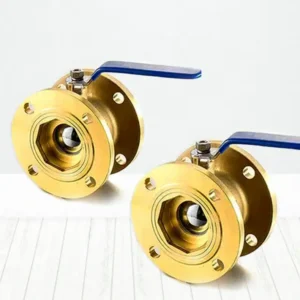
brass ball valve without threads cannot be connected directly to a galvanized pipe with threaded ends. First confirm the valve’s actual end form, then choose a transition component that matches both materials and the joining method. Do not alter the valve end on site or mix unsuitable welding, press, or adhesive methods. Confirm the transition piece, sealing material, and installation tools together before ordering.
Application Case
Zantech Sdn Bhd worked with CHCV to replace an old utility-water branch isolation valve at a small equipment-maintenance project in Johor Bahru. Public business information describes the company as providing pump repair, maintenance, and field services. The team first marked the galvanized pipe’s actual thread, the old valve’s face-to-face dimension, and the pipe supports, then decided whether a particular thread combination and a transition or isolating component were needed. The new valve was outside the product-contact path. The project focused on connection integrity, handle access, the corrosion boundary, and future removal space. If the medium, temperature, or hygiene requirement changes, the materials and connection plan must be reviewed again. CHCV helped establish the replacement record and review boundaries so the utility-water branch valve selection and installation could be traced.
What Should Be Recorded at Receiving and Pressure Testing?
At receiving, check the model, nominal size, thread, end orientation, seat and seals, dimensional drawing, and supplied documents. Inspect the threads, body, and handle for transport damage. After installation, carry out the inspection or pressure test required by the project using the specified medium and method. Record the valve position, connection components, sealing material, test result, and any leak location. Do not substitute a complete appearance check for connection verification, and do not apply another model’s pressure value without confirming the conditions.
Purchasing Boundary
The core of brass ball valve to galvanized pipe is not a universal answer for every site. It is a system check covering the valve, galvanized pipe, adapter, seal, support, and test. If the thread standard, dissimilar-metal combination, installation clearance, or medium condition is unconfirmed, do not order from nominal size and a product image alone. For an installation reference, see Brass Ball Valve Installation Steps and Checks. For broader product information, visit CHCV.